

 0
0


 File Attachment
Saado Ali Warsame
2. Saado Ali Warsame was born in Somalia in 1950. By the time she was a teenager, Ms. Warsame had become famous throughout Somalia for her singing and especially her songs about human rights and social justice. She stood up to tyranny, corruption, injustice and nepotism during Siad Barre’s military regime with songs and poetry. Her famous song "Land Cruiser,” which ridiculed the military junta for exchanging donations of corn for expensive cars, led to Ms. Warsame’s arrest and is largely credited for taking down the Barre regime. She was one of the few Somali female musicians to go on stage without covering her
head and she sometimes wore pants, which is unusual for women in Somalia.
3. In the early 1990s, when Somalia devolved into civil war, Ms. Warsame moved to
the United States. She lived in New York, where her son Harbi was born, and then moved to Minneapolis. She returned to her homeland of Somalia in 2012 to run for office, and was elected to the Somali Federal Parliament, representing northeastern Puntland.
4. Dahabshiil has for some time been closely associated with al-Shabaab, and it is a longtime financial supporter of the group and its terrorist activities. For example, according to a United Nations report, Dahabshiil financed "a large scale assassination operation” in Mogadishu by the Amniyat, al-Shabaab’s elite intelligence unit, which involved a "wave of assassinations of national intelligence officers and members of the Federal parliament.”1
5. One of Ms. Warsame’s better known songs was a protest against Dahabshiil and its support of al-Shabaab. The song, called "Dhiigshiil ha dhigan,” contains a play on words. The name of the defendant, "Dahabshiil,” means "gold smelter.” Ms. Warsame changed this to "Dhiigshiil,” which means "blood smelter.” The translation of the title is "Don’t Do Business With The Blood Smelter.” The lyrics she sang include these:
They call him "Blood Smelter” to manipulate the public
He has lot of money to make sure Mogadishu will never be at peace
He is the enemy of Somalia
Somalis, do not deposit your money to his banks
He is real tribalism; he is destroying our land
The money he is making from us will kill our children
Somalis, do not deposit your money to his banks
1 Report of the Monitoring Group on Somalia and Eritrea pursuant to Security Council resolution 2060 (2012): Somalia, available at: http://repository.un.org/bitstream/handle/11176/ 24077/S_2013_413-EN.pdf (last checked December 1, 2015).
The music video for this song includes images of Ms. Warsame singing.
It also includes images of protesters holding a sign that reads "Dhiigshiil Stop Genocide,” with a photograph of Ms. Warsame inset on the screen.
Ms. Warsame’s music video also includes a graphic showing the defendants’ name, "Dahabshiil,” dripping with blood, under an assault rifle, with the word "Dhiigshiil” (blood smelter) underneath.
6. In response to her song, "Don’t Do Business With The Blood Smelter,” Dahabshiil placed a multi-million dollar bounty on Ms. Warsame’s life.
7. On July 23, 2014, during the holy month of Ramadan, Ms. Warsame was murdered by two al-Shabaab operatives. She was being driven to her hotel in Mogadishu’s Hodan district when two gunmen pulled up to her car in a drive-by attack and opened fire. Ms. Warsame and her driver were both killed.
8. Abdulaziz Abu Musab, the spokesman for al-Shabaab’s military operations, claimed responsibility for the assassination of Ms. Warsame on behalf of al-Shabaab. Two al- Shabaab operatives – Shu’ayb Ibrahim Mahdi, 27 and Farah Ali Abdi, 30 – were convicted of killing Ms. Warsame by a Somali court. They were sentenced to death and executed in May 2015.
Shu’ayb Ibrahim Mahdi and Farah Ali Abdi, the al-Shabaab Operatives Who Killed Saado Ali Warsame
9. Ms. Warsame’s son, Harbi Hussein, is a citizen of the United States domiciled in
the State of Minnesota. He brings this lawsuit on behalf of himself and as a representative of the
estate of his mother Saado Ali Warsame, also a U.S. citizen. The murder of his mother by
international terrorists has caused him severe mental anguish, extreme emotional pain and
suffering, and the loss of his mother’s society, companionship, comfort, advice and counsel. He
alleges that Dahabshiil’s provision of material support to al-Shabaab, a designated Foreign
Terrorist Organization, constitutes an act of international terrorism in violation of 18 U.S.C.
§§ 2339A-2339C, for which he seeks treble damages under 18 U.S.C. § 2333(a).
Who is Karima Bennoune ?
Karima Bennoune is a professor of international law at the University of California–Davis School of Law. She grew up in Algeria and the United States and now lives in northern California.
The topic of Your Fatwa Does Not Apply Here is a very personal one for her. Mahfoud Bennoune, her father, was an outspoken professor at the University of Algiers who faced death threats during the 1990s, but continued speaking out against fundamentalism and terrorism. In writing this book, Karima set out to meet people who are today doing what her father did back then, to try to garner for them greater international support than Algerian democrats received during the 1990s.
She graduated from a joint program in law and Middle Eastern and North African studies at the University of Michigan, earning a J.D. cum laude from the law school and an M.A. from the Rackham Graduate School, as well as a Graduate Certificate in Women’s Studies.
In 1995, she served as a Center for Women’s Global Leadership delegate to the NGO Forum at the Fourth World Conference on Women in Beijing where she provided legal advice to the Tribunal for Global Accountability for Violations of Women’s Human Rights. From 1995 until 1999 she was based in London as a legal adviser at Amnesty International.
She came to UC Davis from Rutgers School of Law – Newark where she was Professor of Law and Arthur L. Dickson Scholar, and taught international law and human rights for ten years. In 2011, she was the recipient of the Chancellor’s Distinguished Research Award at Rutgers University–Newark. Professor Bennoune has also been a visiting scholar and visiting professor at the University of Michigan Law School where she won the L. Hart Wright Award for Excellence in teaching.
Her publications have appeared in many leading academic journals, including the American Journal of International Law, the Berkeley Journal of International Law, the Columbia Journal of Transnational Law, the European Journal of International Law, and the Michigan Journal of International Law. They have been widely cited, including on Slate, in the Nation magazine, the Dallas Morning News, and the Christian Science Monitor, as well as by the UN Special Rapporteur on violence against women and the UN Special Rapporteur on protecting human rights while countering terrorism. Her article, "Terror/Torture,” was designated one of the top 10 global security law review articles of 2008 by Oxford University Press.
Bennoune’s topical writing has been published by the New York Times, the San Francisco Chronicle, the Guardian Comment is Free, the website of Al Jazeera English, The Nation, Reuters, Open Democracy and the Huffington Post.
She has lectured around the world, including at the Harvard Law School, NYU School of Law, UC-Berkeley School of Law, the University of Chicago Law School, the University of Virginia School of Law, the Yale Law School, UCLA Law School, the Loyola University Marymount Center for Religion and Culture, the International Peace Institute, the International Humanitarian Law Dialogs, Aloud: Library Foundation of Los Angeles, the Southern Festival of Books, and the Texas Book Festival in the U.S., as well as for the UN Department of Political Affairs, the University of London, the London School of Economics, the University of Oslo, the Shia Ismaili Council for Edmonton and the Edmonton Council of Muslim Communities, the University of Alberta, the European Foundation for Democracy,the National Conference of Tunisian Intellectuals against Terrorism, the Fondation Chokri Belaid, the 19th Salon International du livre d’Alger, the El Khabar Forum, the Feminist Leadership Institute in Senegal, CODESRIA (The Council for the Development of Social Science Research in Africa), at TEDxExeter, the Sydney Writer’s Festival, the Australian National University and the Second Istanbul Conference on Democracy and Global Security.
In 2015, Bennoune taught in the summer program in international human rights law at Oxford University, organized jointly by Oxford’s Human Rights Program and the George Washington University School of Law.
She has been invited to lecture about Your Fatwa Does Not Apply Here in Algeria, Australia, Belgium, Egypt, France, Italy, Kenya, Poland, Tunisia, Turkey, Senegal, the United Arab Emirates and the United Kingdom, as well as around the United States by Muslims for Progressive Values, the Women’s Learning Partnership and the Levantine Cultural Center (The Markaz), the World Affairs Councils of Austin, Houston, Maine, New Hampshire and Sacramento, the University of Georgia, the University of Michigan and at the Commonwealth Club in San Francisco. Making frequent media appearances, Bennoune has been a guest on CNN’s Anderson Cooper 360, as well as on MSNBC, Fox Business News, National Public Radio, Pacifica Radio, Sirius Radio, the Australian Broadcasting Service, BBC Radio 4, CBC-Radio, HuffPost Live, and the MacNeil-Lehrer Newshour, and has been interviewed by U.S. News and World Report, the Christian Science Monitor, NBC.com, the International Herald Tribune, the Edmonton Journal, Deutsche Welle, and the Guardian..
In 2007, Professor Bennoune became the first Arab-American to win the Derrick Bell Award from the Association of American Law Schools Section on Minority Groups. She has served as a member of the Executive Council of the American Society of International Law and on the board of directors of Amnesty International USA. Currently, she sits on the Board of the Network of Women Living Under Muslim Laws and on the Scholar Advisory Board of Muslims for Progressive Values.
Karima Bennoune has also been a consultant on human rights issues for the International Council on Human Rights Policy, the Soros Foundation, the Coalition to Stop the Use of Child Soldiers, and for the United Nations Educational, Scientific and Cultural Organization (UNESCO). Her human rights field missions have included Afghanistan, Bangladesh, Bosnia, Fiji, Lebanon, Pakistan, South Korea, southern Thailand, and Tunisia. In 2009-2010 she was one of a group of international experts assembled by Leiden University, under the auspices of the Dutch Foreign Ministry, to develop a new set of policy recommendations on counter-terrorism and international law. In October 2011, she volunteered as an election observer during the Tunisian constituent assembly elections with Gender Concerns International. In 2015, she served as an expert at the African regional summit on countering violent extremism, held in Nairobi.
In 2014, Your Fatwa Does Not Apply Here won the Dayton Literary Peace Prize for non-fiction. It was also selected as the best social science book of 2013 by the American Library Association’s Booklist. The first TED talk based on the book—"When People of Muslim Heritage Confront Fundamentalism”—has garnered over 1.3 million views.
MOGADISHU — Concerns are growing among Somali intellectuals, civil society organizations, retired military officers, and democracy advocates that Somalia is entering a dangerous period of political instability marked by increasing militarization and shrinking space for democratic participation. The concerns come amid escalating confrontations in Mogadishu and reports of civilian casualties, displacement, and destruction resulting from recent clashes between government forces and opposition-aligned groups. Full Article
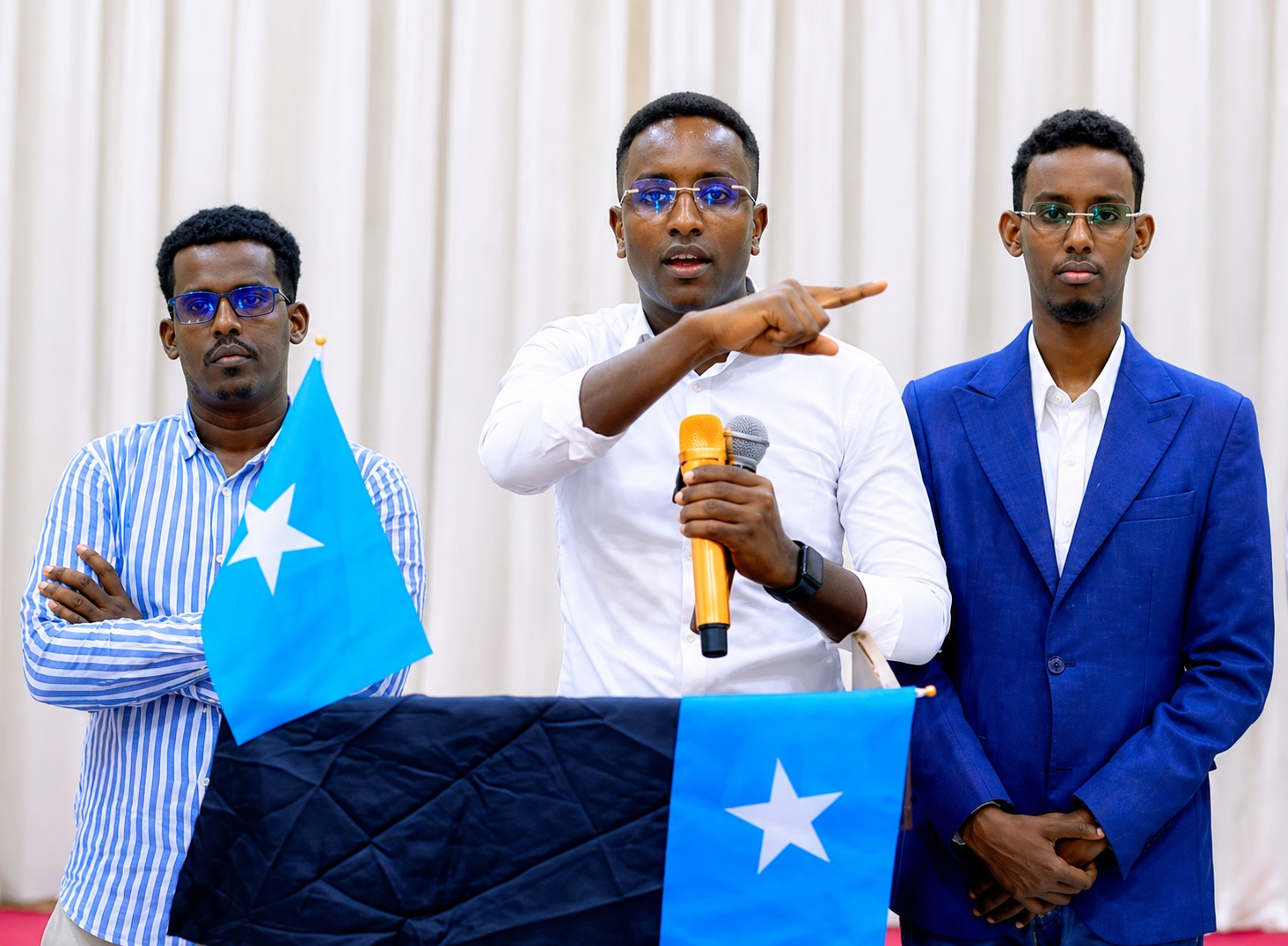
MOGADISHU, Somalia – As Somalia approaches planned demonstrations on June 4, concerns continue to grow over the state of human rights, freedom of expression, and civic space in the country. Full Article
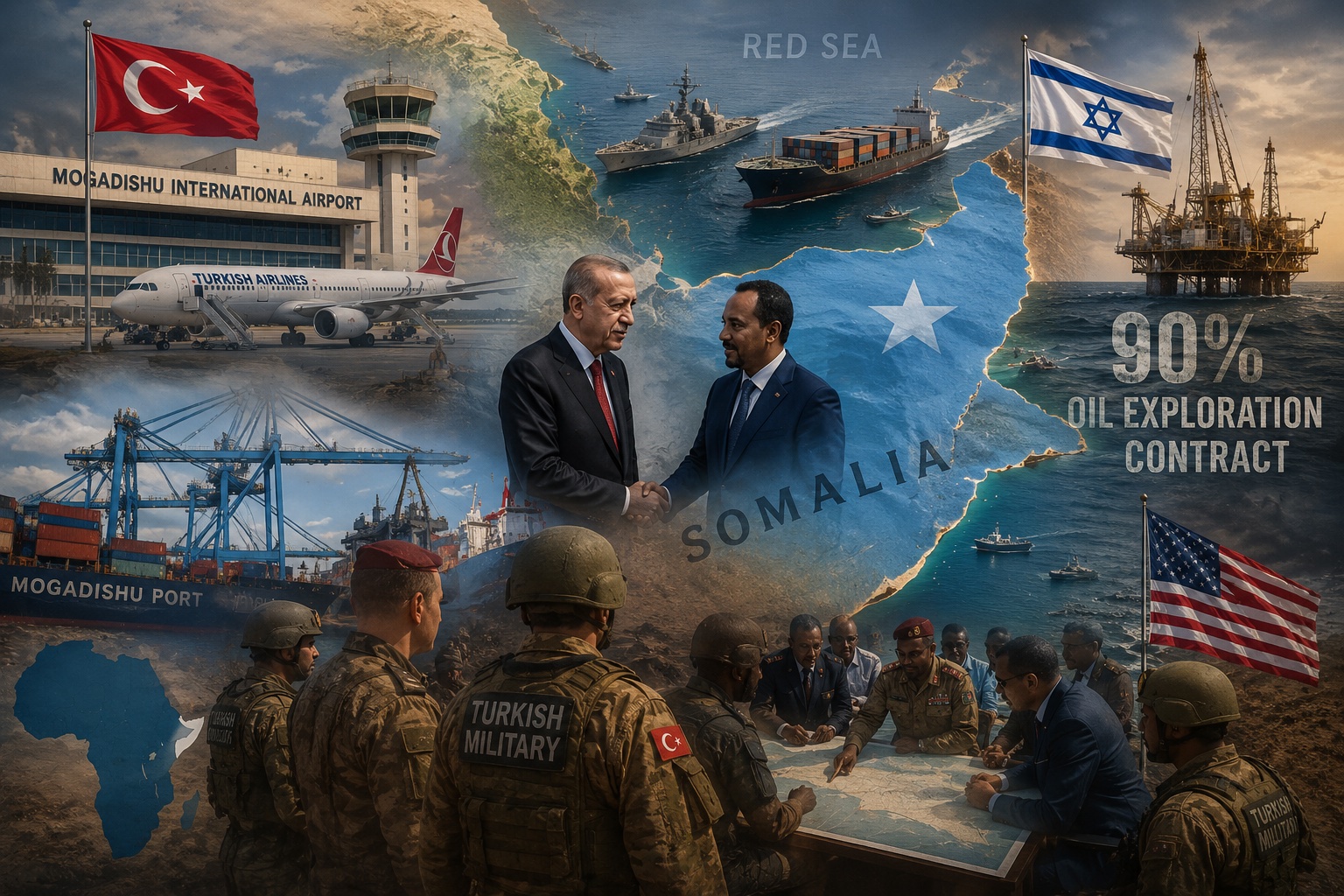
MOGADISHU, Somalia — Turkey's growing political, military, and economic influence in Somalia is increasingly drawing attention across the Horn of Africa and Red Sea region as geopolitical competition intensifies between regional and international powers. Full Article
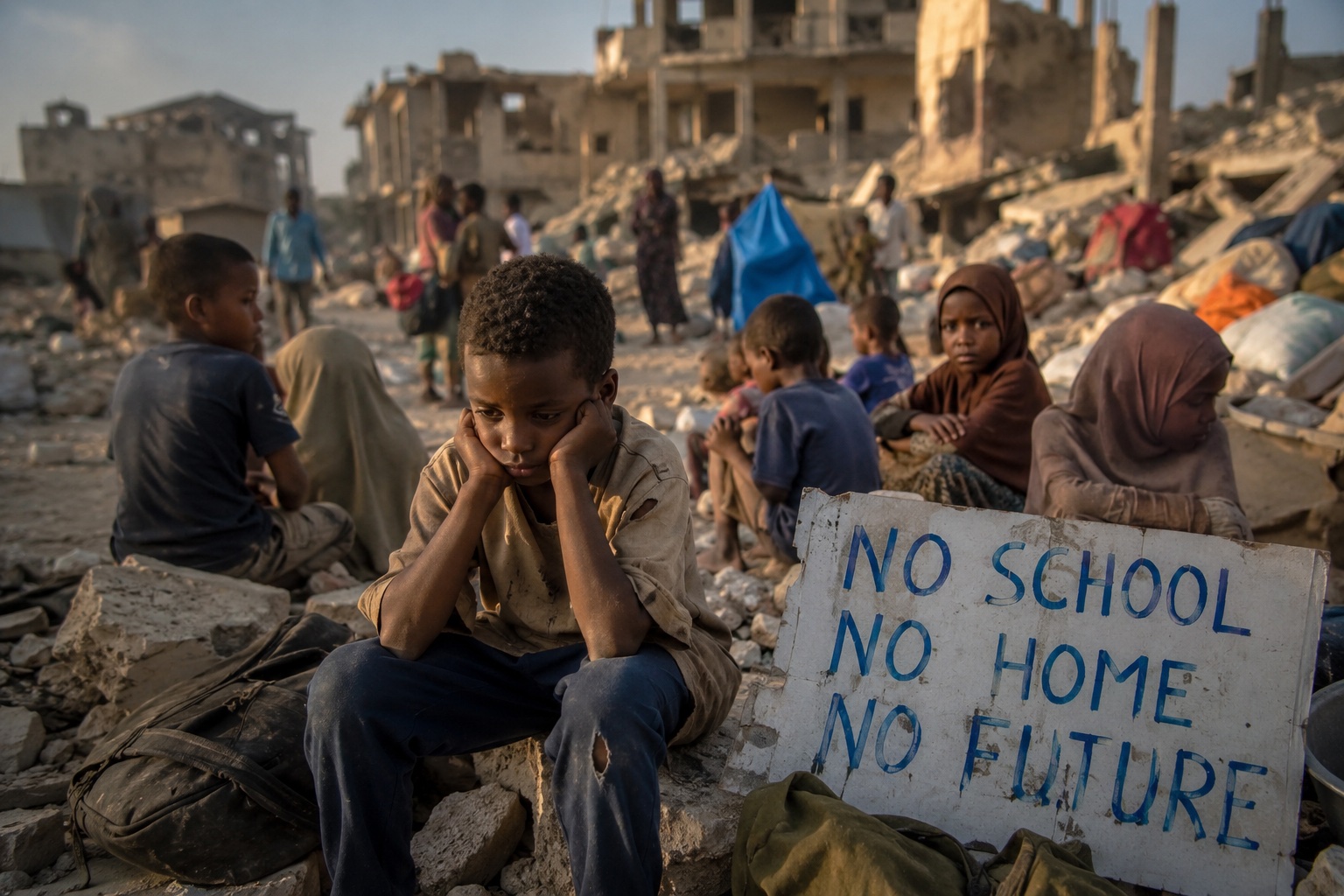
Somalia is facing a deepening humanitarian and political crisis following widespread forced evictions, deadly security operations, and escalating tensions between the federal government and opposition groups. Full Article
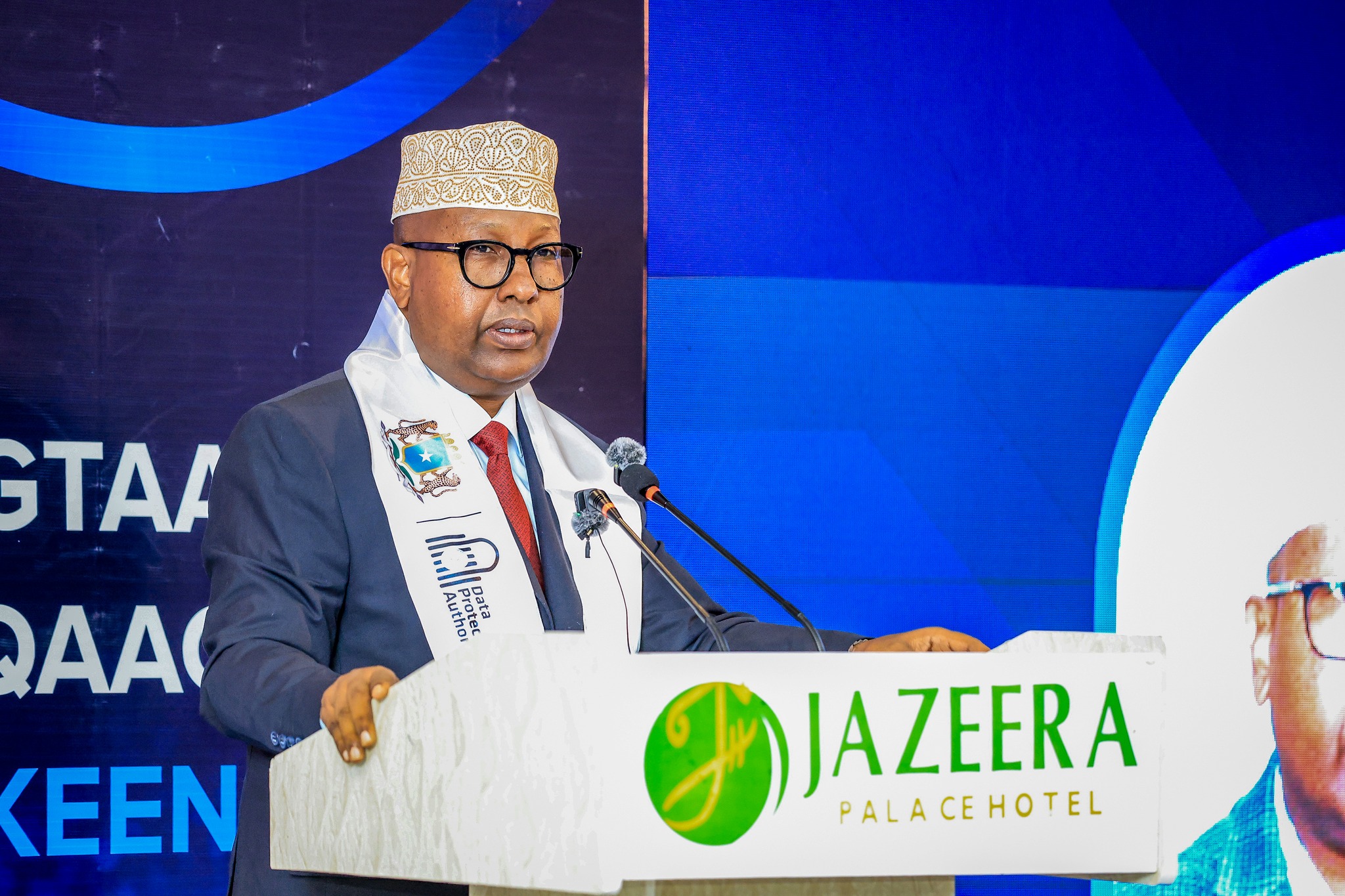
MOGADISHU, Somalia — Somalia's Defense Minister Ahmed Moalim Fiqi has sparked outrage after issuing strong threats against opposition leaders planning anti-government demonstrations in Mogadishu, warning that security forces would respond forcefully to any protests challenging the federal government. Full Article
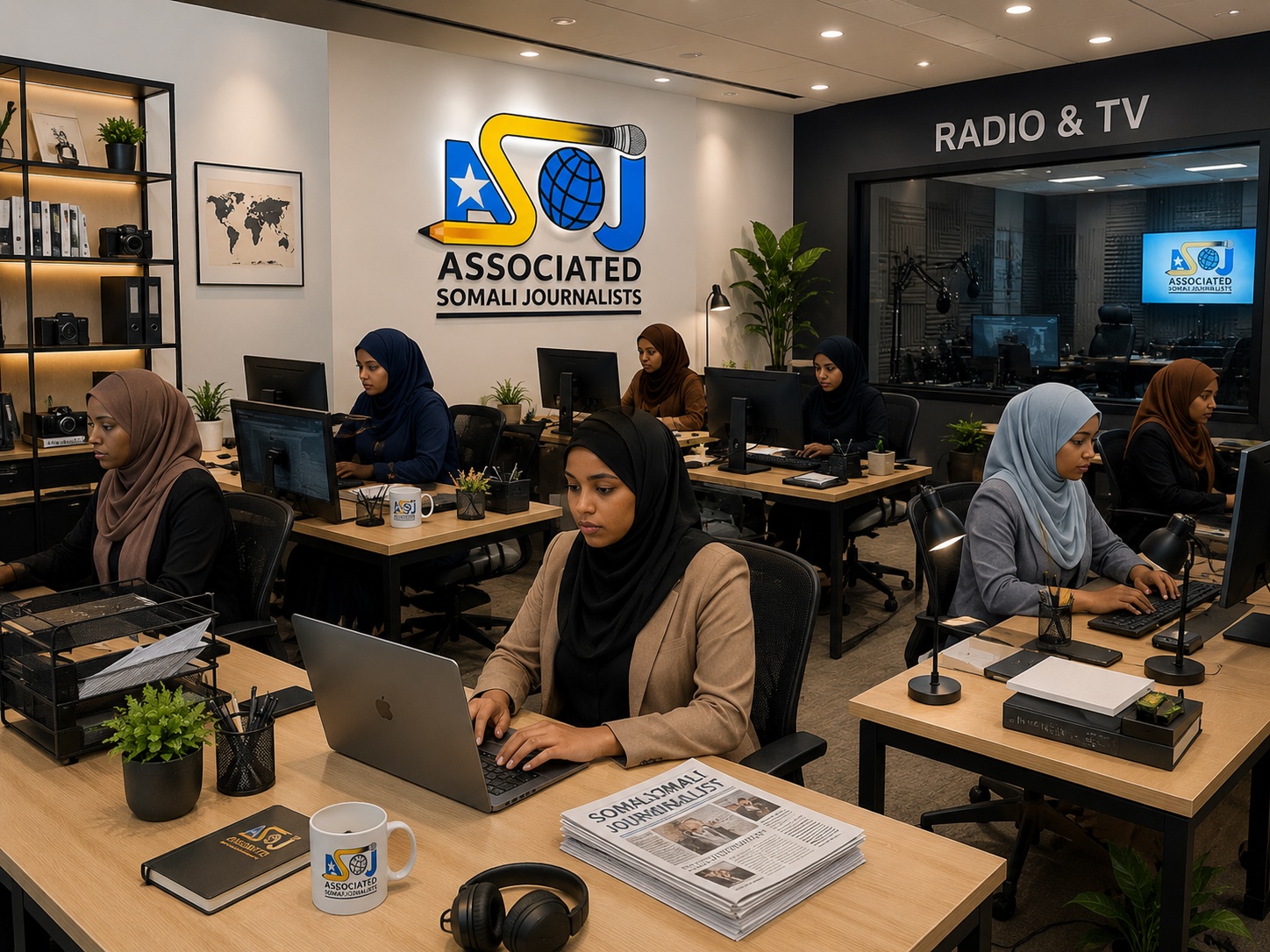
The Associated Somali Journalists (ASOJ) has expressed concern over what it describes as growing pressure, intimidation, and suppression targeting independent media and freedom of expression in Somalia. Full Article
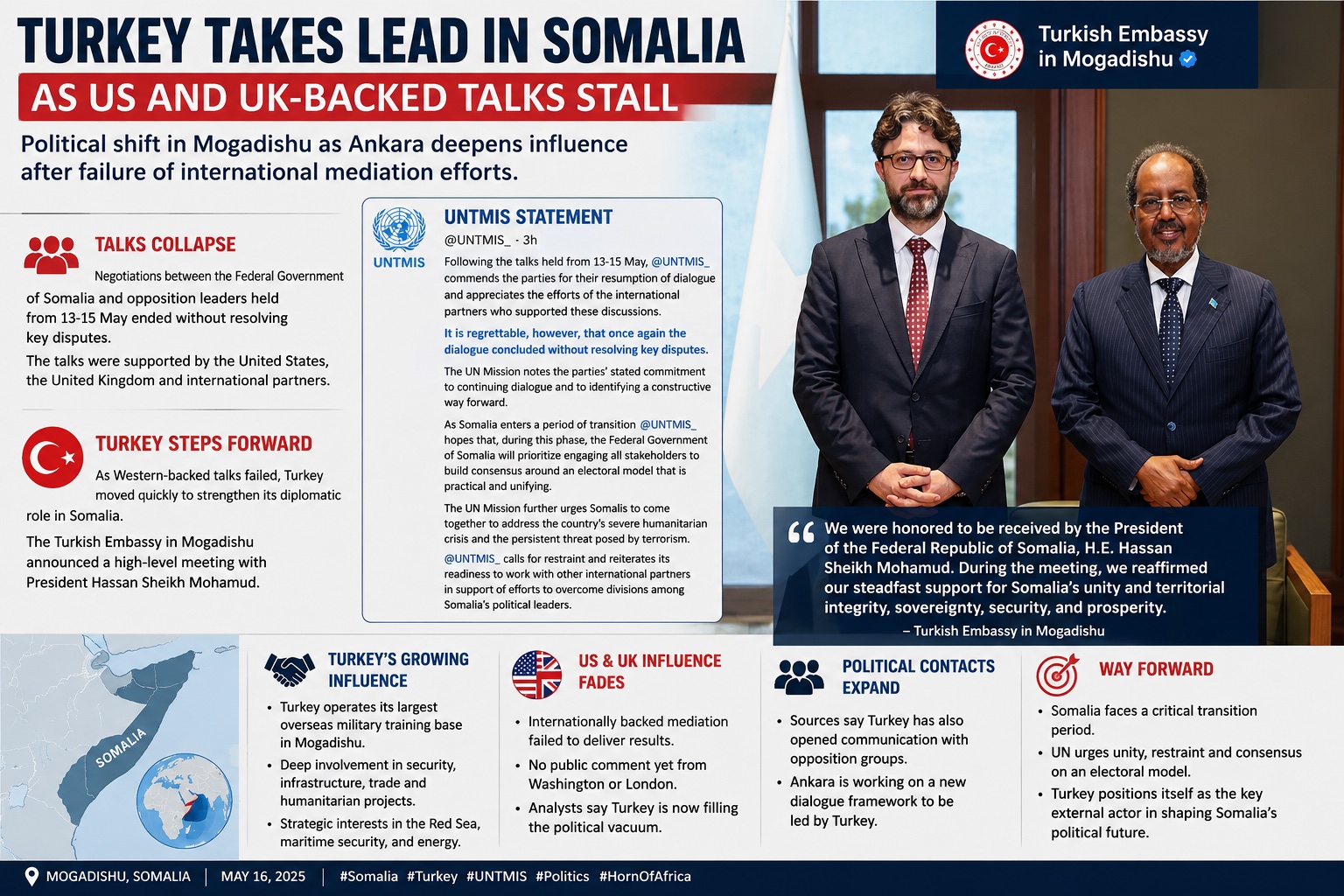
MOGADISHU, SOMALIA — Turkey is increasingly emerging as the dominant foreign diplomatic force in Somalia following the failure of political talks previously supported by the United States, the United Kingdom, and international partners, highlighting a major shift in influence inside Somalia's political landscape. Full Article

By Dahir Alasow | Waagacusub.net — Opinion / Analysis Mogadishu — The Federal Government of Somalia's decision to annul all cooperation agreements with the United Arab Emirates (UAE)—including security and defence-related arrangements—represents one of the most consequential foreign-policy turns Somalia has taken in years. Full Article
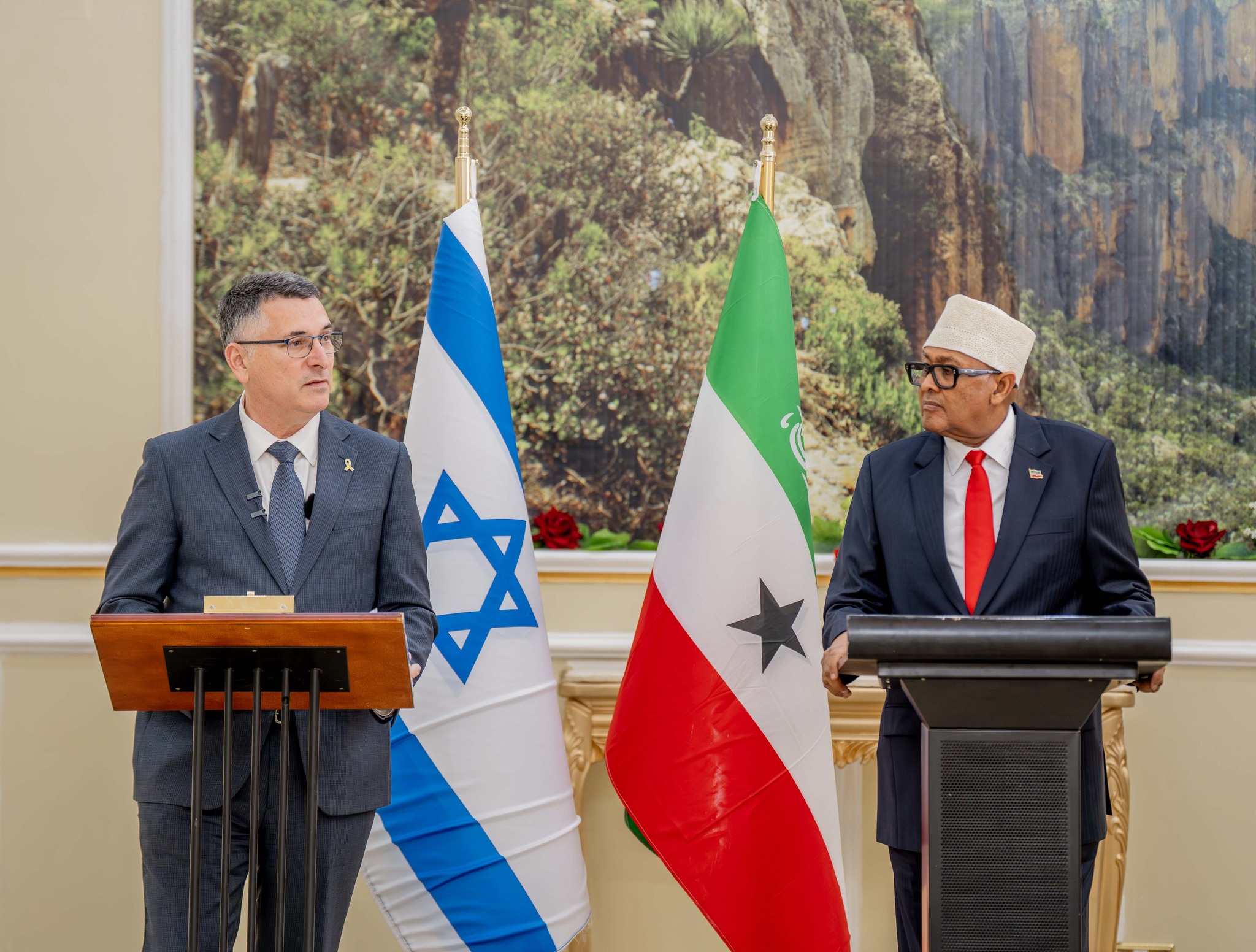
The Federal Republic of Somalia has issued a strong diplomatic condemnation following an unauthorized visit by Israel's Minister of Foreign Affairs to Hargeisa, declaring the move a grave violation of Somalia's sovereignty, territorial integrity, and political unity. Full Article
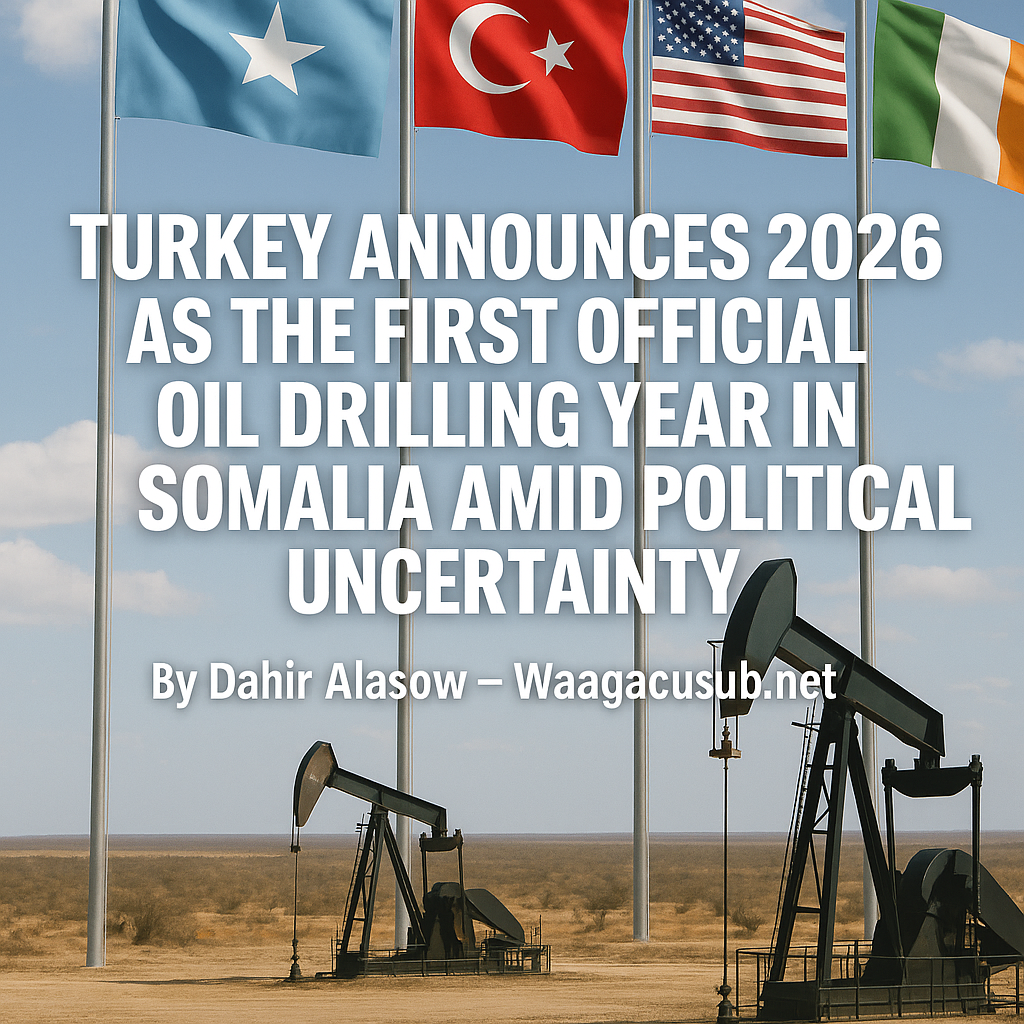
Waagacusub.net - Turkey has openly indicated that 2026 could become the historic year in which Somalia officially begins oil drilling and exploitation of its natural resources—a move that, if implemented, could fundamentally reshape the country's economic future. Full Article
MOGADISHU — Concerns are growing among Somali intellectuals, civil society organizations, retired military officers, and democracy advocates that Somalia is entering a dangerous period of political instability marked by increasing militarization and shrinking space for democratic participation. The concerns come amid escalating confrontations in Mogadishu and reports of civilian casualties, displacement, and destruction resulting from recent clashes between government forces and opposition-aligned groups.
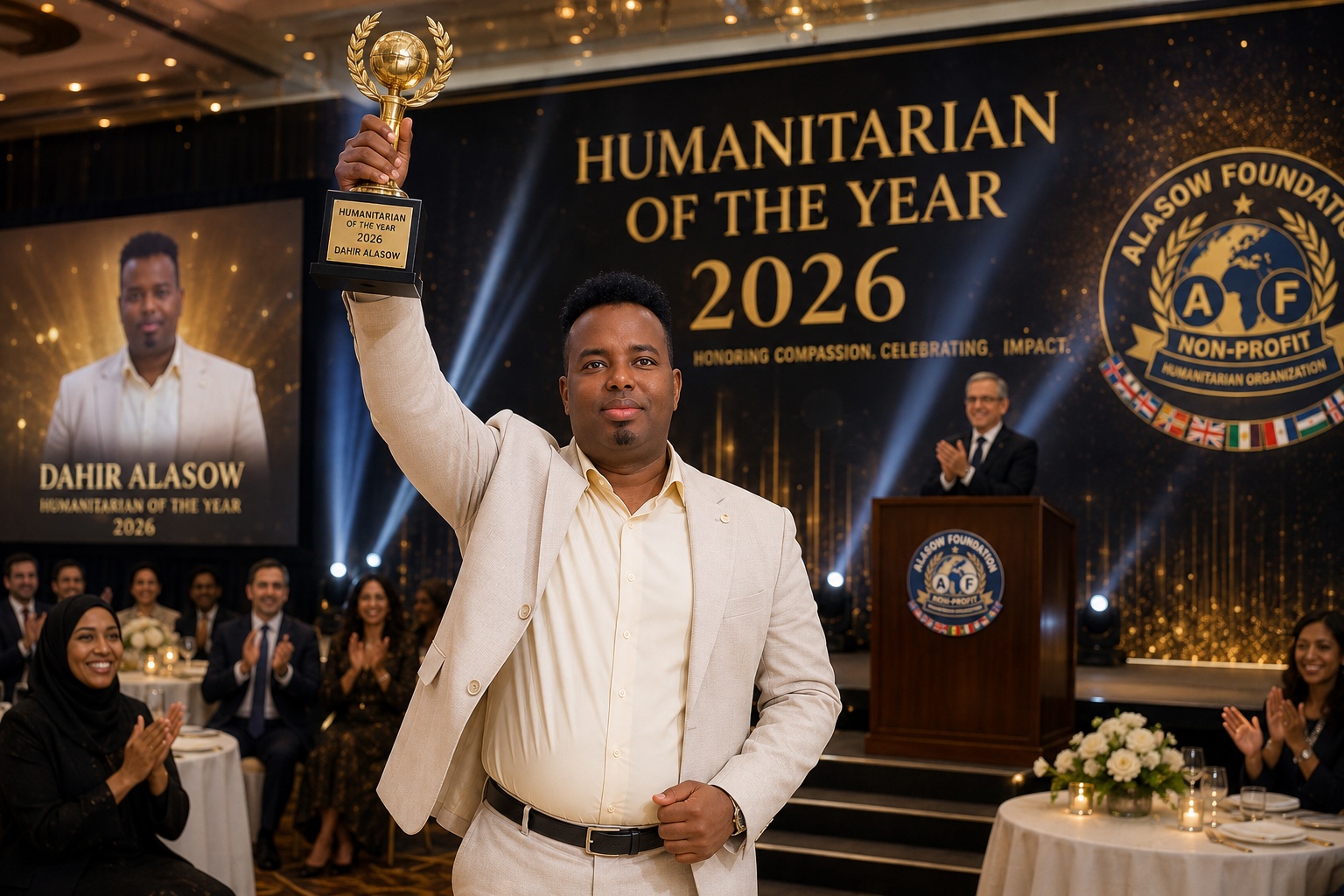
Prominent Somali investigative journalist and philanthropist Dahir Abdulle Alasow has been honored with the prestigious Humanitarian of the Year 2026 Award, recognizing his growing humanitarian impact through the international charity organization Alasow Foundation.
Somalia is facing a deepening humanitarian and political crisis following widespread forced evictions, deadly security operations, and escalating tensions between the federal government and opposition groups.
The Federal Republic of Somalia has issued a strong diplomatic condemnation following an unauthorized visit by Israel's Minister of Foreign Affairs to Hargeisa, declaring the move a grave violation of Somalia's sovereignty, territorial integrity, and political unity.

Washington – U.S. President Donald Trump has announced the immediate cancellation of deportation protections for Somali nationals living in the state of Minnesota, sending shockwaves through one of the largest Somali diaspora communities in the world. In a strongly worded post shared online, President Trump stated: "Somali gangs are terrorizing the people of that great State, and BILLIONS of Dollars are missing. Send them back to where they came from. It's OVER!" The message has triggered widespread fear among Somali immigrants and families in Minnesota, many of whom have lived in the United States for decades and built stable communities.




MOGADISHU — Concerns are growing among Somali intellectuals, civil society organizations, retired military officers, and democracy advocates that Somalia is entering a dangerous period of political instability marked by increasing militarization and shrinking space for democratic participation. The concerns come amid escalating confrontations in Mogadishu and reports of civilian casualties, displacement, and destruction resulting from recent clashes between government forces and opposition-aligned groups. Full Article
MOGADISHU, Somalia – As Somalia approaches planned demonstrations on June 4, concerns continue to grow over the state of human rights, freedom of expression, and civic space in the country. Full Article
Prominent Somali investigative journalist and philanthropist Dahir Abdulle Alasow has been honored with the prestigious Humanitarian of the Year 2026 Award, recognizing his growing humanitarian impact through the international charity organization Alasow Foundation. Full Article
MOGADISHU, Somalia — Turkey's growing political, military, and economic influence in Somalia is increasingly drawing attention across the Horn of Africa and Red Sea region as geopolitical competition intensifies between regional and international powers. Full Article
Somalia is facing a deepening humanitarian and political crisis following widespread forced evictions, deadly security operations, and escalating tensions between the federal government and opposition groups. Full Article

Hormuud's Assault on African Peacekeepers Figure 14: African Peace Keepers Hormuud launched a scorching public campaign against the Kenyan military forces in AMISOM in late August 2019. Full Article
Former Intel official stripped from NISA membership Full Article
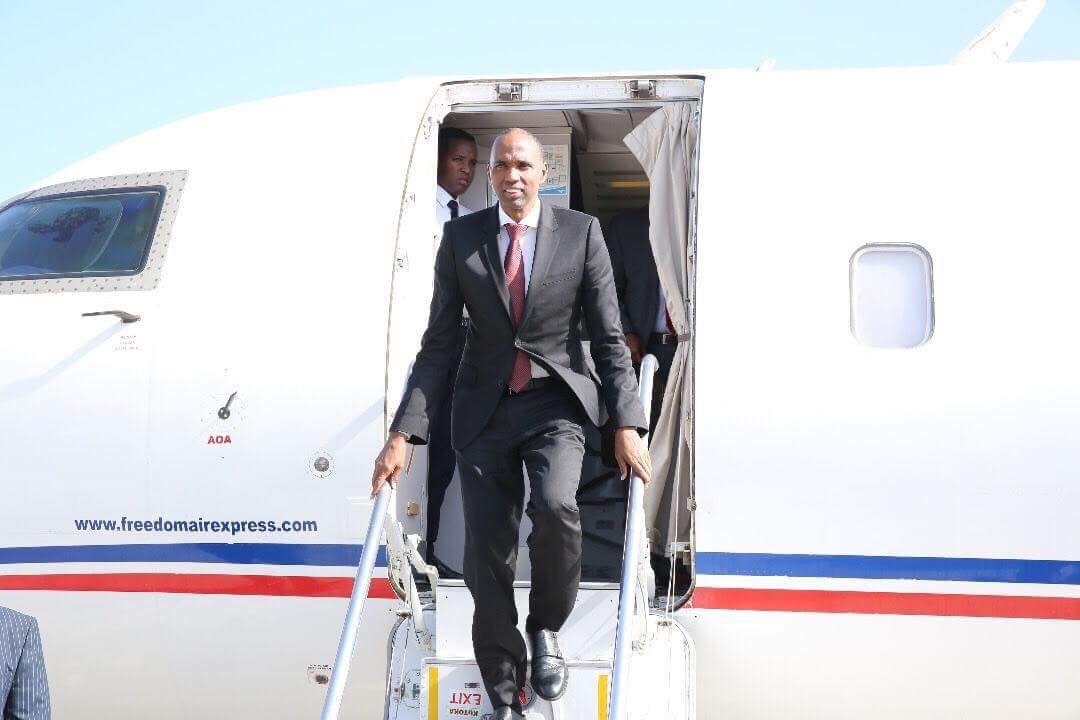
PM KHEYRE USELESS AND COSTY OVERSEAS TRIPS. Full Article
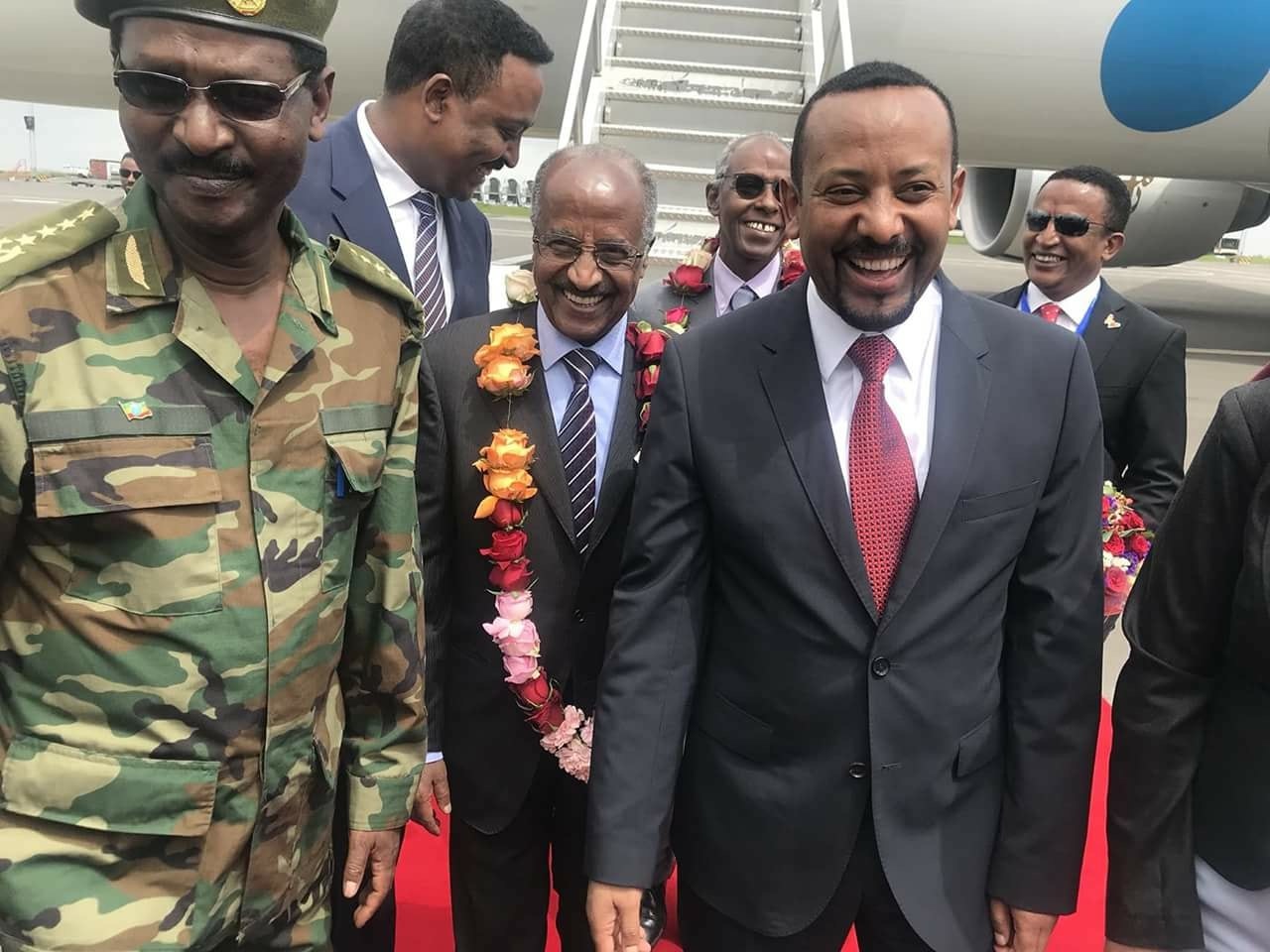
Abiy says 'New Year' will be celebrated in Eritrea, Ethiopian Airlines to resume flights Full Article
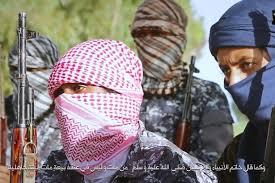
Massive rise in Islamist militant attacks in Africa Full Article

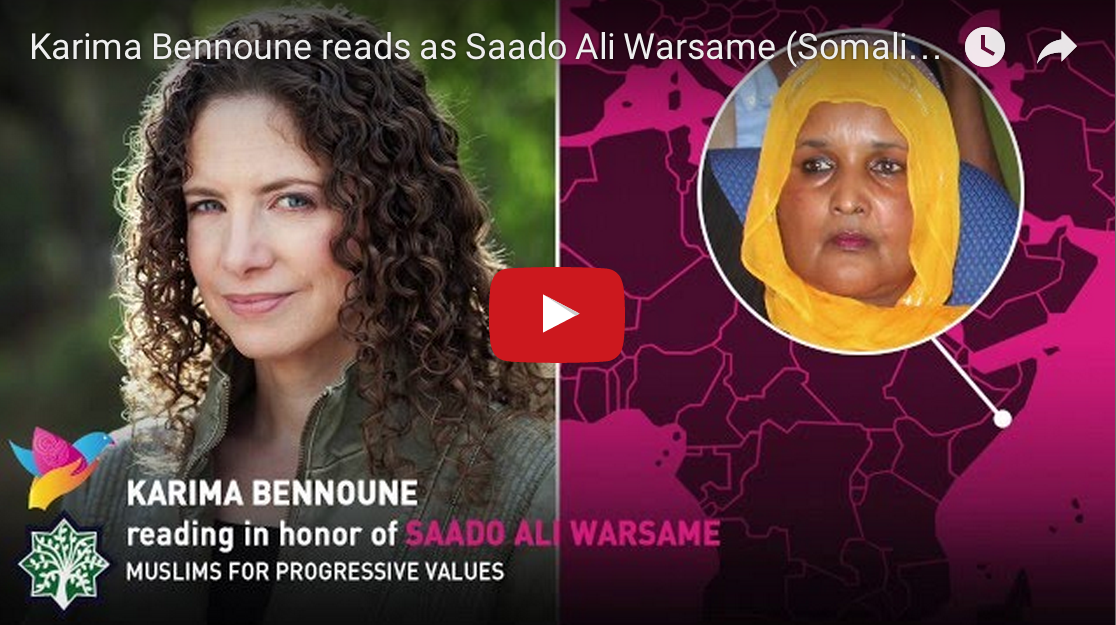
Video:Who Is Sado Ali from Somalia ? her Song Dhiigshiil ha dhigan
Saado Ali Warsame - a Somalian parliamentarian and singer of socially relevant songs who was gunned down by Al Shabaab in 2014. Karima Bennoune reads as Saado Ali Warsame (Somalia) RIP Karima Bennoune is a professor of international law at the Univ