

 0
0



The flag of Somalia a light blue field with a central white star, represents the five regions, Djibouti Somalia, South Somalia, North Somalia, the Somali region in Ethiopia and the Somali region in Kenya, in the Horn of Africa. The very vast majority, Somalis, desire a united Somalia – one Somalia but the Somali political opportunists and many countries including the neighbouring countries do not favor a united Somalia.
Somalia has an area of 637,657 square kilometers with a population estimate of more than 11,000,000 (as there has been no census in Somalia for a long time due to the instability of the country). Somali has a long coastline of more than 3,300 kilometers, adjacent to one of the world’s busiest shipping lanes. There are also two main rivers, the Shebelle and the Juba.
Somalia was also known as the Land of Punt, ‘the land of gods’, famous for frankincense, myrrh and etc. in the time of the Egyptian pharaohs. The Chinese traded directly with the Somalis in the tenth century. The Portuguese were the first European explorers to visit Somalia.
Somalia has warm weather year round, generally considered as consisting both of two rainy seasons – Gu, or spring/long rain from April – to June and Deyr, or autumn/short rain from October to December and also two dry seasons – Jiilaal, or winter from January to March and Xagaa (Hagaa) or summer from July to September. This is the norm but there are frequent long periods of drought that result in extended seasons of food insecurity.
Somalia has significant natural resources. There are rich oil deposits, fish in the Shebelle and Juba rivers and seafood in the Somalia’s territorial waters of the Red Sea and the Indian Ocean. In addition, fertile farming and grazing land promote agriculture. It is important to note that many Somalis are nomadic people, pastoralists, who keep camels, sheep, cattle, goats, etc., and move from place to place to find water and grass for their animals.
Somalis are more than 99.9 per cent Sunni Muslims of a Sufi tradition. There is a very small low-profile Somali Christian community – most of them in the Diaspora and a few followers of other religions can still be identified.
Somalia has one language and one culture. The Somali language is a beautiful language with a rich literature and is spoken in Somalia, the Diaspora and the Somali regions of Kenya, Ethiopia, and Djibouti. The Somali language is a member of the Cushitic branch of the Afro-Asiatic language family. Somalia is also known as ‘Nation of poets’. The Somali language (Latin alphabet) was officially written in 1972 and the Somali language became the official language of Somalia. The Somali literature, history, culture and traditional rules were passed down through generations by oral tradition. Traditionally, Somalis are a kind and generous people.
Currently "Hawala” money transfers, are a lifeline for many people in Somalia. Interestingly, Somalia receives more cash from the Diaspora than from the humanitarian aid.
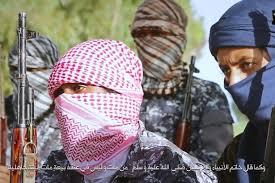
Unfortunately, Somalia is currently in a dire situation of near universal human suffering at the hands of Somali political opportunists, the Al-Qaeda linked group Al-Shabab. These insurgent militias (clan militias), under the control of corrupt traditional leaders, prolong civil-war, famine, lawlessness, and clan warfare.
In addition, international interventions, including a foreign military intervention in Somalia composed of The African Union Mission (AMISOM) including neighbouring countries of Ethiopia and Kenya, under the banner of peacekeepers seem to focus more on a desire to usurp the financial support donated to Somalia and pledged by the world community, mainly from the West.
Acts of piracy by internal and external actors render the whole Somalia environment hazardous. The pirates, international knaves, force many countries, including the powerful nations to send their warships to the Somalia’s territorial waters to combat and prevent piracy. These powerful nations then compete for military bases inside Somalia’s territorial waters, adjacent the rich oil deposits.
Many international companies are dumping their toxic waste and illegally fishing in Somalia’s territorial waters. Barrels and large containers of toxic waste washed up Somalia’s shores after the devastating Tsunami in 2004 hit many countries bordering the Indian Ocean.
Deforestation is ongoing in Somalia. Trees are cut and controlled burning makes charcoal for cooking needs.
Al-shabab composed of insurgent militias (clan militias) is a violent branch of the Union of Islamic Courts (UIC) which seized control of many parts of the south and central of Somalia from the clan warlords in the south of Somalia, including the capital, Mogadishu in 2006. Sharif Sheikh Ahmed was one of the leaders of the Union of Islamic Courts before he was elected as a president for the Transitional Federal Government (TFG) by a parliament of 500 seats, the Transitional Federal Government (TFG) and the opposition Alliance for the Re-libration of Somalia (ARS) – 200 seats of the parliament members from (ARS) in 2009 in Djibouti. The Union of Islamic Courts (UIC) opposed the Transitional Federal Government (TFG) – clan based government – so called ‘formula 4.5’ – the clans – Hawiye, Dir, Darod, Rahanweyn and others – a new Somali politicians and the main warlords led by President Abdullahi Yusuf Transitional Federal Government (TFG) which was formed in Kenya in 2004 and at the time of the Transitional Federal Government (TFG) based in Baidoa.
Ethiopia troops, an old enemy of Somalia, invaded many parts of the south and central of Somalia after the Union of Islamic Courts (UIC) made jihad threat against Ethiopia. There were two major wars (1964 war and 1977 – 1978 war) between Somali and Ethiopia. In 1977, the whole Somali region in Ethiopia was captured by the Somali forces, but in 1978, the Somali forces were defeated by the Soviet Union and Cuban forces.
Many Al-shabab Islamist militants, including commanders, were killed in U.S. air strikes in Somalia. The United States withdrew all U.S. troops from Somalia in 1993 and the remaining United Nations troops left Somalia in 1995 after the humanitarian operations "Operation Restore Hope” failed to restore food security in the drought induced famine that began in 1992 and was accompanied by civil war. As a result Al-shabab imposed its own strict version of Islamic law in Somalia resulting in assassinations, brutal killings of innocent people, and suicide bombings. They continue to stone people to death and impose punitive amputation while prohibiting smoking, music, singing and other peaceful activities. They also force the women to cover their body from head to toe. Traditionally, the very vast majority, 99 per cent of the Somali women, never dressed from head to toe in black. These actions against the people have shocked the traditional Somali culture values.
In search of freedom and liberation, many Somalis fled to safety from the war-torn country of Somalia crossing over the oceans and national borders of the world, particularly to the west and the oil-rich Gulf Arab region. Many Somalis perished in the seas or while crossing national borders. As a result of this Diaspora, Somalis living in Somalia, view those who now reside in North America and Europe as people living in paradise.
It must be acknowledged that Somali news agencies do not allow most Somalis or international audiences access to accurate reporting or insightful and reliable coverage of political, economic, social, or security related events. In fact these news agencies often misinform and mislead the passive powerless audiences, or sensationalize what is happening both in Somalia and the Somali Diaspora. It seems that news agencies often glorify the rebellious Somalis and other thugs while labeling typical Somalis as bad people. This throws the interests of Somalia and the Somali Diasporas into disarray.
Many Somali politicians and corrupt traditional leaders as well as the current administrations of the neighbouring nations benefit from the dire situation in Somali. Their aim is to get attention and money from the Western world and other world financiers. Somali political opportunists and corrupt traditional leaders are wreaking havoc and chaos, resulting in civil war.
For the past twenty years or so, the Somali politicians and corrupt traditional leaders have not shown any real interest in a creating a Somalia nation because of their selfishness and power-grabbing mentality. Their real fear is ceding power to a contending clan, which will have the sole controlling power over the Somali people. Here any chance of sharing the power of the clan-based government goes flying out the window. This theory may ring true when we think of what has been happening in the country for the last five decades or so. Somalis have tolerated a one clan domination system in their country.
A summary of the past events of Somalia – a lesson for the future, Somalis relied on a careless selfish political system of the military regime (1969 – 1991) led by President Mohammed Siyad Barre who took power in coup in 1969 after President Abdirashid Ali Sharmarke was assassinated akin to the previous corrupt governments. President Mohammed Siad Barre was overthrown in the popular uprising in south Somalia. Civil war broke out in 1991 in Somalia and the country was destroyed. Somalia gained independence from Britain – north Somalia and Italy – south Somalia in 1960 and Aden Abdulle Osman, nicknamed ‘Aden Adde’, also best known as the Somalia’s first president was chosen as a president for the newly independent Somalia Republic and Mogadishu became the capital of Somalia – Mogadishu is the largest city in Somalia and also known as Xamar (Hamar). Somalia’s first election in 1961, Aden Abdulle Osman was elected as a president for the Republic of Somalia for six years. Aden Abdulle Osman lost the presidential election in 1967 in Somalia and peacefully relinquished power to his opponent Abdirashid Ali Sharmarke.
The scramble for Africa – Berlin Conference of 1884 – 1885 – the partition (dividing) of Africa – Africa was colonized and divided among European powers and drawn up most borders that exist in Africa today – Colonial borders of European powers in Africa after the British Parliament abolished slavery in all British territories in 1833. Slave trade in the 17th – 19th centuries, slave trade – slavery was the ownership, buying and selling of human beings as slave – more than four hundred years millions of people from Africa were brought to the Americas as slave by against their will and many were taken to the Middle East and North Africa. At the Berlin Conference, the free state of Congo (today the Democratic republic Congo) was created for the Belgium king of Leopold II (1865 – 1909) as his own private state (1876 – 1908). European colonialism 1840 – 1960, Somalia was divided into five regions – Italian Somaliland, British Somaliland, French Somaliland, Somali region in Kenya and Somali region in Ethiopia. In 1869, Suez Canal was opened – the shortest link between the east and the west – the Indian Ocean through the red sea and Suez Canal to the Mediterranean sea – in the Somalia’s territorial waters of the Red Sea and the Indian Ocean – important international shipping lanes – canal linking the Mediterranean Sea at Port Said and the red sea at Suez – the ships no longer needed to travel around southern Africa. In 1875, Egypt occupied some towns on the Somali coast and some inland towns.
In 1899, Mohammed Abdulle Hassan (the Sayyid), nicknamed ‘Mad Mullah’ by the British fought against the colonial occupation, British and Ethiopia (1899 – 1920). During the Second World War (1939 –1945), the British Somaliland – north Somalia was captured in 1940 by Italians but after one year the British recaptured the north and occupied south Somalia in 1941 and colonized the south Somalia until 1949. Britain gave the west Somalia (the Somali region in the Ethiopia – Ogaden) to Ethiopia in 1948. The United Nations is founded in 1945. Italian trusteeship – Italy was granted to govern Somalia 1950 – 1960 period of trusteeship by the United Nations. In 1956, Somalia was granted to govern itself internally – internal autonomy 1956 – early of 1960 in Somalia. The Somali youth league (SYL) was founded in 1943 and took part in the Somalia’s struggle for the independence.
In 2000, Abdikassim Salat Hassan was elected president of Somalia (2000 – 2004) by clan-based leaders in Arta, Djibouti at the Somali national peace conference. Unfortunately, many powerful warlords in Mogadishu, Somaliland (north Somalia) and Puntland (northeastern Somalia) refused to take part in this peace conference. Previously, at another conference in Djibouti, Ali Mahdi was chosen as an interim president in 1991 but the Abgaal clan, under Ali Mahdi in the north of Mogadishu – and Habargidir clan, under General Mohamed Farah Aidid in the south of Mogadishu – a two sub-clans of Hawiye clan fighting broke out in Mogadishu. In 2012, Hassan Sheikh Mohamud was elected as president of Somalia who beat Sharif Sheikh Ahmed by the Somali parliament members (clan based parliament) – the first presidential election happened in Somalia since the election in 1967.
Currently, the Somali parliament members (clan based parliament) are selected by corrupt traditional leaders. The clan elders and the president are elected by these parliament members. The president appoints the prime minister who is approved by the parliament and the prime minister appoints his/her cabinet, the ministers in the cabinet, and the government institutions that are then approved by the parliament.
Somali political opportunists and corrupt traditional leaders seek to divide Somalis into separate groups. They often create conflicts and clan friction, that has until now resulted in the loss of up to one million lives of innocent people. These Somali politicians and corrupt traditional leaders claim they are protecting their people; however, they have their own hidden agenda to protect and promote their personal aggrandizements such as power, money and fame at the expense of their own people and country. Clearly, these Somali politicians and corrupt traditional leaders do not care about the Somali people and the country. The confusion, hypocrisy, violence, chaos, greediness and lack of vision of Somali politicians and corrupt traditional leaders in conjunction with international interventions including the neighboring countries has discouraged and blocked the many valuable, honest, understanding, reasonable people from getting involved in Somali politics.
Similarly, the current administrations of the neighbouring nations, divide Somalis into separate groups which create more chaos and confusion. They claim they are helping Somalia to become a stable country however they have their own hidden agenda: to protect and promote their own interests. In short they do not want to see peace in Somali and they do not care about Somalis and the country.
In conclusion, Somalis make Somalia; they must take care of themselves and their country. The international community must understand that they should treat Somalis the same way as they would like to be treated. Somalis, including the Diaspora and the Somali regions of Ethiopia, Kenya and Djibouti can make Somalia a great nation. Peace and prosperity to Somalia.
Yusuf Hussein Hassan revised his article "Give Suffering Somalis Peace of Mind” first appeared in SANKOFA NEWS in winter 2001, Windsor, ON. Canada.
Yusuf Hussein Hassan majored in sociology (four year program) with a minor in communication studies at the university of Windsor, Canada and Graduate certificate in African studies at Ohio University, USA.
Yusuf Hussein Hassan
Windsor, ON. Canada
E-contact: [email protected]
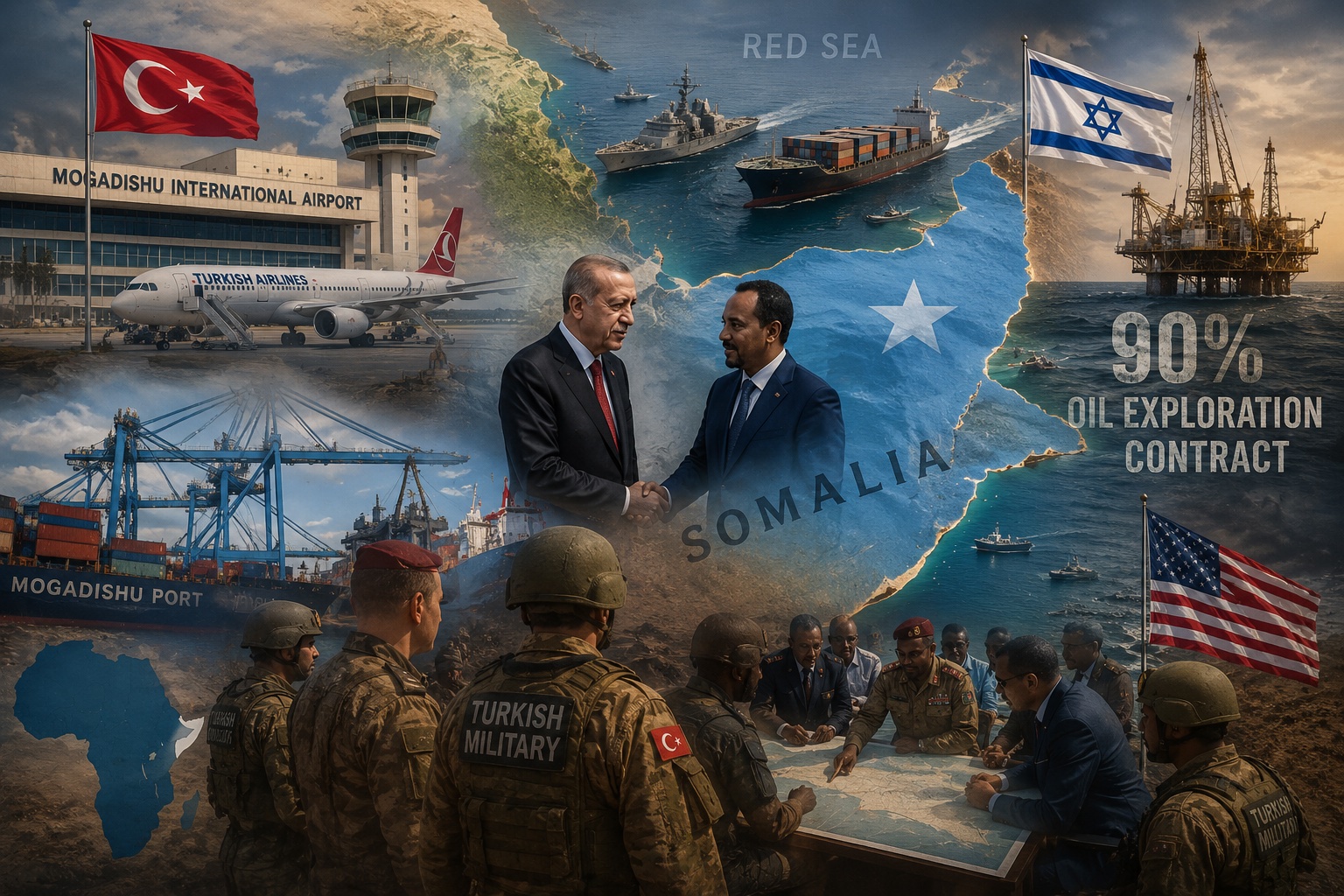
MOGADISHU, Somalia — Turkey's growing political, military, and economic influence in Somalia is increasingly drawing attention across the Horn of Africa and Red Sea region as geopolitical competition intensifies between regional and international powers. Full Article
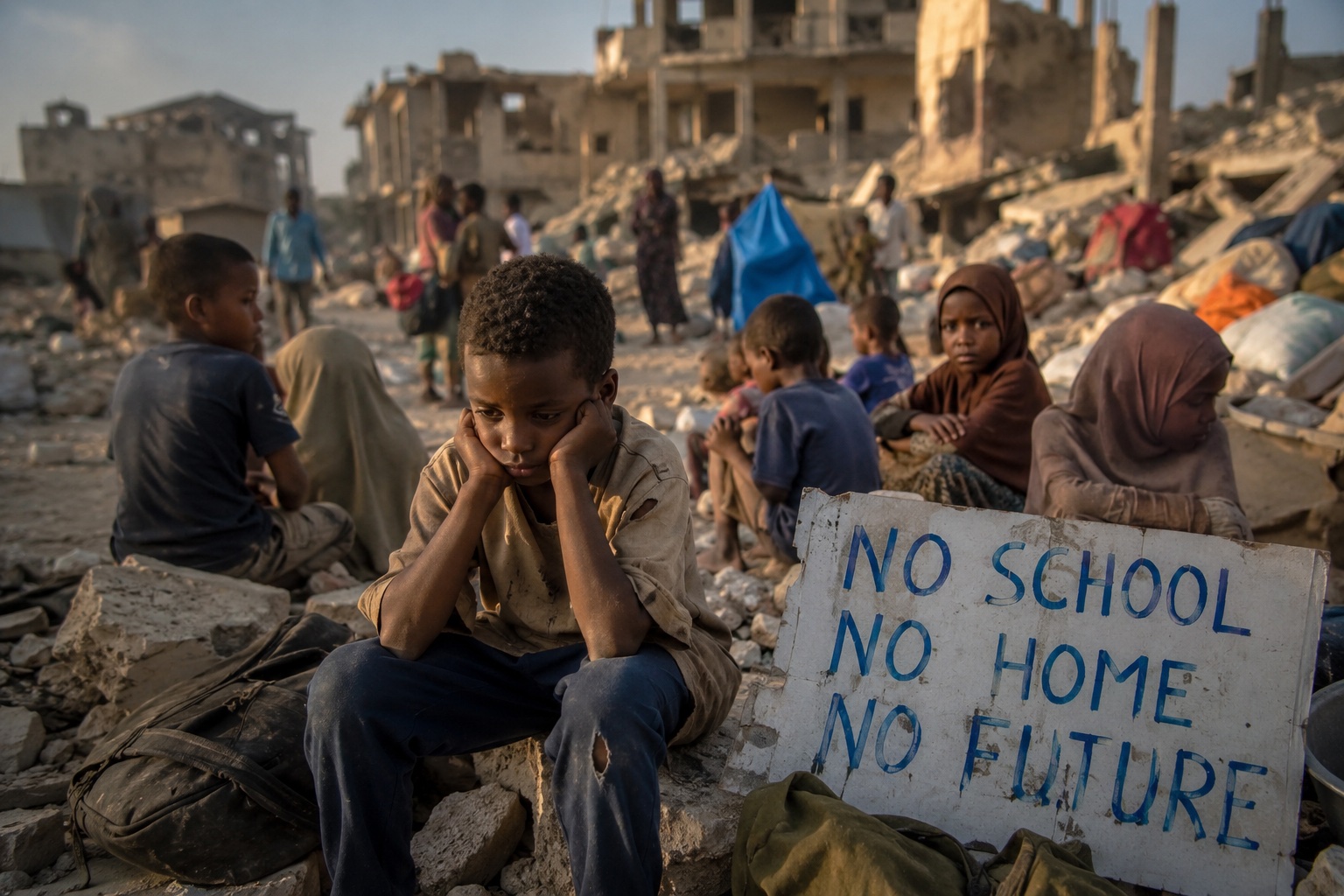
Somalia is facing a deepening humanitarian and political crisis following widespread forced evictions, deadly security operations, and escalating tensions between the federal government and opposition groups. Full Article
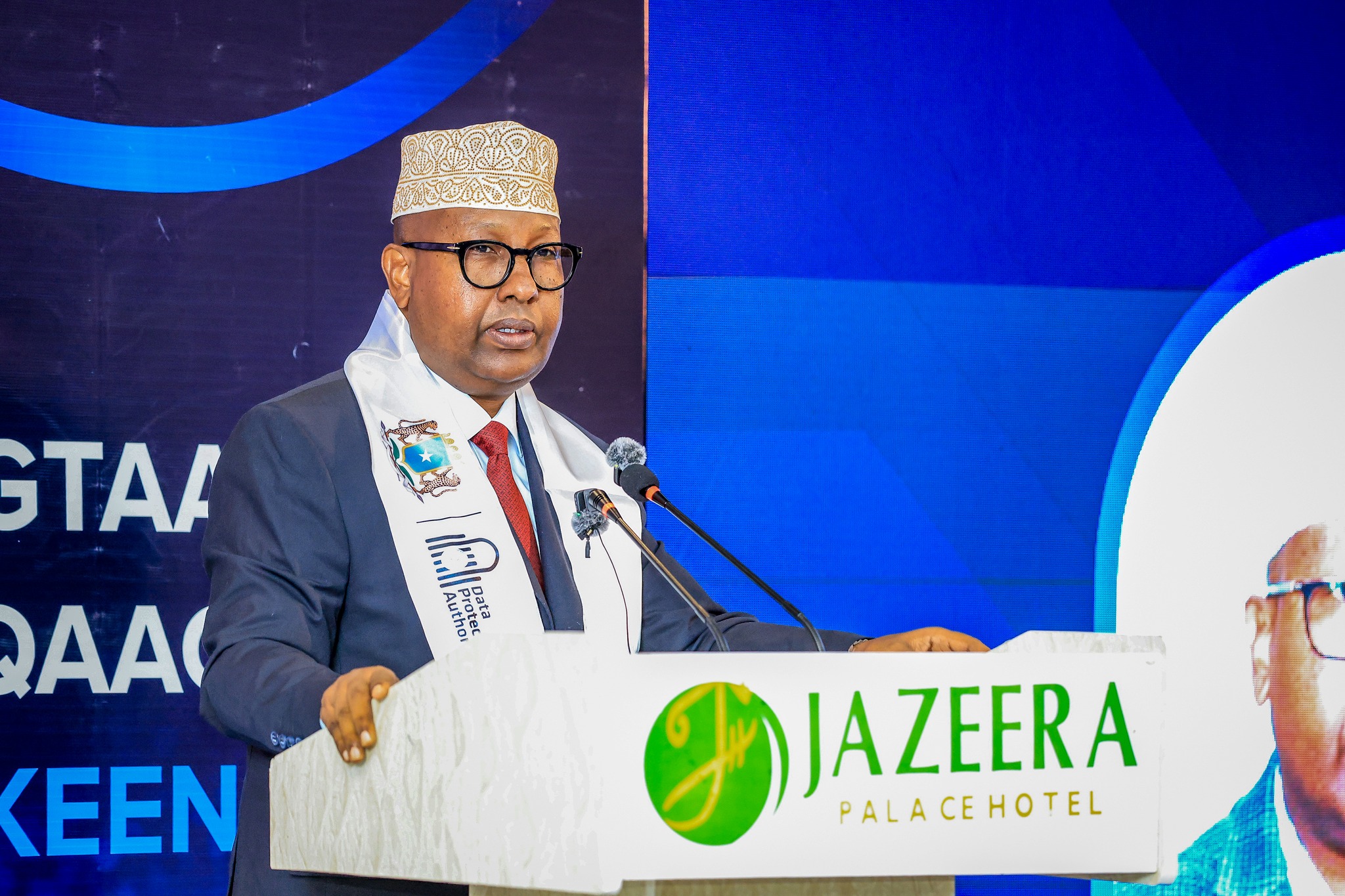
MOGADISHU, Somalia — Somalia's Defense Minister Ahmed Moalim Fiqi has sparked outrage after issuing strong threats against opposition leaders planning anti-government demonstrations in Mogadishu, warning that security forces would respond forcefully to any protests challenging the federal government. Full Article
The Associated Somali Journalists (ASOJ) has expressed concern over what it describes as growing pressure, intimidation, and suppression targeting independent media and freedom of expression in Somalia. Full Article
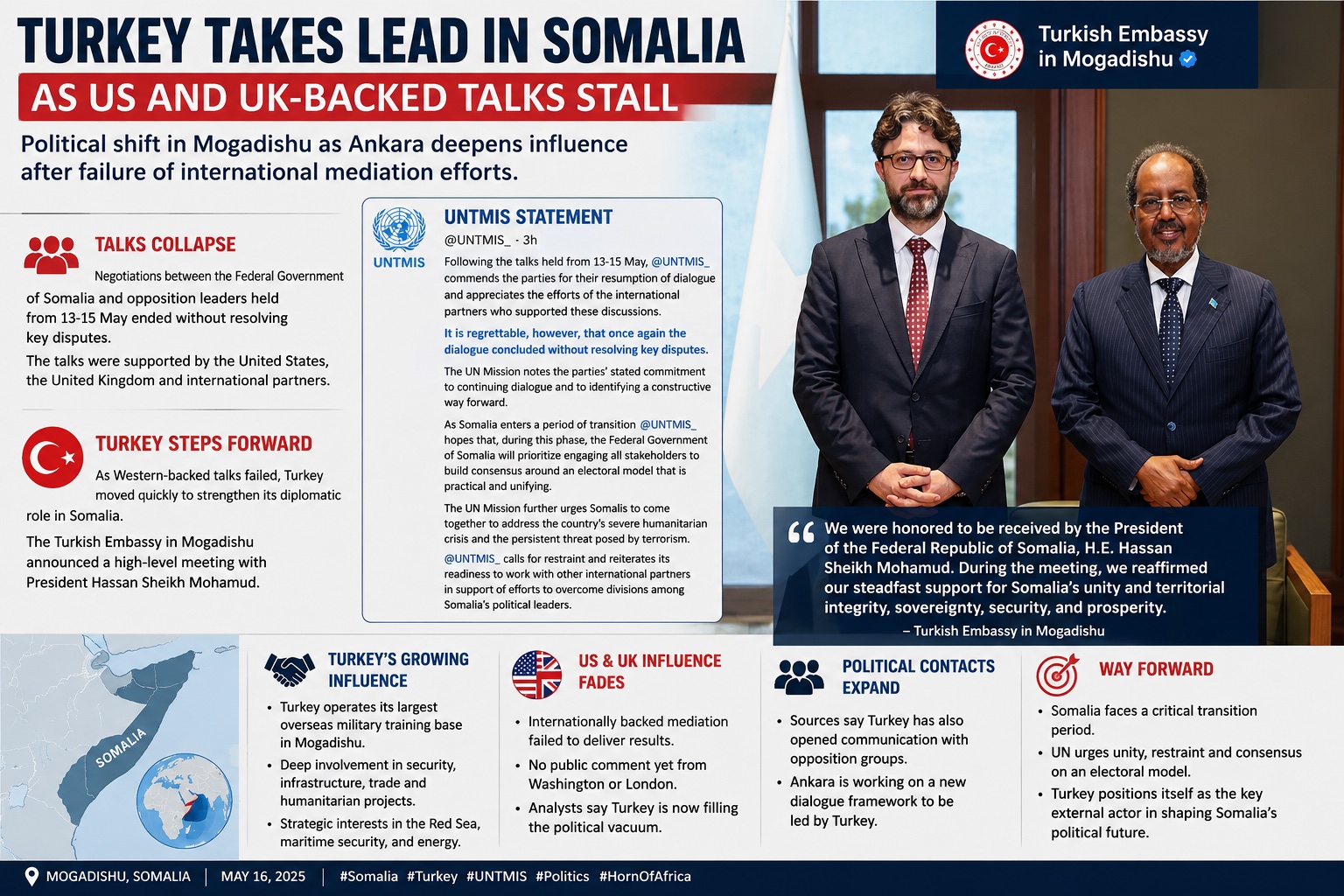
MOGADISHU, SOMALIA — Turkey is increasingly emerging as the dominant foreign diplomatic force in Somalia following the failure of political talks previously supported by the United States, the United Kingdom, and international partners, highlighting a major shift in influence inside Somalia's political landscape. Full Article
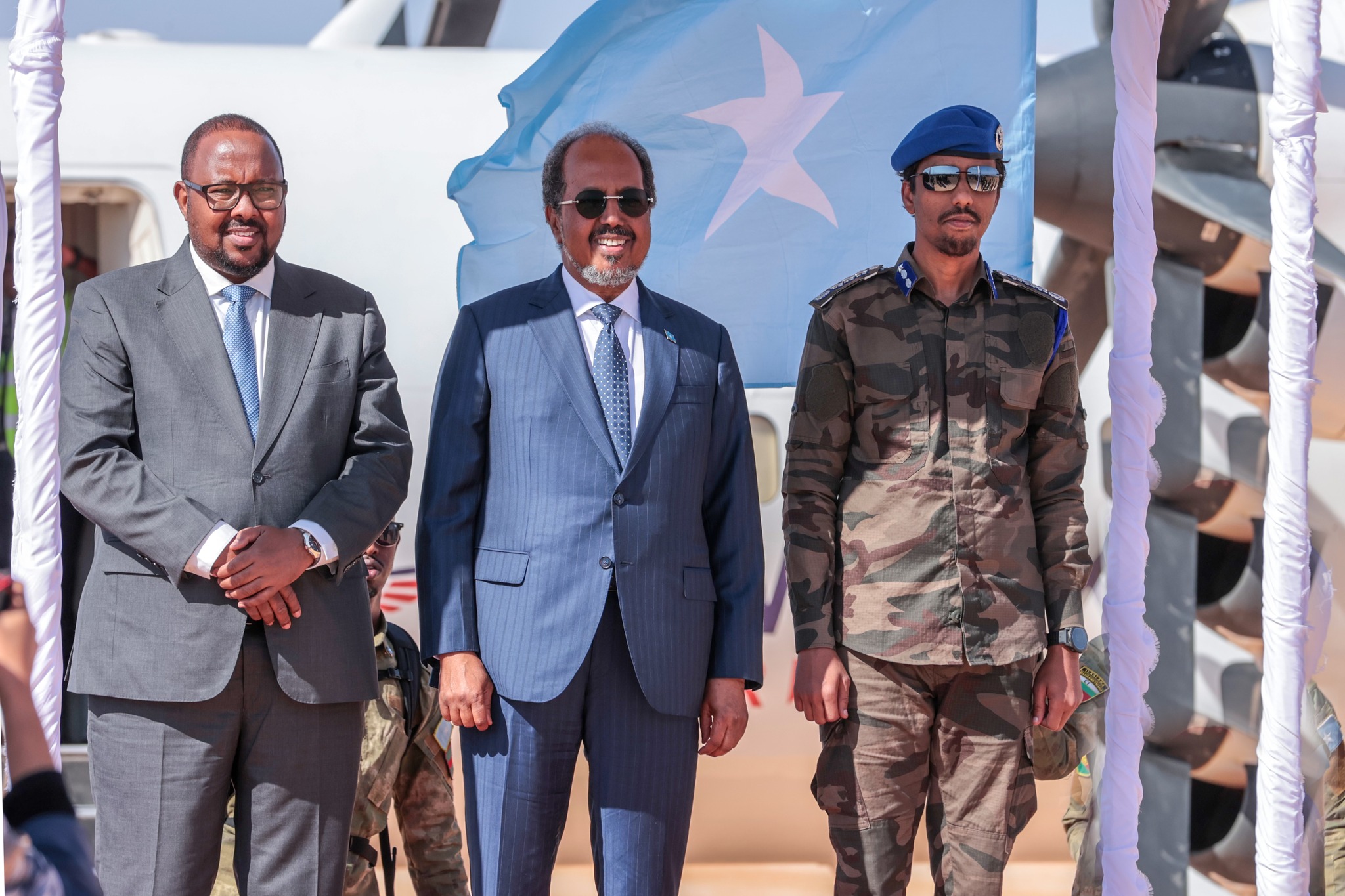
LAS ANOD, Somalia/Somaliland contested area — Somali Police Force Commander General Asad Diyaano has emerged as a nationally respected security figure, praised for professional leadership, discipline, and measurable reforms within the Somali Police Force, while also maintaining close operational coordination with President Hassan Sheikh Mohamud amid heightened security challenges. Full Article
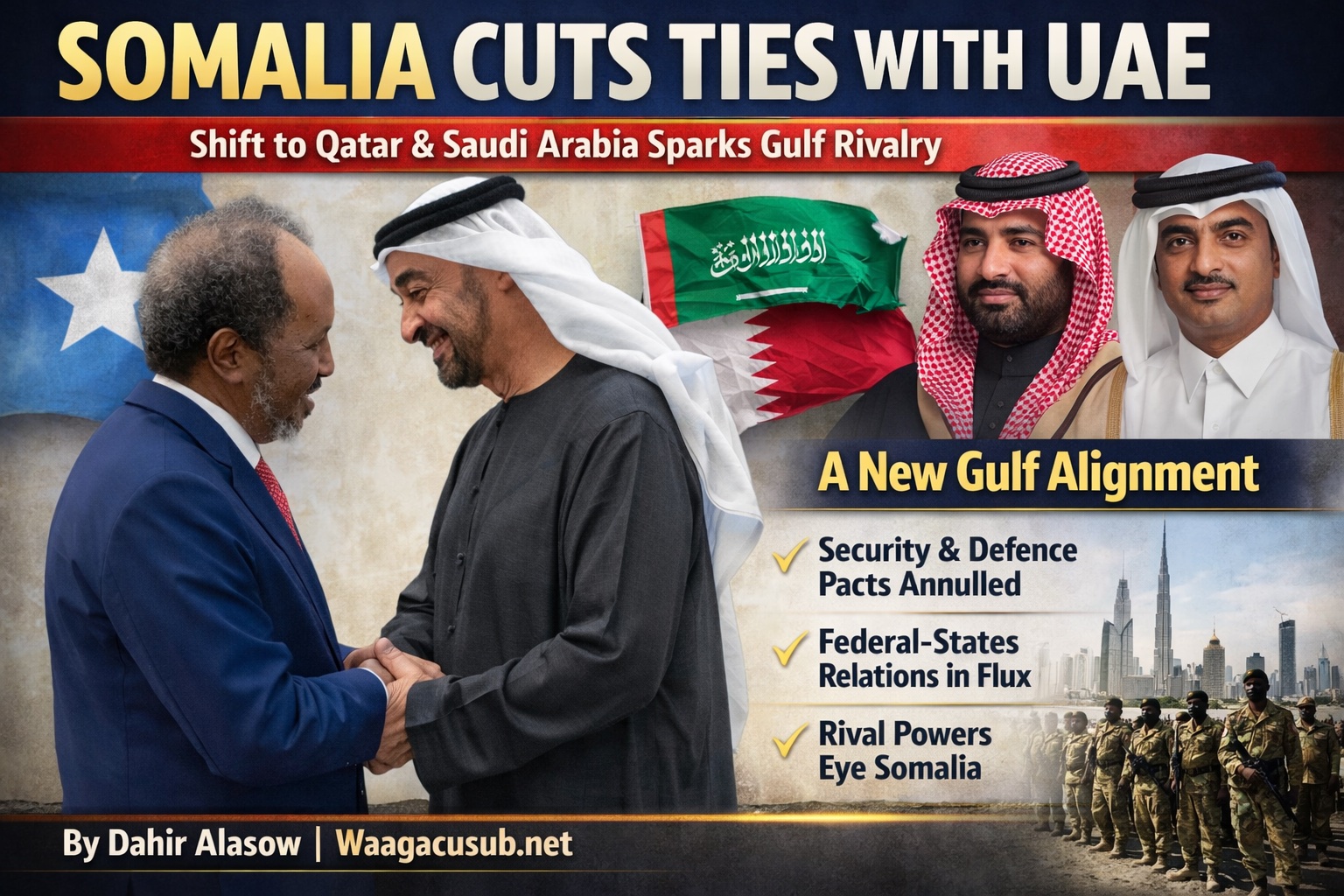
By Dahir Alasow | Waagacusub.net — Opinion / Analysis Mogadishu — The Federal Government of Somalia's decision to annul all cooperation agreements with the United Arab Emirates (UAE)—including security and defence-related arrangements—represents one of the most consequential foreign-policy turns Somalia has taken in years. Full Article
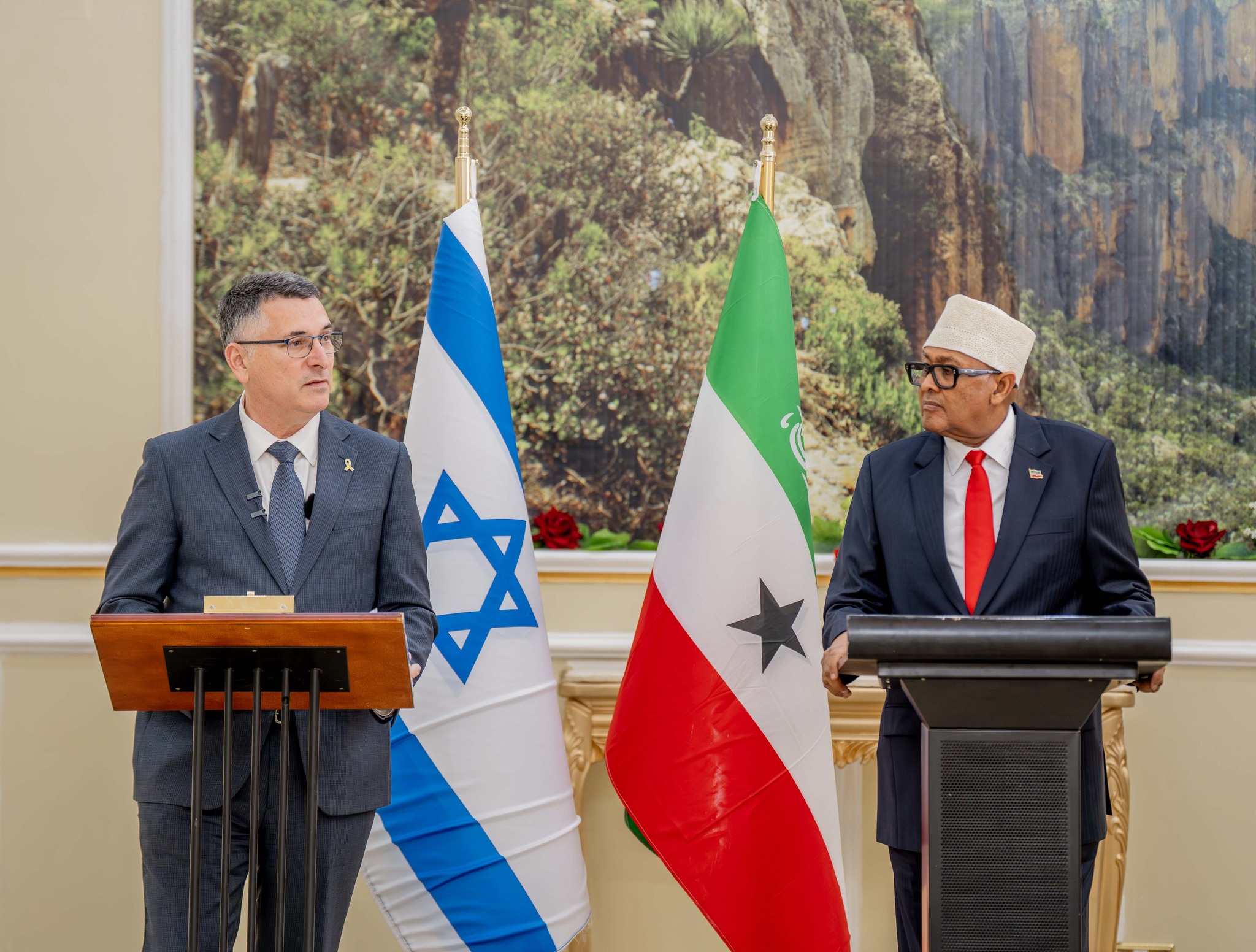
The Federal Republic of Somalia has issued a strong diplomatic condemnation following an unauthorized visit by Israel's Minister of Foreign Affairs to Hargeisa, declaring the move a grave violation of Somalia's sovereignty, territorial integrity, and political unity. Full Article
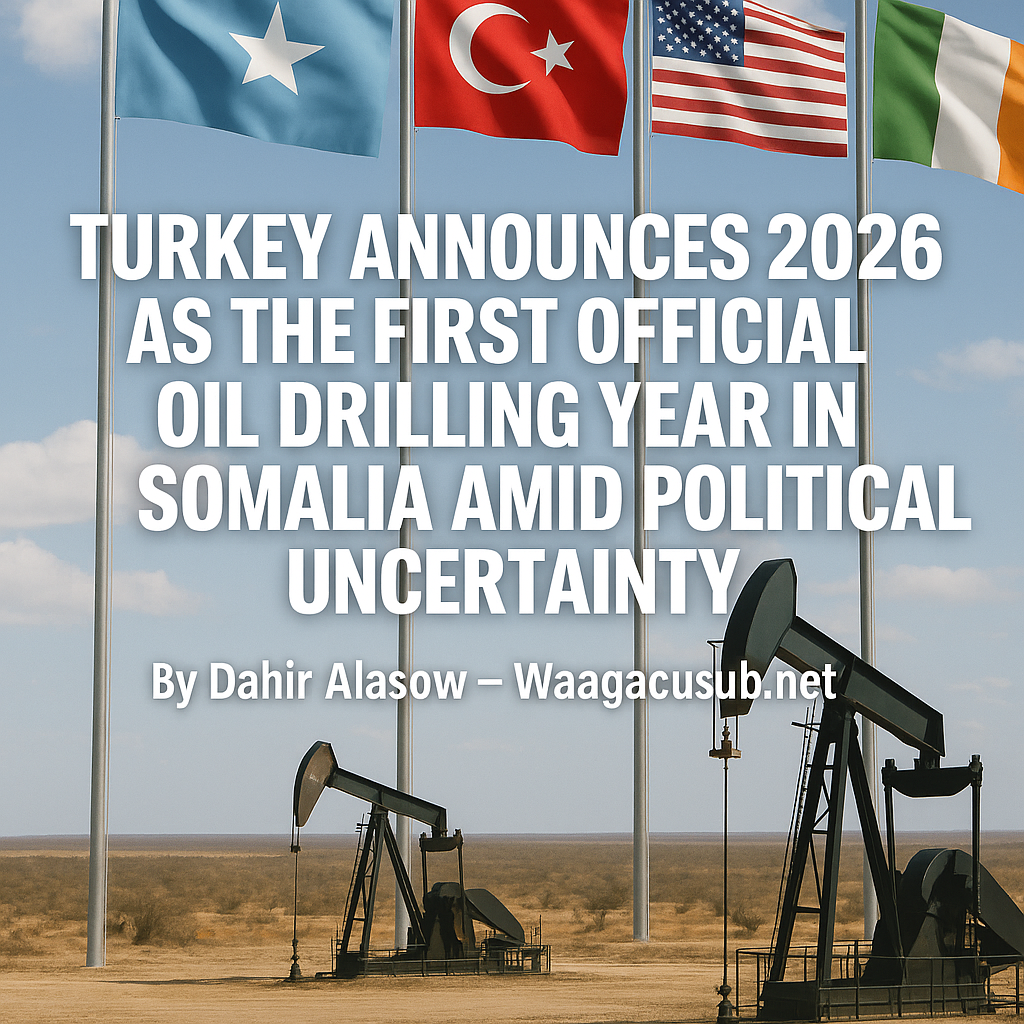
Waagacusub.net - Turkey has openly indicated that 2026 could become the historic year in which Somalia officially begins oil drilling and exploitation of its natural resources—a move that, if implemented, could fundamentally reshape the country's economic future. Full Article
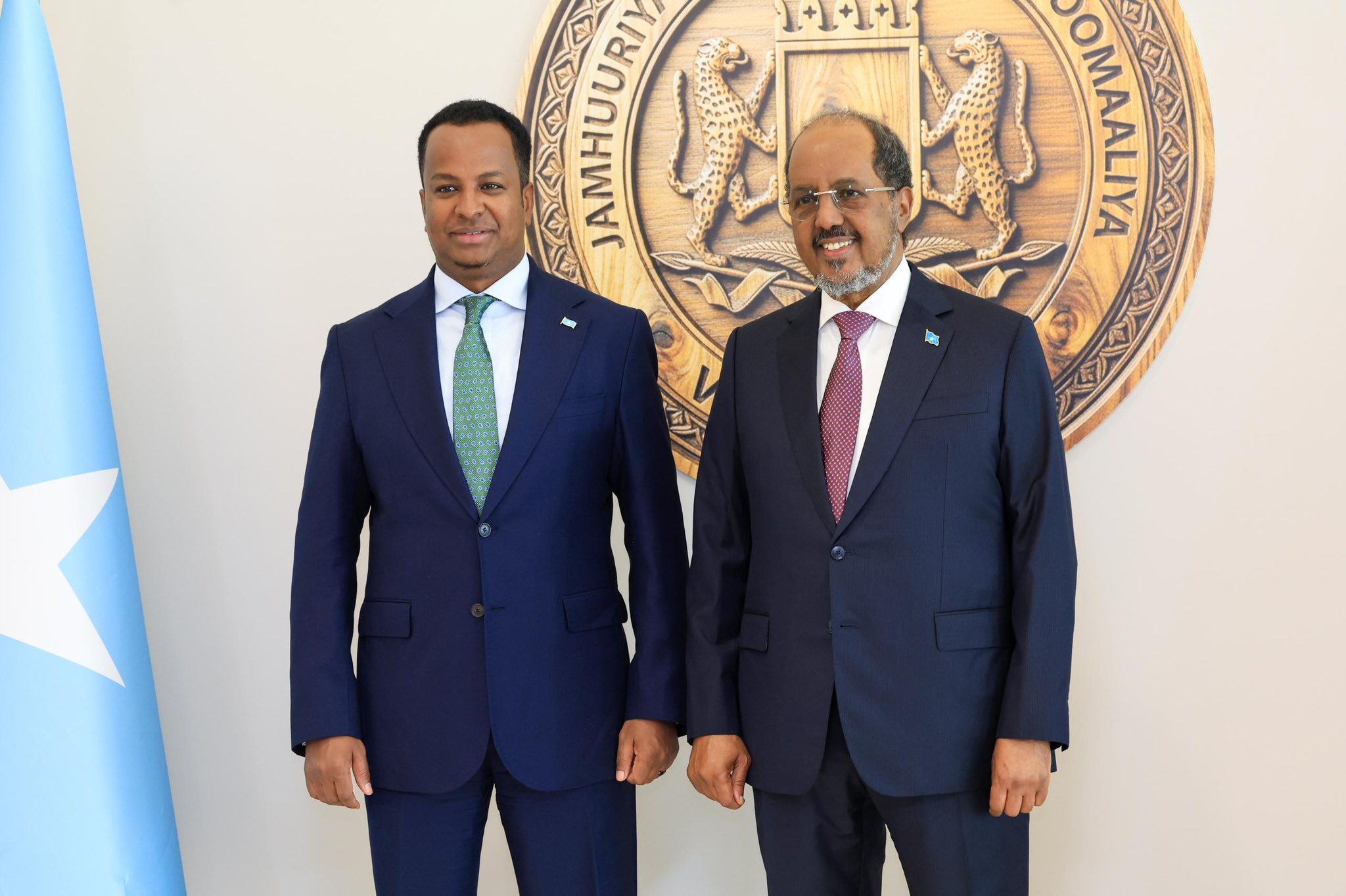
Somalia's Foreign Minister Abdisalam Omer Dhaay has quickly become one of the most promising and effective young diplomats to emerge in recent years. In a political landscape too often dominated by internal disputes and inconsistent foreign policy, Dhaay stands out for his professionalism, clarity, and modern diplomatic approach. Full Article
Somalia is facing a deepening humanitarian and political crisis following widespread forced evictions, deadly security operations, and escalating tensions between the federal government and opposition groups.
The Federal Republic of Somalia has issued a strong diplomatic condemnation following an unauthorized visit by Israel's Minister of Foreign Affairs to Hargeisa, declaring the move a grave violation of Somalia's sovereignty, territorial integrity, and political unity.
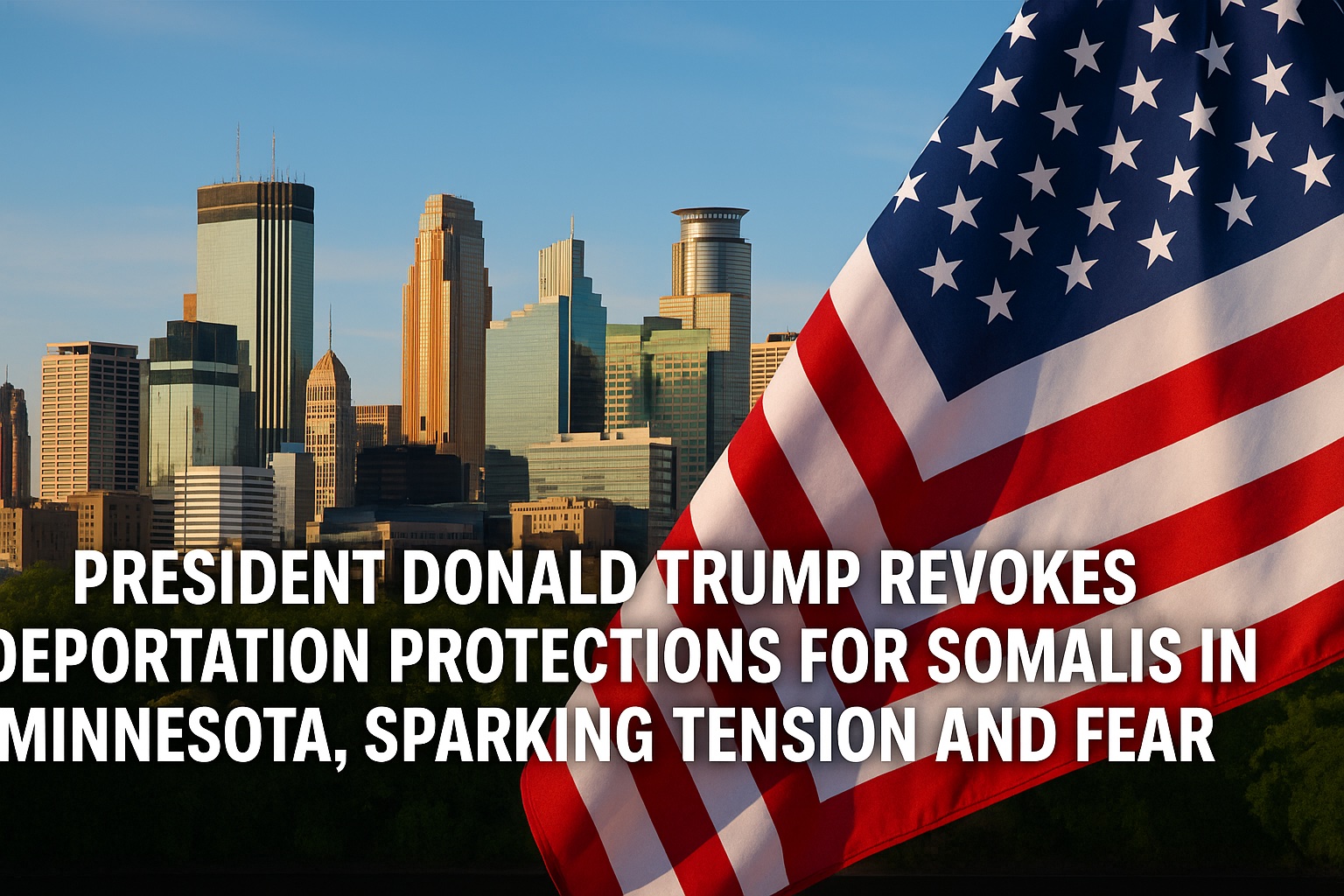
Washington – U.S. President Donald Trump has announced the immediate cancellation of deportation protections for Somali nationals living in the state of Minnesota, sending shockwaves through one of the largest Somali diaspora communities in the world. In a strongly worded post shared online, President Trump stated: "Somali gangs are terrorizing the people of that great State, and BILLIONS of Dollars are missing. Send them back to where they came from. It's OVER!" The message has triggered widespread fear among Somali immigrants and families in Minnesota, many of whom have lived in the United States for decades and built stable communities.

By Dahir Abdulle Alasow – Investigative Sports Journalist Amsterdam – 18 November 2025 =The Dutch national football team is celebrating a historic achievement after officially qualifying for the FIFA World Cup 2026 with a dominant 4–0 victory over Lithuania in Amsterdam on Monday night.
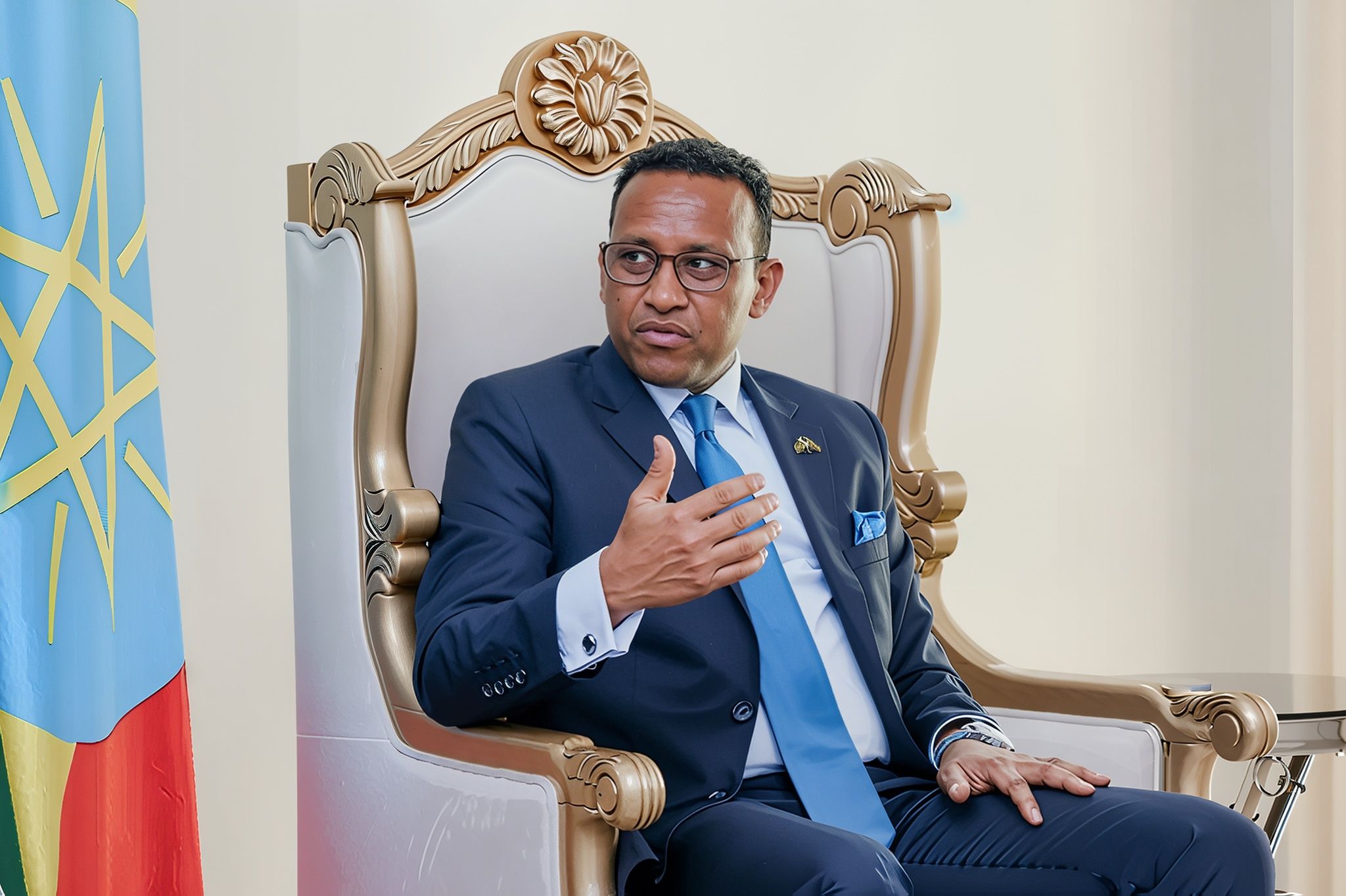
Addis Ababa, Ethiopia – In a move highlighting Ethiopia's growing focus on Gulf partnerships, Prime Minister Abiy Ahmed has appointed Ambassador Jamal Bakar, a senior diplomat from the Somali Regional State, as the country's new Ambassador to the United Arab Emirates (UAE).




MOGADISHU, Somalia — Turkey's growing political, military, and economic influence in Somalia is increasingly drawing attention across the Horn of Africa and Red Sea region as geopolitical competition intensifies between regional and international powers. Full Article
Somalia is facing a deepening humanitarian and political crisis following widespread forced evictions, deadly security operations, and escalating tensions between the federal government and opposition groups. Full Article
MOGADISHU, Somalia — Somalia's Defense Minister Ahmed Moalim Fiqi has sparked outrage after issuing strong threats against opposition leaders planning anti-government demonstrations in Mogadishu, warning that security forces would respond forcefully to any protests challenging the federal government. Full Article
The Associated Somali Journalists (ASOJ) has expressed concern over what it describes as growing pressure, intimidation, and suppression targeting independent media and freedom of expression in Somalia. Full Article
MOGADISHU, SOMALIA — Turkey is increasingly emerging as the dominant foreign diplomatic force in Somalia following the failure of political talks previously supported by the United States, the United Kingdom, and international partners, highlighting a major shift in influence inside Somalia's political landscape. Full Article
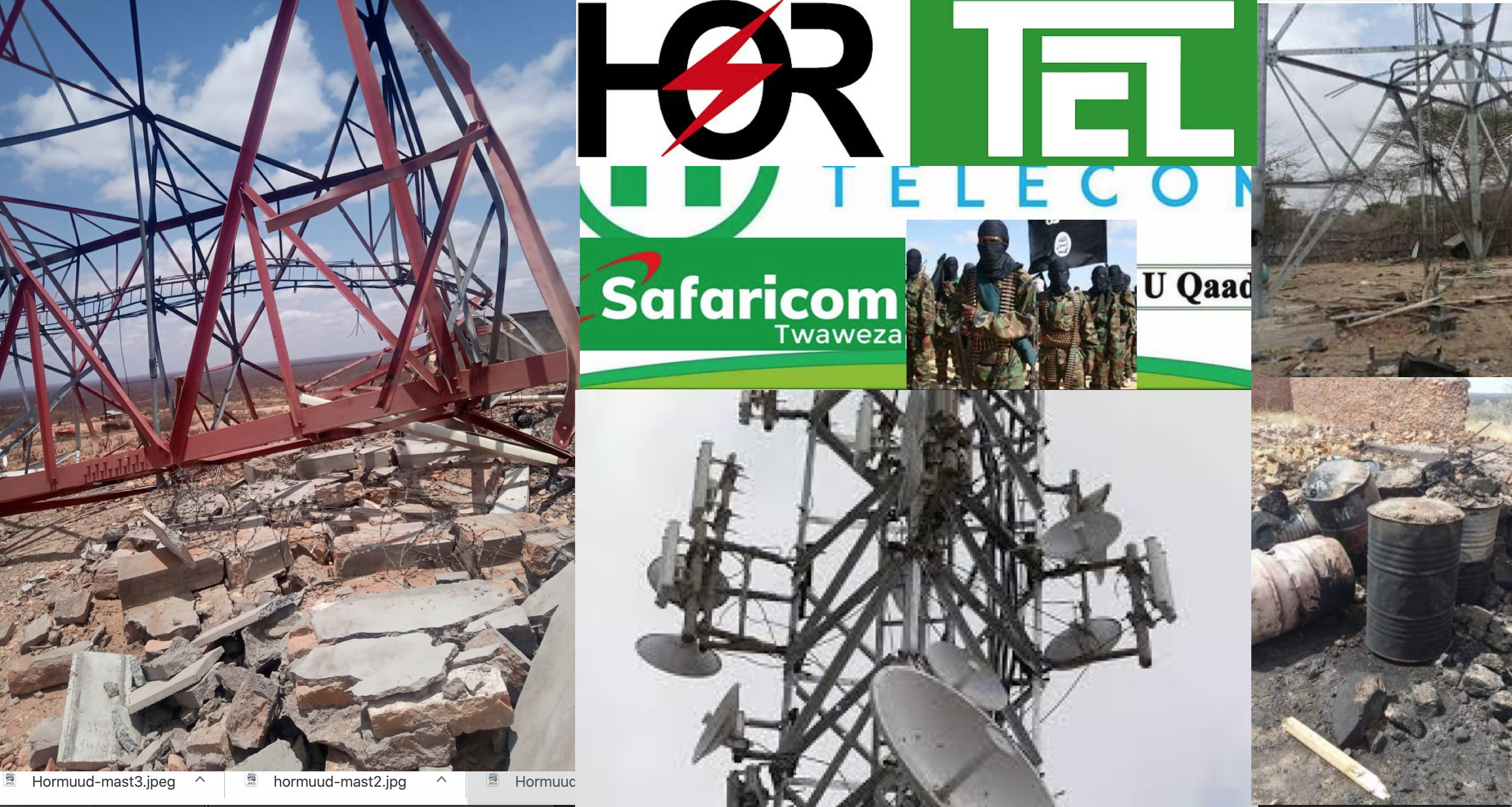
Hormuud's Assault on African Peacekeepers Figure 14: African Peace Keepers Hormuud launched a scorching public campaign against the Kenyan military forces in AMISOM in late August 2019. Full Article
Former Intel official stripped from NISA membership Full Article
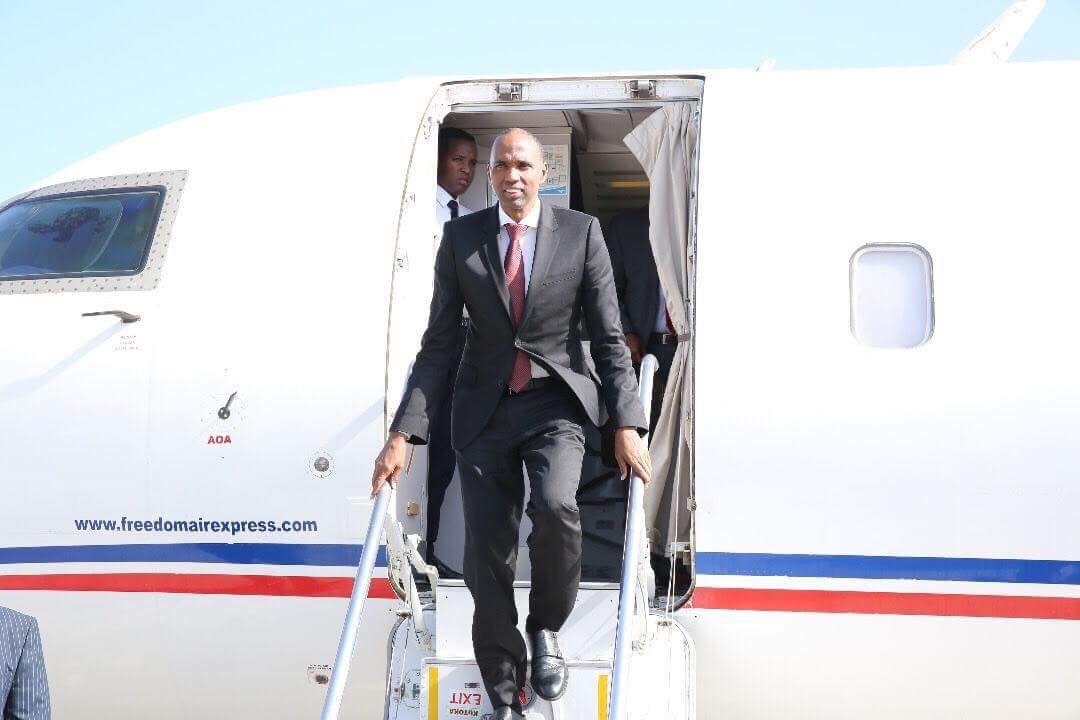
PM KHEYRE USELESS AND COSTY OVERSEAS TRIPS. Full Article
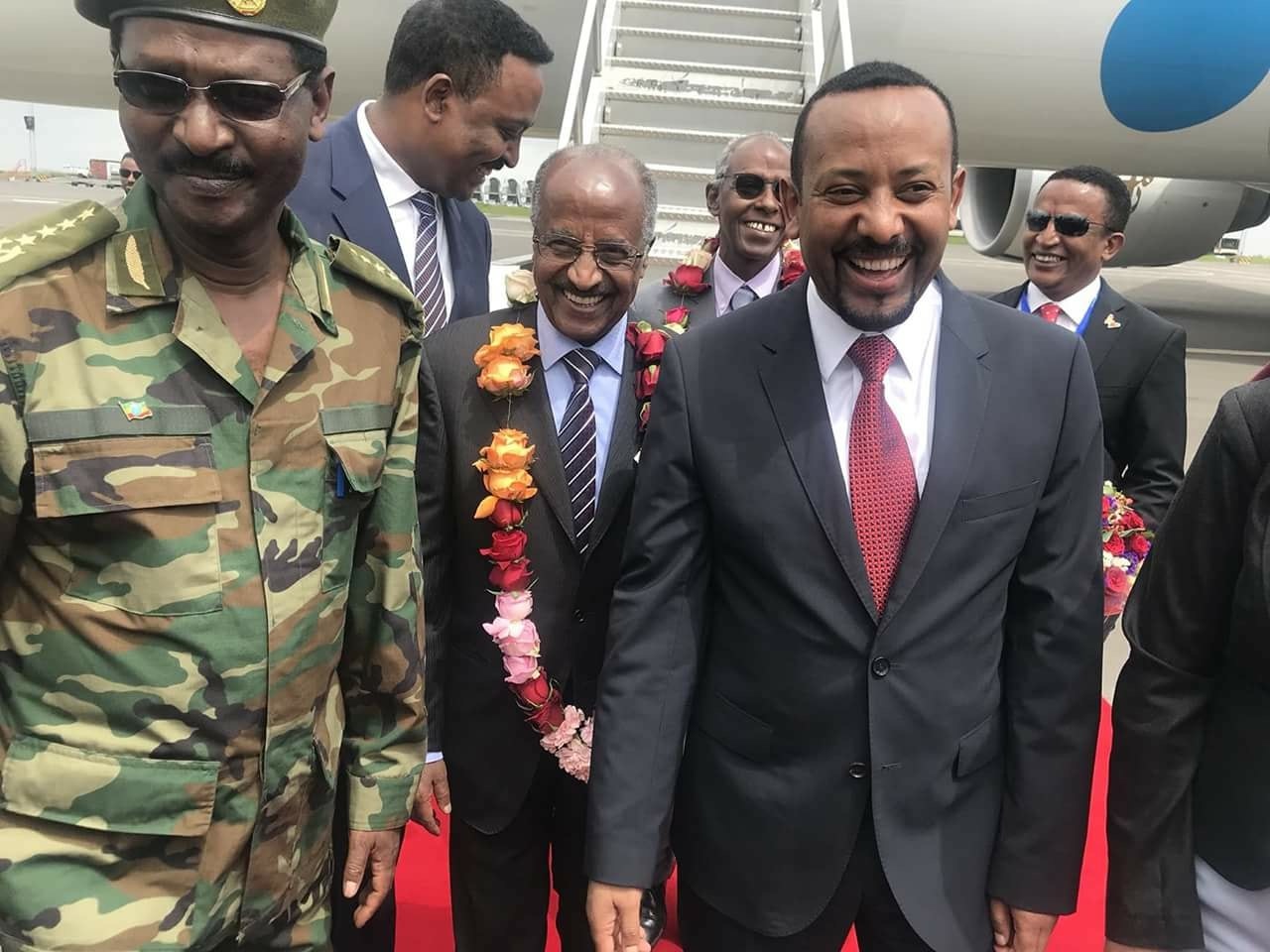
Abiy says 'New Year' will be celebrated in Eritrea, Ethiopian Airlines to resume flights Full Article
Massive rise in Islamist militant attacks in Africa Full Article


The History and Politics of Somalia By Yusuf Hussein Hassan
Waagacusub.net - Somalia is a country with a beautiful people strategically located in the Horn of Africa, bordering the Gulf of Aden in the north, the Indian Ocean in the east, Ethiopia in the west, Kenya in the southwest and Djibouti in the northea