

 1
1

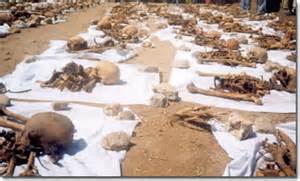

Citing the trend, one could possibly envision on how the people was and will always be susceptible to civil unrest, mistrust and group repression. In their longhistory, various clans never agreed on the balance of power and a middle ground solution was needed when such contentious issues were brought to the negotiating table. Incompromise, neither side could get all of what it asked for but each side had to make difficult concessions. Serious attempts from sincere politicians was always missing.
Before the arrival of Britain, the people and lands which became Somaliland Protectorate in the late 19thcentury were traditionally divided into clans and their territories.Each clan was separate and independent from the other. Chiefs, Suldans, Grads and Ugases administered the civil and judicial matters inside and outside clans. Some clans, like the Dhulbahante, did not sign any formal treaty with the British
During the British protectorate rule, each clan maintained its internal administration and the United Kingdom recognized each clan area as a separately protected people and territory. That was because, the clan treaties defined land boundaries and people. This means that neither the British nor the clans were interested in the creation of a unitary state of Somalis in the North.At any point in their long history, the northerners never agreed to form a unitary state.The declaration of independence automatically annulled the " Somaliland British mandate" leaving the clans and their chieftains in theirdifferent territorial jurisdictions.
The initial political conflict began when in 1959, the British administration, in their last days of departure, unfairly distributed first legislative council of 33 seats of which 21 were given to one group. The other fourclans saw that as domination of one tribe. Borama travelled to the eastern Darood groups asking for alliance and on 17/10/159, the United Somali Party ( USP). This party with the majority of Northerners who wanted greater Somalia was the ideological base for the Northern Unification with the South.
Few Northern leaders, particularly from Isaq, did not meet their expectations on how the cabinet and other government positions were divided. Shortly, after unification, in 1961, these groups attempted a coup in the north but was immediately aborted. In the Northern Somalia, the trend of secession revived in 1980 when the public, in general, resented their government anddifferent clans announced the formation of their own movements...USC for Hawiye, SPM for Ogaden, SDA for Samaroon, SNM for Isaq, SSDF for Majeerteen ...and many more.
-1977-78 Somali/Ethiopian war displaced more than a million Somalis. Most of them were in refugee camps in Northern Somalia. The refugee camps were run by UNHCR budget and were located in Hargeisa Dam, Adhicadays, Lasdhuure, Agabar, Arabsiyo, Tugwajale, Daraymaane and Darbihorre.
-The influx of large refugees had a significant impact on the people as the newcomers appeared to be having more opportunities than the natives of the region. They smoothly mixed in the ruling system, had equal, sometimes more equal, than others in every field of life as in government jobs, in business and even in land ownership.
-In 1980, a team of young elite suspected that the refugees were systematically integrating into the country with the government backing.The group foundedacover up charity organization, U.F.O, with a political agenda. The aim was to raise the public awareness about the threat of the large refugee population and the government's financial and power facilitation.
- After 1977-78 war, Mogadishu funded four rebel groups against Ethiopian regime.These fighters were formed on tribal basis and were the Horyal for the Samaron,Afraad for theIsaaq and WSLF for Ogaden andfor Sh. Belisa of Bali. The government, after misunderstandings, suspended funding the Afraad rebel wing who immediately moved to Ethiopian and surrendered themselves to Mengistu, the Ethiopian leader.They were given a base in Duryo when UFOteamin Hargeisa alsobecamepartners in principle.Shortly, after that, SNM was founded in London on April 6, 1981.
- From that time and afterwards, a new era escaping to Ethiopia has started. Security officials, politicians and many important personalities from Isaaq tribes left the country to Ethiopia to join the SNM. In 1983, those in Ethiopia, the London and other delegates met in Adari, Ethiopia and chose their first joint council headed by Sh. Yusuf sh. Ali Madar. in August 1984, Ahmed Mohamed Siilaanyo was elected as leader.
-On March 19, 1988, Mengistu of Ethiopia decided to mend relations with Siyad Barre. Mengistu's plan was to secure the Ethiopian/ Somali front in order to send troops to Eritrea. This was a turning point in the SNM history because they wereordered to stop attacks and move their militias 15km inland away from the Somali border.
- At that point, Siilaanyo,had to make a critical choice and chose wrong road. He asked his team to go inside where confrontation with the government has started. The SNM launched a military campaign in 1988, temporarily capturing Burao on May 27 and part of Hargeysa on May 31.Government forces fought the opposition militia in the streets, forcing the SNM to withdraw and causing more than 300,000 to flee to Ethiopia. The military regime conducted the same reprisals against the Majeerteen rebels, destruction of water wells, grazing grounds and wiping out whole villages.
In this case, the government had a responsibility to fight the invaders who decided to fight inside the publicand behind the cover of the civilians. The fighting in the towns was, ofcourse, unwise and one should expect high casualty. In that fight, it was impossible to say who killed who as SNM, itself, in full scale,engaged in killing the military as well as fleeing non-Isaaq people.
Aftermath the war, large number of deadbodies were left in many different parts of towns. An eye witness woman tells me that they were too busy in making ropes from their clothes. Since there was no enough people to do the burying, the fewvolunteers tied the bodies together and put them in shallow graves, enough to hide them. Whether that type of war can satisfy the genocide legal definition will bediscussed in the next section of this paper.
- Siilanyo's wrong move displaced the Isaag populationswho were camped in Ethiopian refugee camps. Again, it is apparent that SNM was responsible for the displacement of hundreds of thousandsof refugees to Ethiopia. The refugees sheltered SNM when waging their attacks, from there, to inland Somalia. Later in the years, theAddis/Mogadishu peace agreement did not sustain and SNM was getting a lot of support from Mengistu of Ethiopia.
- In 1989, SNM ranks was in trouble when Siilaanyo targeted Habar Awal leaders of whom many disappeared. He also started a dialogue of negotiations with Siyad Barreregime through a close friend and relative Adan Mohamed Ahmed Qaybe, the last Somalia's Foreign Minister. In April 1990, the division resulted Siilaanyo's downfall and the appointment of Abdirahman Ahmed Ali (Abdirahman Tuur) as leader.
- For a decade,1981 to 1991, SNM was unable to enter the North, but were given the victory by the Aideed USC who removed Siyad Barre from Mogadishu on January 19,1991.At that time, SNM, without resistance, rushed the gates of Northern Somalia.
-Having access to large number of abandoned weapons, SNM, backed by Ethiopian troops, attacked the civilian populations of Awdal. Theylevelled the historic town of Dilla, killing more than 700 of its people. They then passed to the regional capital city of Borama where they killed 746 in less than 16 hours. Warehouses and homes were emptied,and they left death and destruction, without the least moral value, enjoying their convoys of looted property. Ironically, SNM who claim unjustifiable genocide were responsible for genocide in Awdal region.
There is no question about the repressive and irresponsible nature of the Siyad regime but that cannot justify the equally reckless, merciless and the mindless behaviour of the SNMtowards its neighbours.
- Within a short time, SNM's internal power struggle began. Abandoned military bases were taken by clan rivals where Arab tribe had the largest one and even the airport was taken by Edagale. As part of jurisdiction andland claims, the roads became impassable because of young men who controlled them with road blocks. In the middle of lawlessness, SNM, without approval from other people in the country, declaredsecession from the rest of the country. The two year transitional mandate given to SNM to stabilize the country did not work.
- In early 1993, Looking for a way out of the lawlessness, Habar Awal neighbour tribe members approached Samaroon elders and asked for help. At that point, Samaroon decided to forget the past, mend relations and organised that historic conference in Borama. For five months, Samaroon mind and material logistics was founded with the present Somaliland to move forward and to function as an administration.
GENOCIDE--THE LAW OF THE CASE
The term 'Genocide' was coined by Polish writer and attorney, Raphael Lemkin, in 1941 by combining the Greek word 'genos' (race) with the Latin word 'cide' (killing). Genocide as defined by the United Nations in 1948 means any of the following acts committed with intent to destroy, in whole or in part, a national, ethnic, racial or religious group, including:(a) killing members of the group.
The international legal definition of genocide, here, refers to the deliberate and systematic destruction of a groupand the intentto destroy.In the SNM and Somali military confrontation, whathappened does not meet the code of genocide in UN's 1948 convention formany reasons:
1.From the part of the government forces, there was nointentto destroy in whole or in part. The security forces were doing their job to fight SNM militia whose aim was to destabilize the country. They attempted to protect the country to fall into anarchyin which everySomali suffered after the loss of their state, peace and dignity.
2. SNM started the war and they werewell aware of the consequences. Therefore, the results of the anticipated outcome of their actions is their fault.
3. SNM, as part of their war strategy, planed to displace the population in the cities to Ethiopia in order to get more people for the fight and also to have shelter within the refugees. This was completely different from the 1915 Ottoman Empire/Armenian genocide case in which deportation was forced--escorted marches of hundreds of thousands of people underconditions designed to lead to death.
Determining the facts and the historical events constitute agenocideare not always as the claimants wish to be. Many of theworld's genocide claim caseswere classified merely as criminal or inhuman behaviour and most of the cases are still unsolved. The investigation, the jurisdictional authority, the responsible world bodies and the judicial process is complex and exhausting.
In nearly every case where accusations of genocide have circulated, partisans of various sides have fiercely disputed the interpretation and details of the event, often to the point of promoting wildly different versions of the facts. A report of genocide may seem easy for some people but that will always be controversial and a long way. In the last half a century ( 1951-2000), there was 20 international cases of which most of themcould not pass the first tests.
In Northern Somalia's "Somaliland' recent talks of genocide, the question is related to the leaders and why they failed spectacularly to see past their own personal gain for the collective good of their people. For a quarter of acentury,they enriched themselves by renting the country to foreign countries and to business partners. Young people die in the seas in their attempts to immigrate for jobs and better life. Today's digging of mysterious "mass-graves" is a new strategy for the loss of another quarter of a century.The purpose isto cover up thereality on the ground...the corruption, the tribalism and the repression of the stateless people in that part of the country.
Osman Elmi[email protected]
MOGADISHU — Concerns are growing among Somali intellectuals, civil society organizations, retired military officers, and democracy advocates that Somalia is entering a dangerous period of political instability marked by increasing militarization and shrinking space for democratic participation. The concerns come amid escalating confrontations in Mogadishu and reports of civilian casualties, displacement, and destruction resulting from recent clashes between government forces and opposition-aligned groups. Full Article
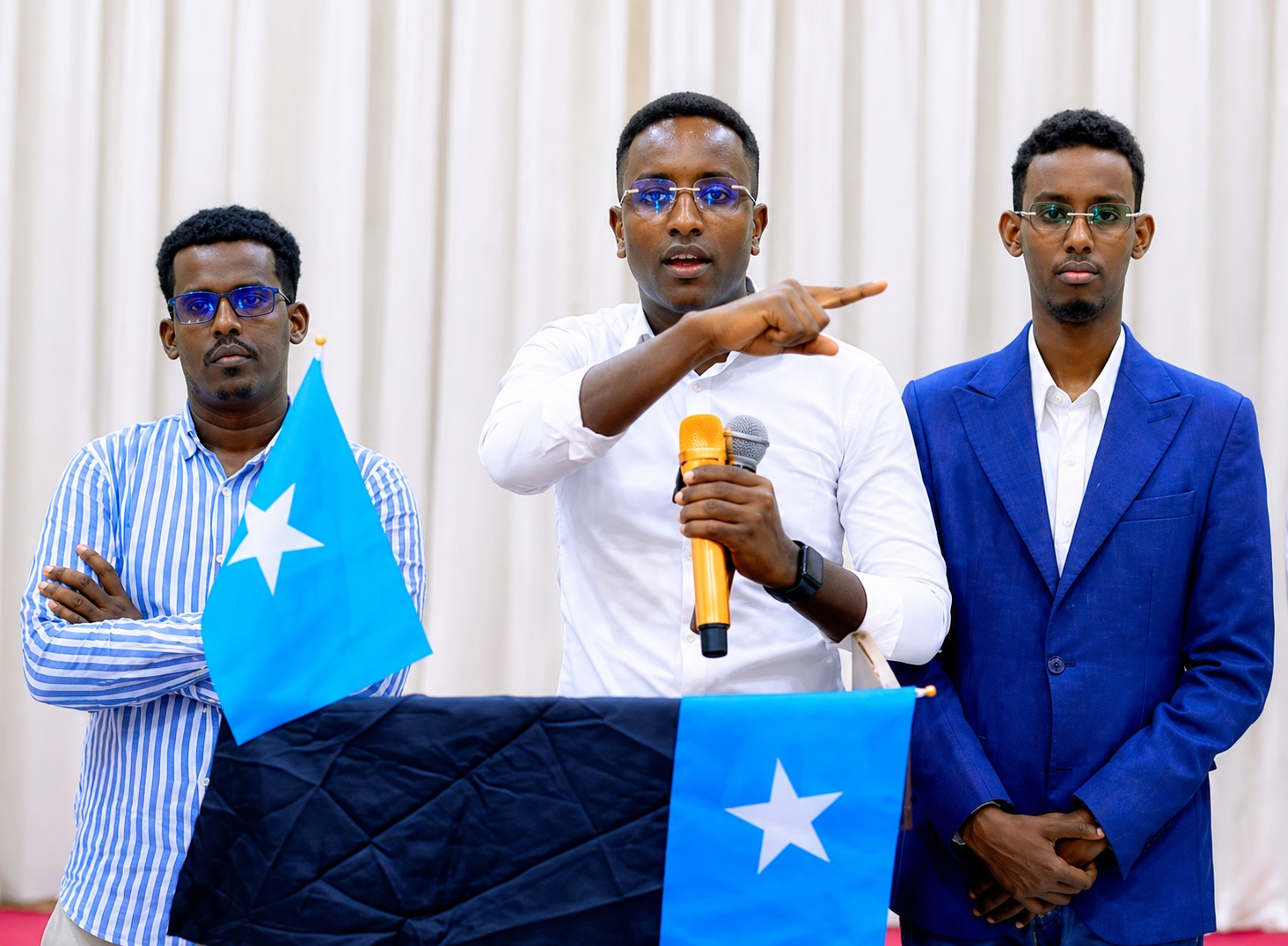
MOGADISHU, Somalia – As Somalia approaches planned demonstrations on June 4, concerns continue to grow over the state of human rights, freedom of expression, and civic space in the country. Full Article
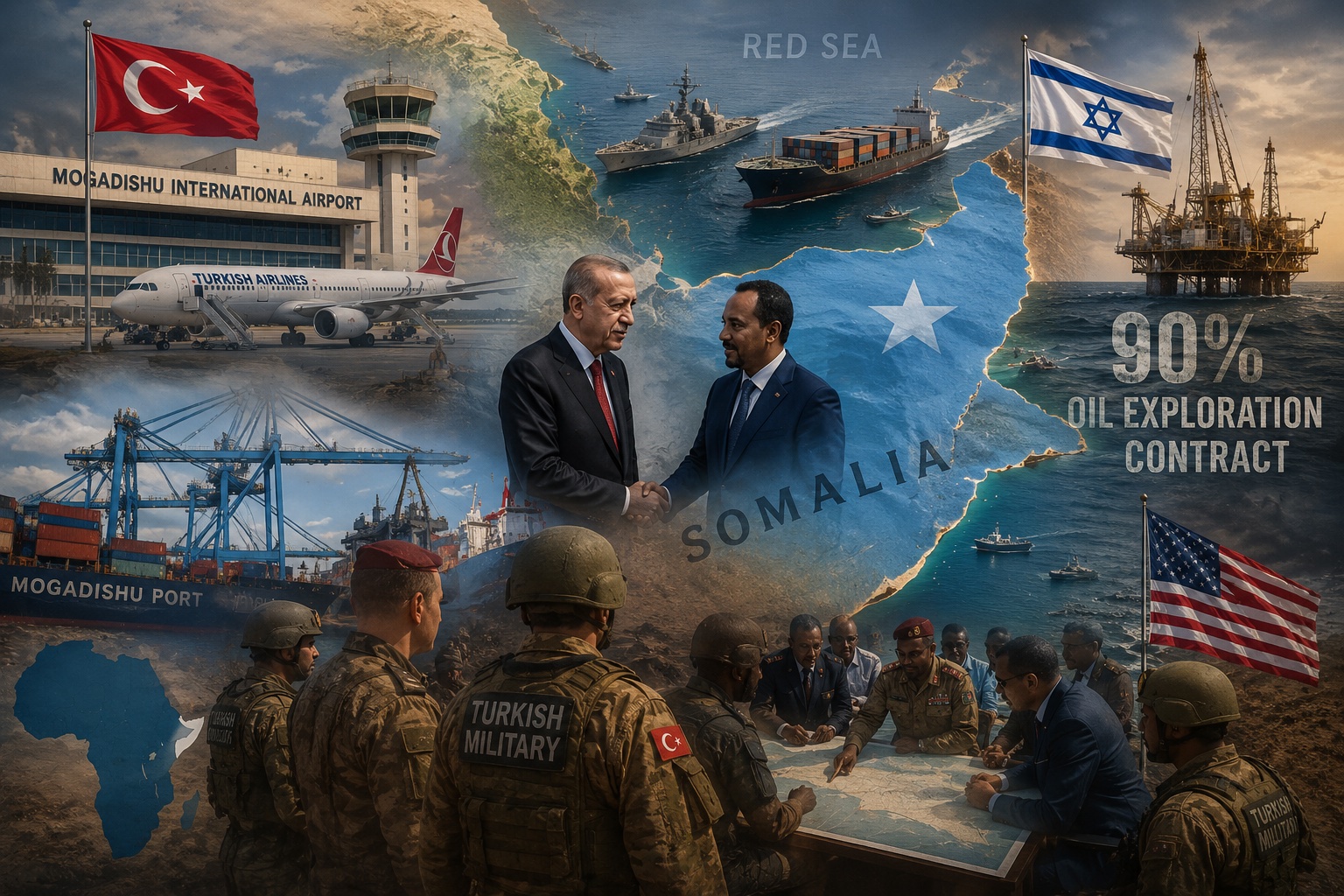
MOGADISHU, Somalia — Turkey's growing political, military, and economic influence in Somalia is increasingly drawing attention across the Horn of Africa and Red Sea region as geopolitical competition intensifies between regional and international powers. Full Article
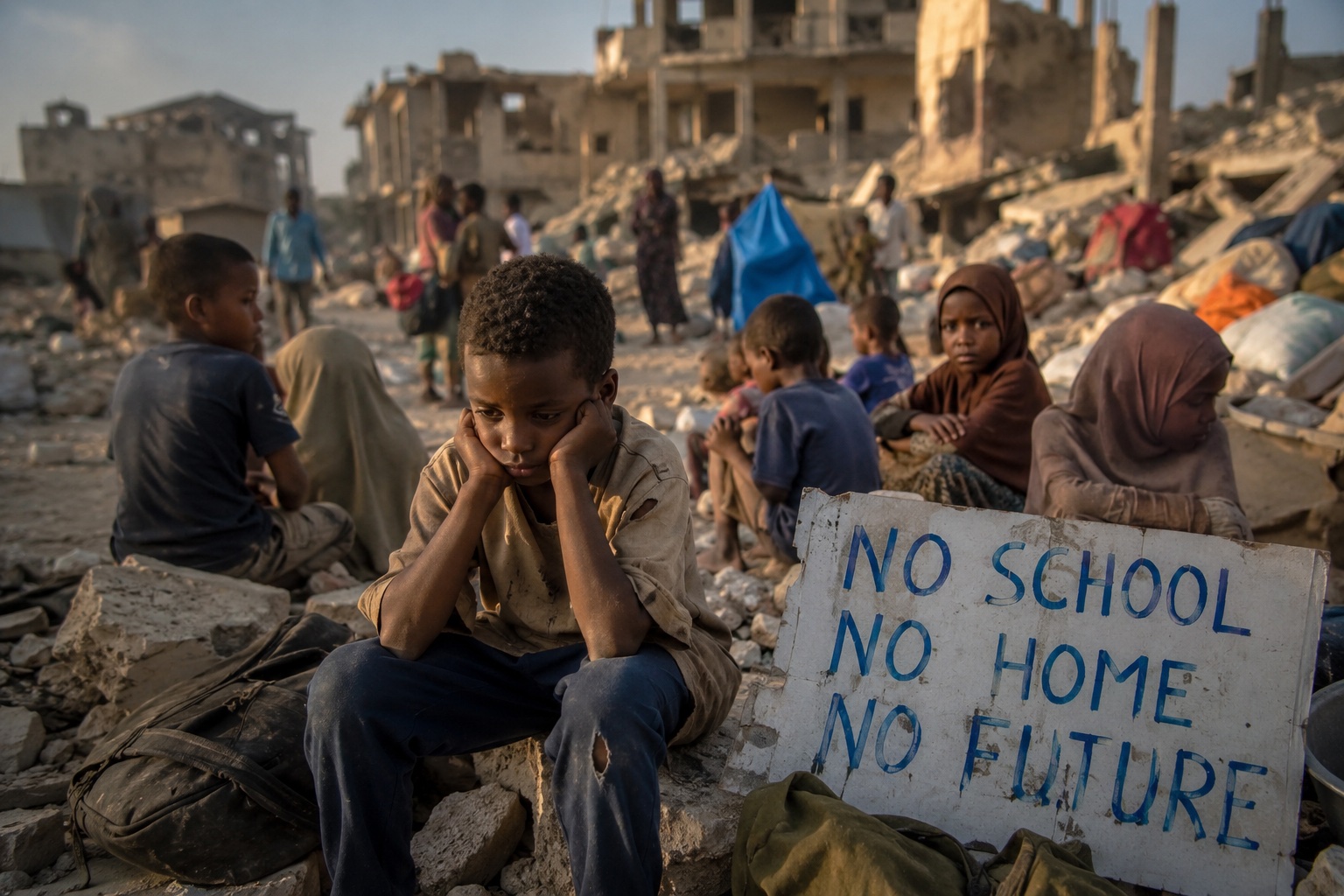
Somalia is facing a deepening humanitarian and political crisis following widespread forced evictions, deadly security operations, and escalating tensions between the federal government and opposition groups. Full Article
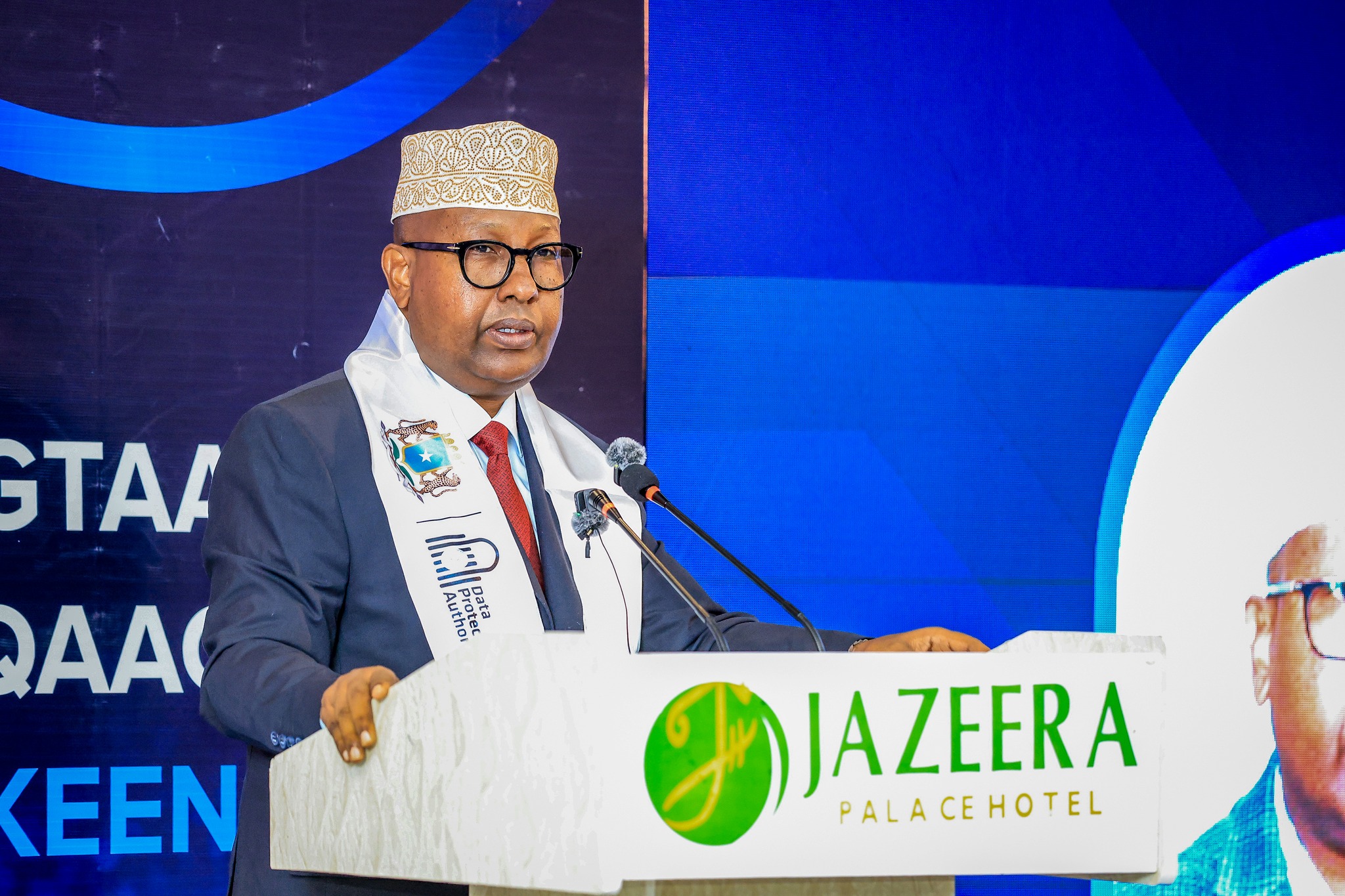
MOGADISHU, Somalia — Somalia's Defense Minister Ahmed Moalim Fiqi has sparked outrage after issuing strong threats against opposition leaders planning anti-government demonstrations in Mogadishu, warning that security forces would respond forcefully to any protests challenging the federal government. Full Article
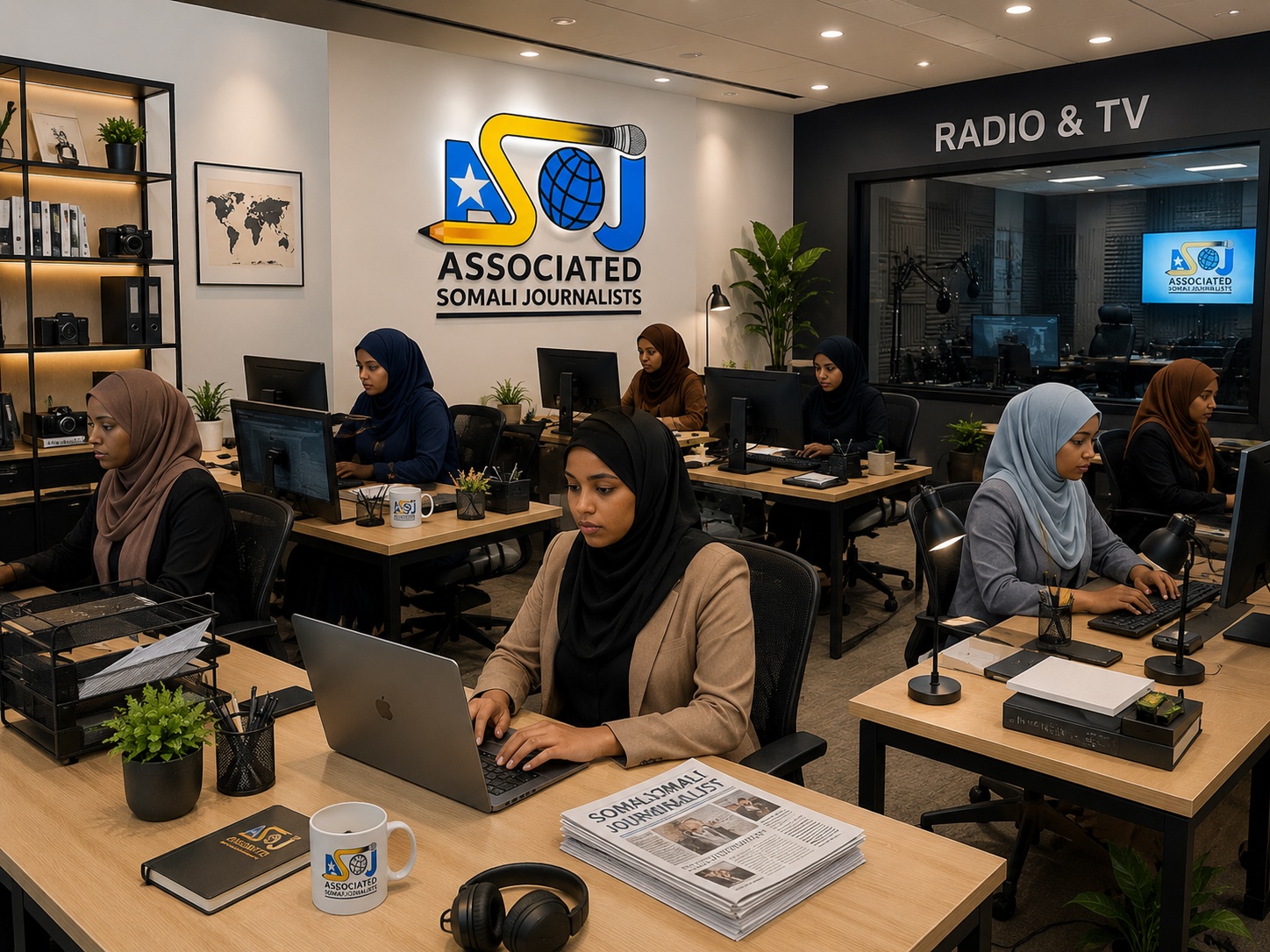
The Associated Somali Journalists (ASOJ) has expressed concern over what it describes as growing pressure, intimidation, and suppression targeting independent media and freedom of expression in Somalia. Full Article
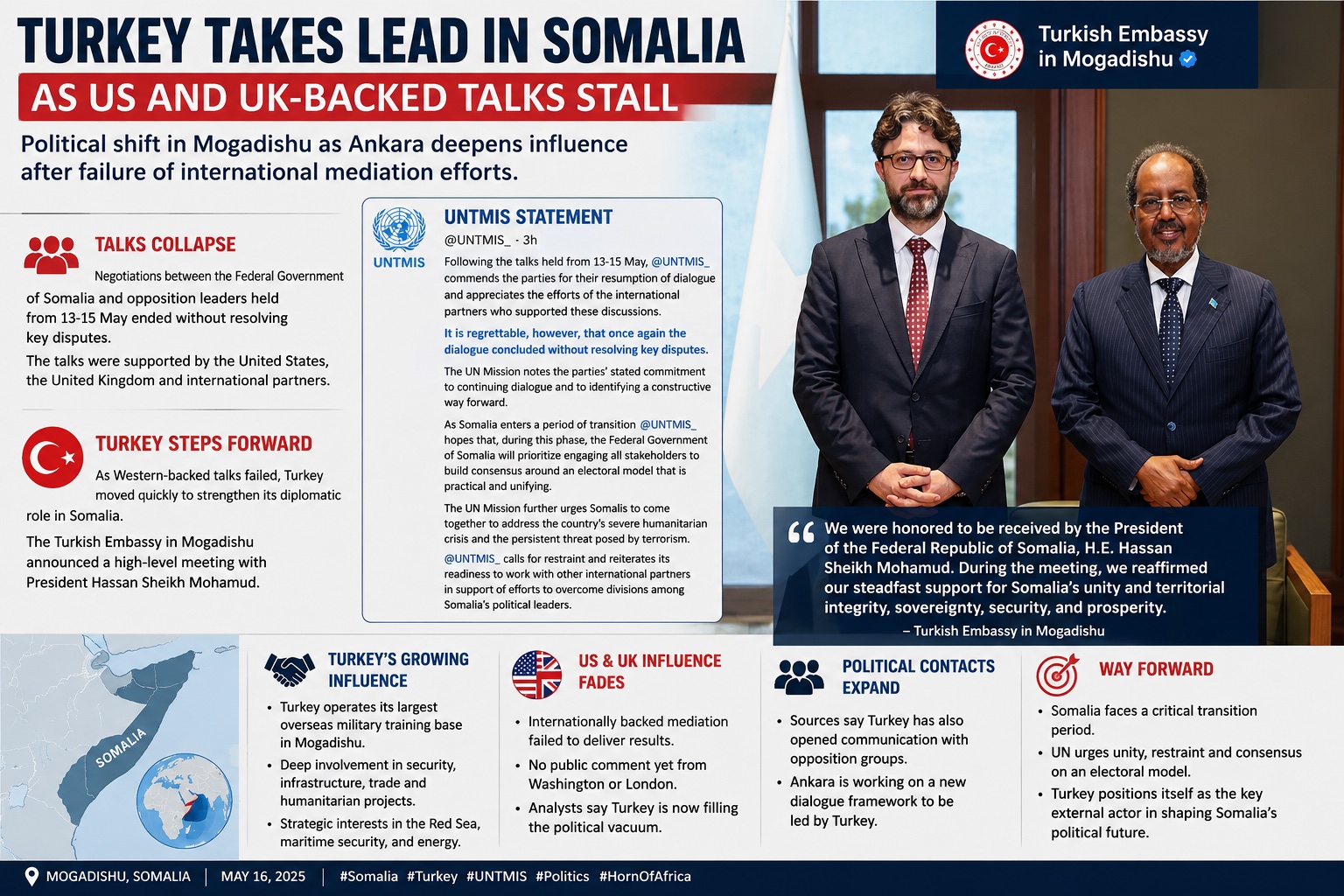
MOGADISHU, SOMALIA — Turkey is increasingly emerging as the dominant foreign diplomatic force in Somalia following the failure of political talks previously supported by the United States, the United Kingdom, and international partners, highlighting a major shift in influence inside Somalia's political landscape. Full Article
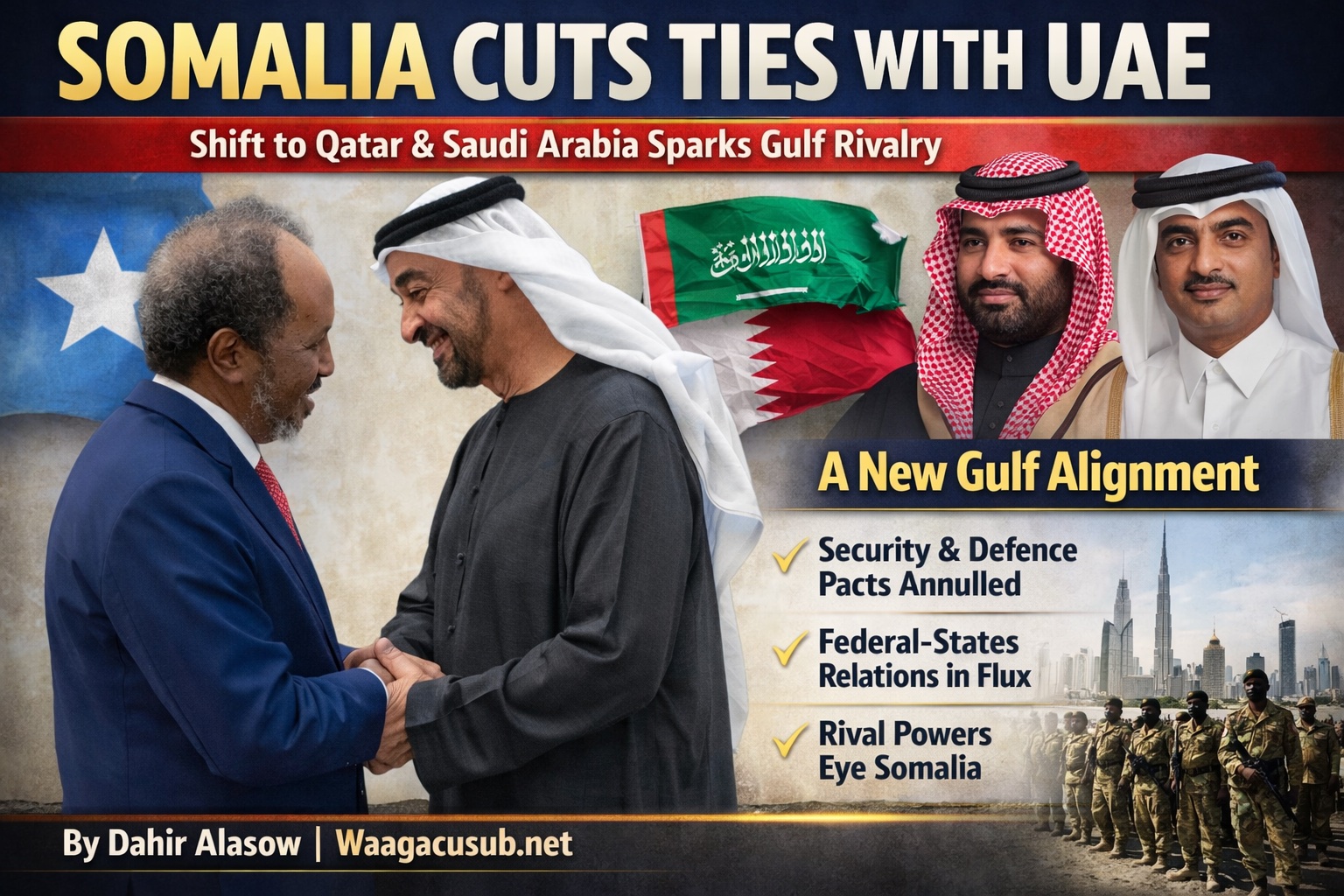
By Dahir Alasow | Waagacusub.net — Opinion / Analysis Mogadishu — The Federal Government of Somalia's decision to annul all cooperation agreements with the United Arab Emirates (UAE)—including security and defence-related arrangements—represents one of the most consequential foreign-policy turns Somalia has taken in years. Full Article
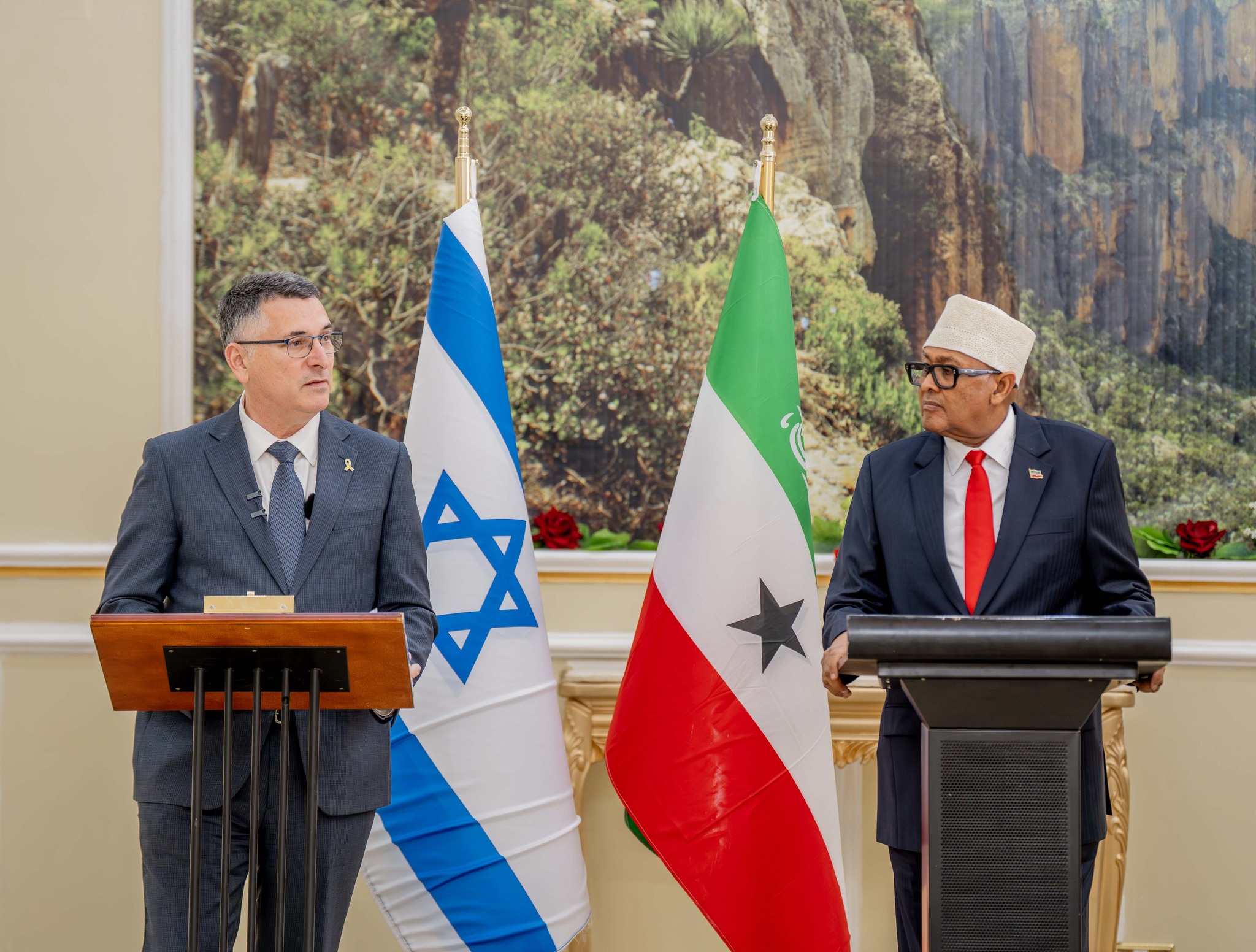
The Federal Republic of Somalia has issued a strong diplomatic condemnation following an unauthorized visit by Israel's Minister of Foreign Affairs to Hargeisa, declaring the move a grave violation of Somalia's sovereignty, territorial integrity, and political unity. Full Article
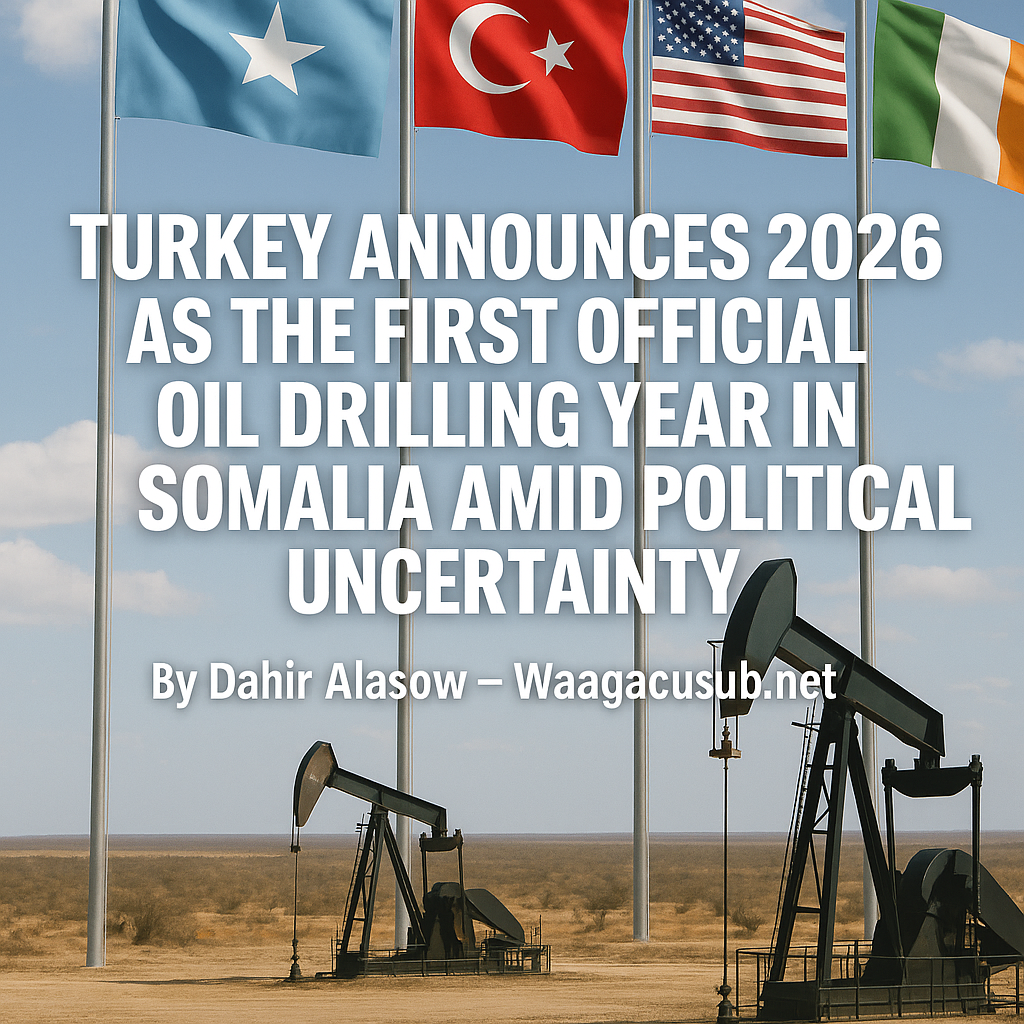
Waagacusub.net - Turkey has openly indicated that 2026 could become the historic year in which Somalia officially begins oil drilling and exploitation of its natural resources—a move that, if implemented, could fundamentally reshape the country's economic future. Full Article
MOGADISHU — Concerns are growing among Somali intellectuals, civil society organizations, retired military officers, and democracy advocates that Somalia is entering a dangerous period of political instability marked by increasing militarization and shrinking space for democratic participation. The concerns come amid escalating confrontations in Mogadishu and reports of civilian casualties, displacement, and destruction resulting from recent clashes between government forces and opposition-aligned groups.
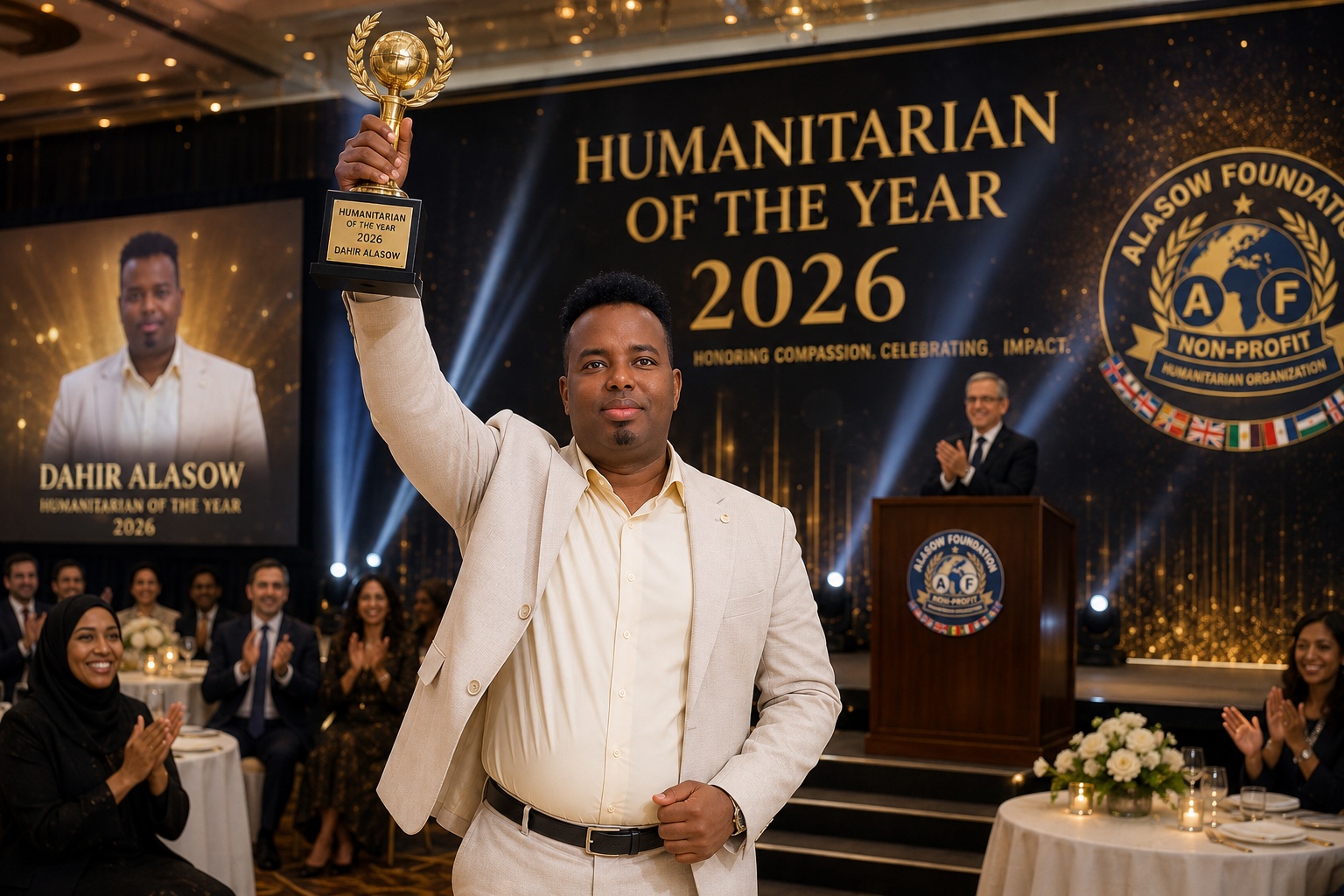
Prominent Somali investigative journalist and philanthropist Dahir Abdulle Alasow has been honored with the prestigious Humanitarian of the Year 2026 Award, recognizing his growing humanitarian impact through the international charity organization Alasow Foundation.
Somalia is facing a deepening humanitarian and political crisis following widespread forced evictions, deadly security operations, and escalating tensions between the federal government and opposition groups.
The Federal Republic of Somalia has issued a strong diplomatic condemnation following an unauthorized visit by Israel's Minister of Foreign Affairs to Hargeisa, declaring the move a grave violation of Somalia's sovereignty, territorial integrity, and political unity.
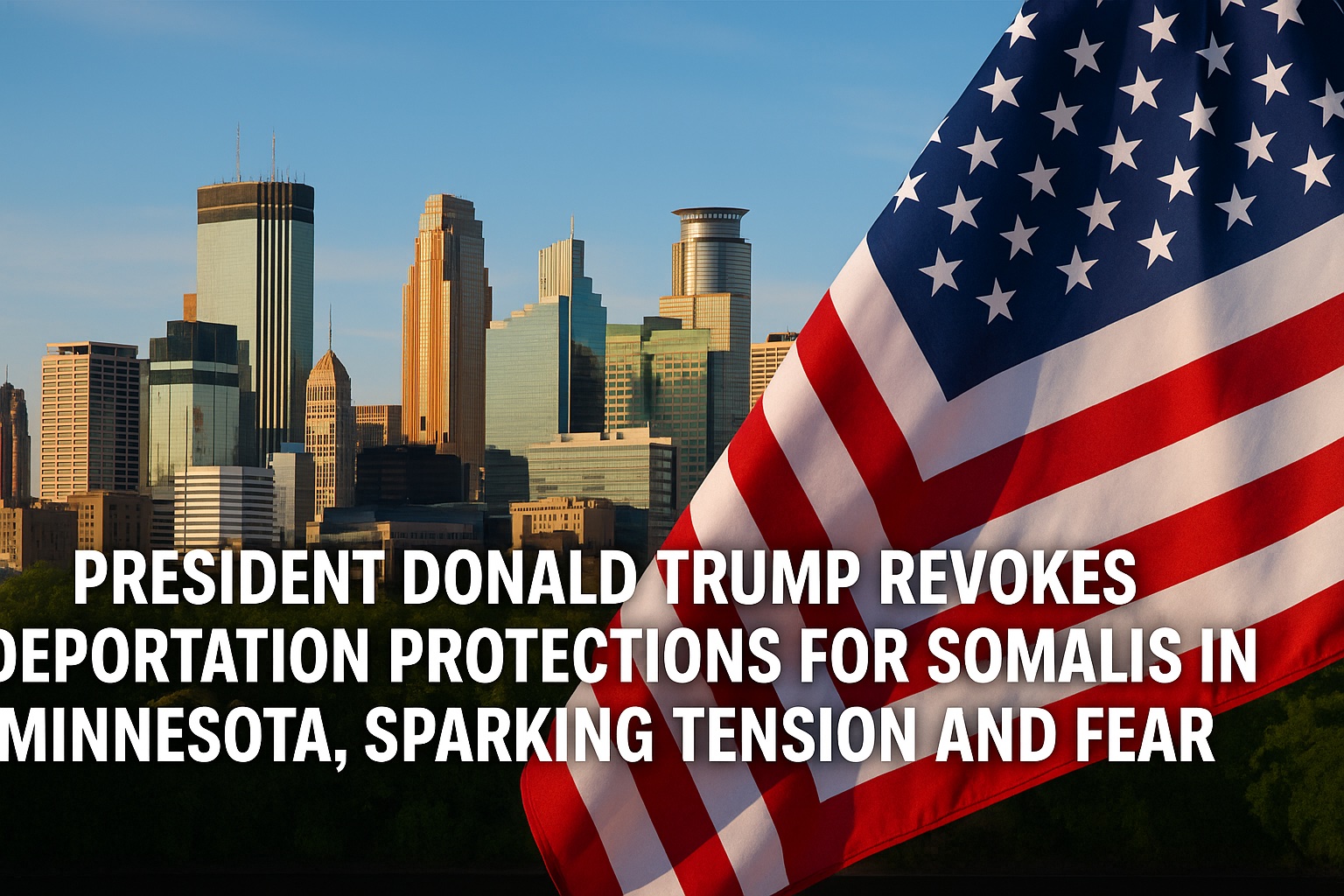
Washington – U.S. President Donald Trump has announced the immediate cancellation of deportation protections for Somali nationals living in the state of Minnesota, sending shockwaves through one of the largest Somali diaspora communities in the world. In a strongly worded post shared online, President Trump stated: "Somali gangs are terrorizing the people of that great State, and BILLIONS of Dollars are missing. Send them back to where they came from. It's OVER!" The message has triggered widespread fear among Somali immigrants and families in Minnesota, many of whom have lived in the United States for decades and built stable communities.




MOGADISHU — Concerns are growing among Somali intellectuals, civil society organizations, retired military officers, and democracy advocates that Somalia is entering a dangerous period of political instability marked by increasing militarization and shrinking space for democratic participation. The concerns come amid escalating confrontations in Mogadishu and reports of civilian casualties, displacement, and destruction resulting from recent clashes between government forces and opposition-aligned groups. Full Article
MOGADISHU, Somalia – As Somalia approaches planned demonstrations on June 4, concerns continue to grow over the state of human rights, freedom of expression, and civic space in the country. Full Article
Prominent Somali investigative journalist and philanthropist Dahir Abdulle Alasow has been honored with the prestigious Humanitarian of the Year 2026 Award, recognizing his growing humanitarian impact through the international charity organization Alasow Foundation. Full Article
MOGADISHU, Somalia — Turkey's growing political, military, and economic influence in Somalia is increasingly drawing attention across the Horn of Africa and Red Sea region as geopolitical competition intensifies between regional and international powers. Full Article
Somalia is facing a deepening humanitarian and political crisis following widespread forced evictions, deadly security operations, and escalating tensions between the federal government and opposition groups. Full Article
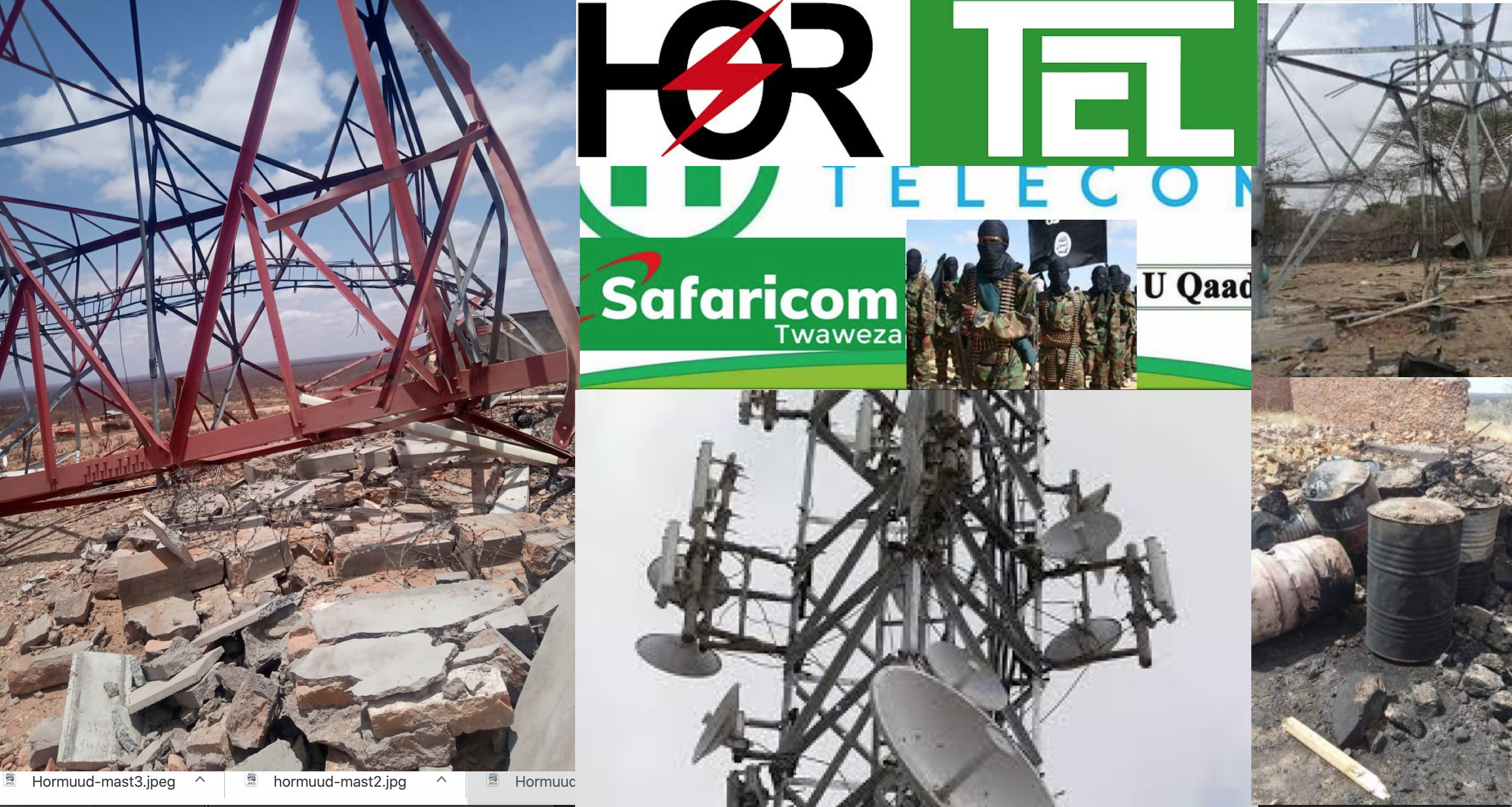
Hormuud's Assault on African Peacekeepers Figure 14: African Peace Keepers Hormuud launched a scorching public campaign against the Kenyan military forces in AMISOM in late August 2019. Full Article
Former Intel official stripped from NISA membership Full Article
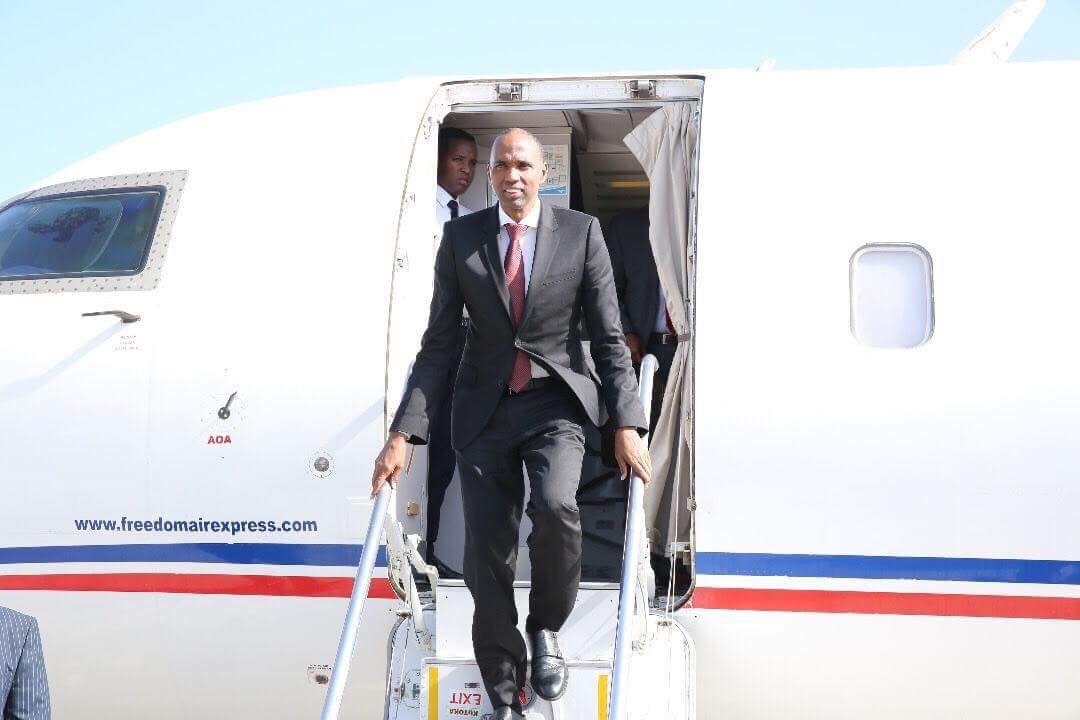
PM KHEYRE USELESS AND COSTY OVERSEAS TRIPS. Full Article
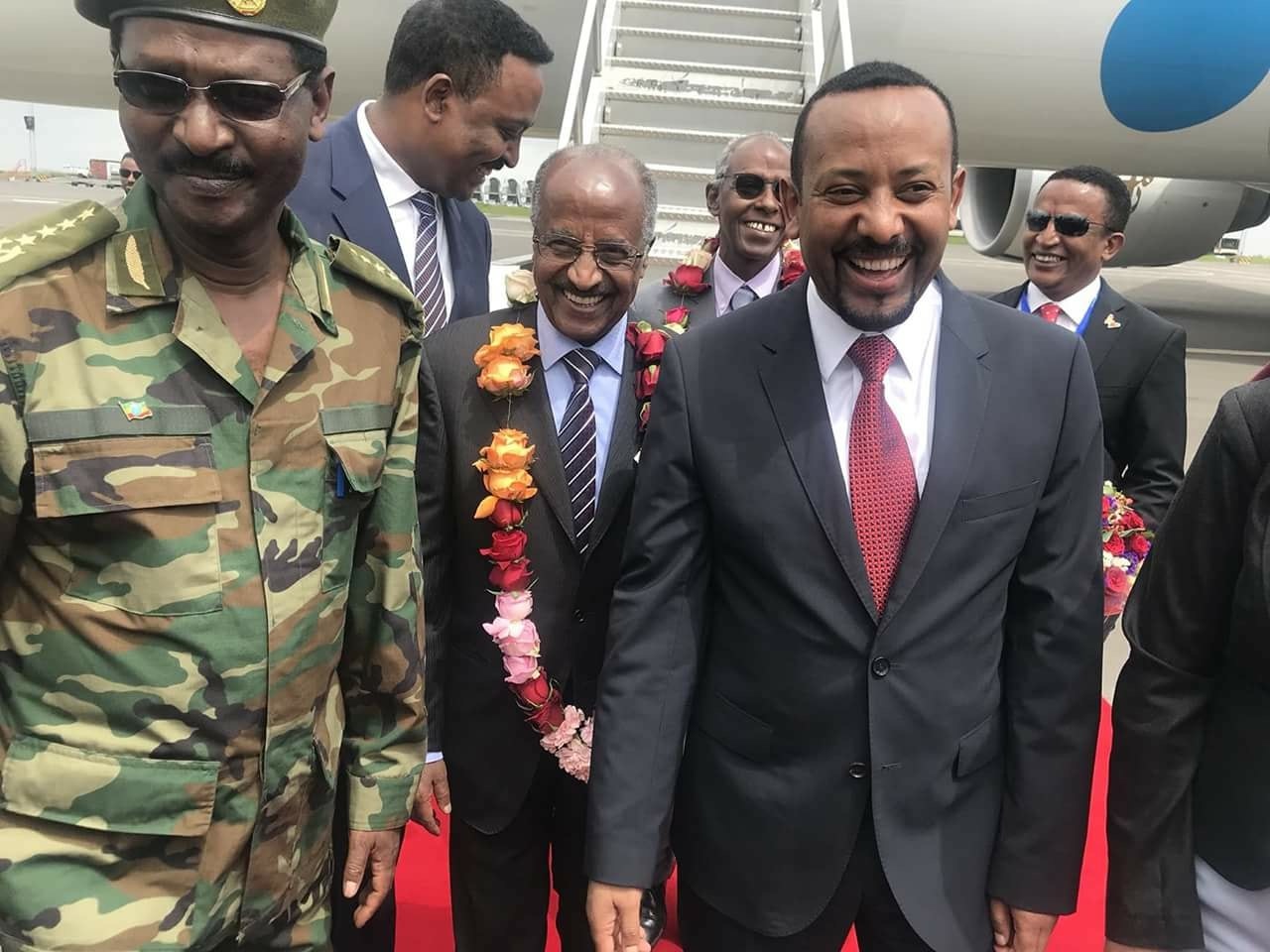
Abiy says 'New Year' will be celebrated in Eritrea, Ethiopian Airlines to resume flights Full Article
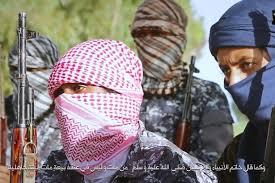
Massive rise in Islamist militant attacks in Africa Full Article

UNDERSTANDING THE NATURE OF ETHNIC CONFLICT IN NORHERN SOMALIA
Social conflict and political violence in Northern Somalia "Somaliland" is a complex subject, and it will be useful to note a few trends in its recent history. Many politicalcommentators suggest that underlying ethnic cleavages are the sour