

 0
0

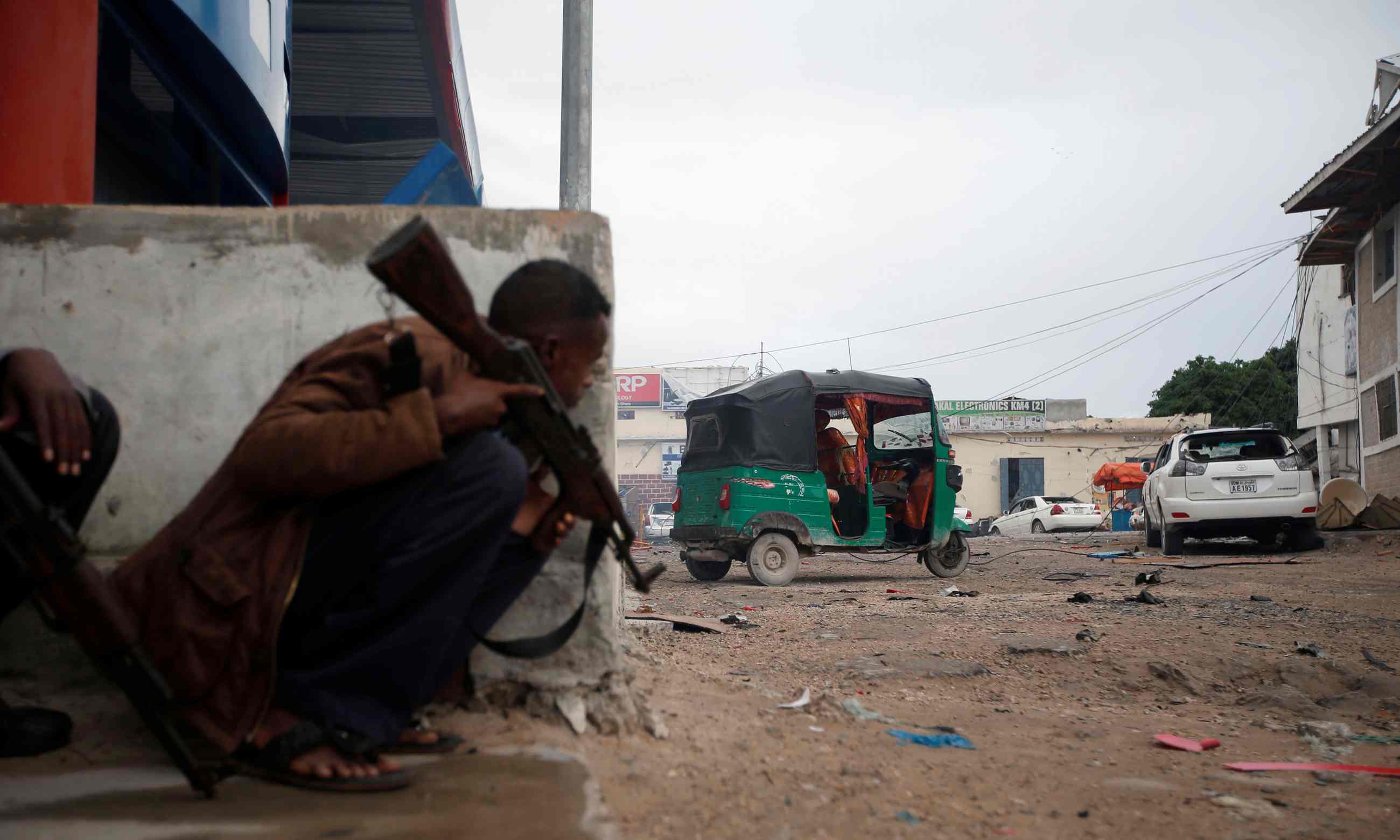

Ahmed*, a Somali journalist, fled to Uganda in 2009 after he was threatened by al-Shabaab militants. He later moved to Kenya, and only returned to Somalia in 2012 after al-Shabaab had withdrawn most of its forces from the capital, Mogadishu. But danger is ever present.
"Al-Shabaab tracks you and then out of the blue they message you, ‘We know you are at your office right now,’” he says. "You can try to protect yourself, but in the end you just pray that nothing will happen.” Since 1992, 59 journalists have been killed in Somalia.
The Islamist extremist militia still casts a shadow over Mogadishu, despite the presence of thousands of African peacekeepers, European troops and soldiers from the ill-equipped and underfunded Somali army.
Ahmed, who was a friend of a 25-year-old businessman killed in a suicide attack on Mogadishu’s Naasa Hablood hotel last month, says: "It was a very painful death as he was deported back from Jeddah [in Saudi Arabia] in 2014 and newly married. He was running his own business and expecting his first child soon.”
After years of chaos – starting with the fall of the dictator Mohamed Siad Barre in 1991 and the ensuing conflict between powerful warlords – Somalia has started to make some progress: elections were held in 2012 and political institutions are slowly being rebuilt. The government last month unveiled its first national development plan in three decades, and limited polls are due to be held in August.
But the security situation remains perilous, even though most of al-Shabaab’s fighters withdrew from the capital in 2011. The militants have resorted to hit-and-run shootings, assassinations and bombings that sow fear in this city on the Indian Ocean.
Last month, there were two assaults on prominent hotels, plus mortar attacks, shootings and assassinations. European soldiers are here to help the army defend the capital: the EU Training Mission (EUTM) has 160 men and women from across Europe deployed in Somalia.
For security reasons, they live in the heavily protected international camp on the outskirts of the city, next to the airport, which sits at the heart of a fortified zone.
Max*, a German army captain, shares Ahmed’s sense of insecurity. "When you drive out of the camp, you have that very strange feeling,” he says. "There is always the threat that something could happen, even though there has not been an attack on us so far.”
Every morning, before the Europeans leave the camp, they are briefed on the agenda and security. Then they put on body armour, take their weapons and travel in armoured vehicles with an escort to the General Dhagabadan training centre.
Getting to work safely is a concern for most people living in Mogadishu. Some Somalis rely on changing their routes regularly while others pay for armed guards.
However, a senior EU official, who spoke on condition of anonymity, says the security situation has improved over the past couple of years, especially since the EUTM’s arrival in the region – to train soldiers in Uganda in 2010 and Mogadishu in 2014.
It is hard to measure what effect the EUTM has had on the Somali soldiers – who will one day have to keep the peace alone. The trainees do not have the knowledge the EU military trainers had expected.
They are poorly equipped – some wear uniforms from Uganda, others have American uniforms, and some show up in civilian clothes and flip-flops. Sometimes, soldiers will be absent for days because they have to be on duty in their regular units or because they haven’t been paid.
For now, the government depends on the African Union (AU) peacekeeping force,Amisom, which has been deployed here since 2007.
Although there are 22,000 troops on the ground, they struggle to seize territory from the militants, and often face devastating losses. In January, al-Shabaab attacked Kenyan soldiers at their Amisom base in El Adde. Somalia’s president, Hassan Sheikh Mohamoud, said more than 200 soldiers were killed, although Kenya has not disclosed casualty numbers.
The EU, which along with the UN is the main donor to Amisom, said this year that it would reduce its contribution by 20%, meaning a salary cut for AU soldiers. Now, Uganda, which contributes more than 6,000 troops to the AU force, has said it will withdraw its troops by the end of next year.
Lt Col Joe Kibet, Amisom’s spokesman, said the Somali army is, "in terms of training, tactics and weaponry, now as good as any national army” and would take over "more and more responsibilities”.
Despite the security situation, Max says the European trainers are making progress. "I can understand that it is difficult for the single soldier to see the big picture when you only stay here for some months,” he says. "But we try to build up this country together with our Somali and international partners, and this takes time.”
*Some names have been changed to protect identities
MOGADISHU — Concerns are growing among Somali intellectuals, civil society organizations, retired military officers, and democracy advocates that Somalia is entering a dangerous period of political instability marked by increasing militarization and shrinking space for democratic participation. The concerns come amid escalating confrontations in Mogadishu and reports of civilian casualties, displacement, and destruction resulting from recent clashes between government forces and opposition-aligned groups. Full Article
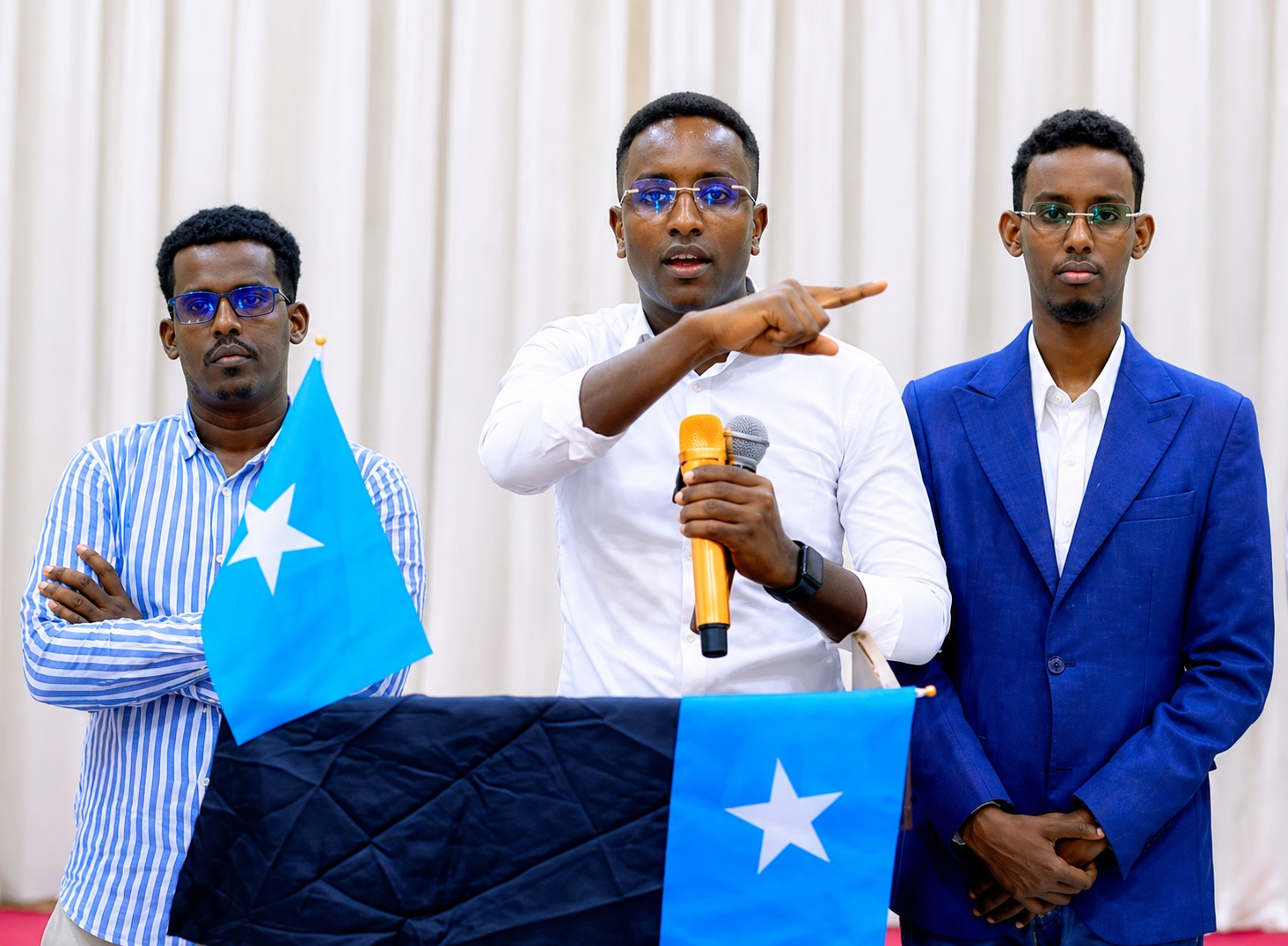
MOGADISHU, Somalia – As Somalia approaches planned demonstrations on June 4, concerns continue to grow over the state of human rights, freedom of expression, and civic space in the country. Full Article
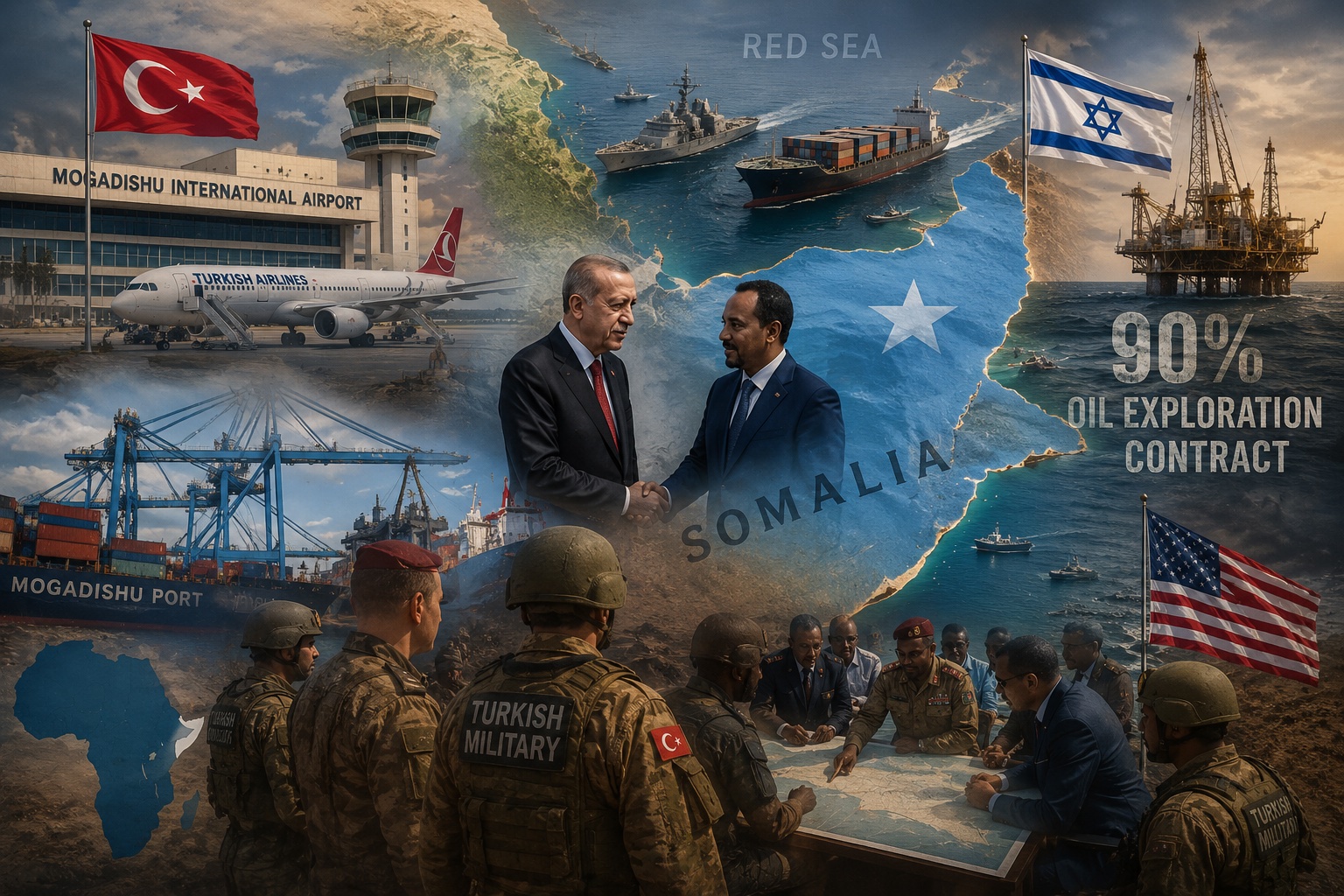
MOGADISHU, Somalia — Turkey's growing political, military, and economic influence in Somalia is increasingly drawing attention across the Horn of Africa and Red Sea region as geopolitical competition intensifies between regional and international powers. Full Article
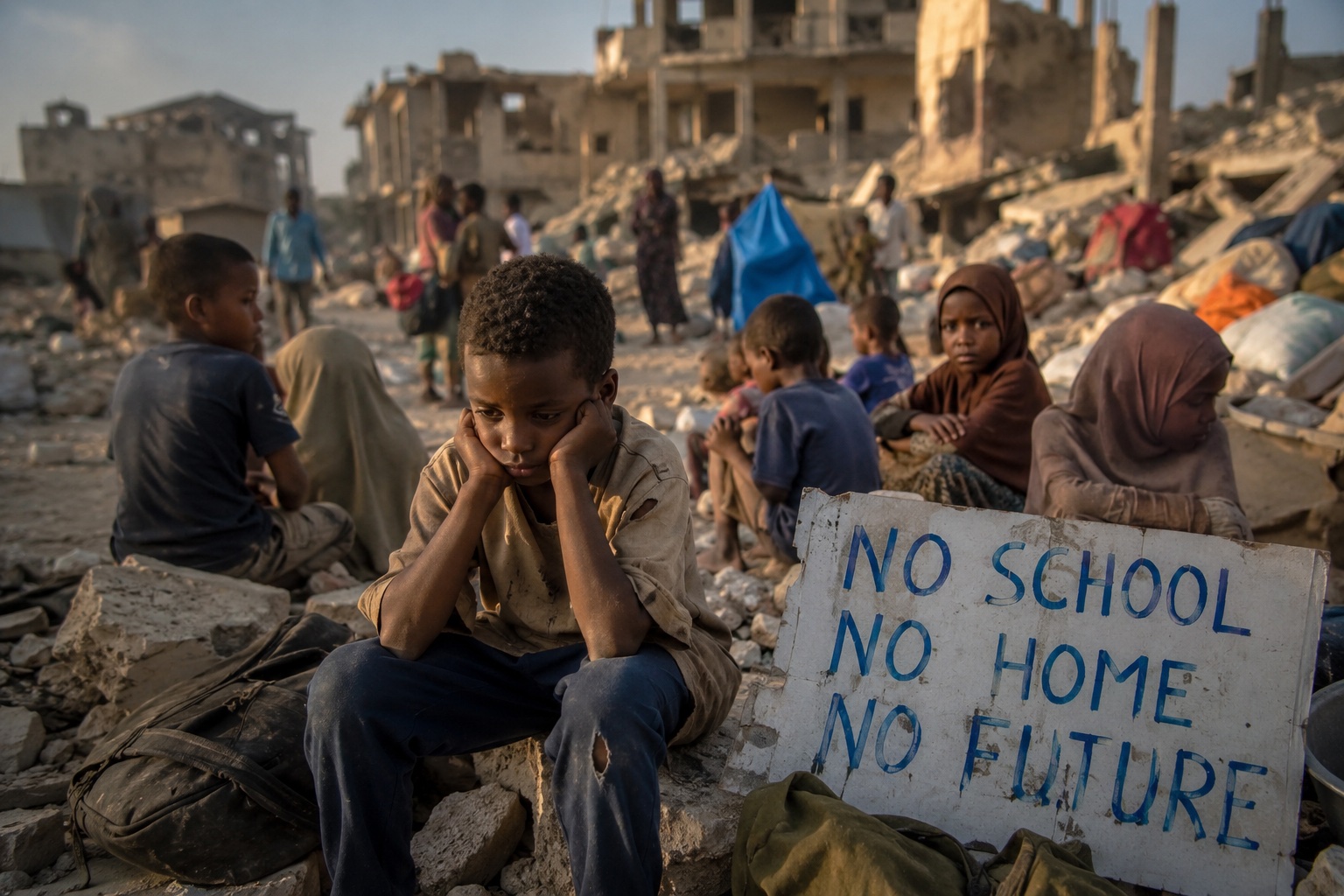
Somalia is facing a deepening humanitarian and political crisis following widespread forced evictions, deadly security operations, and escalating tensions between the federal government and opposition groups. Full Article
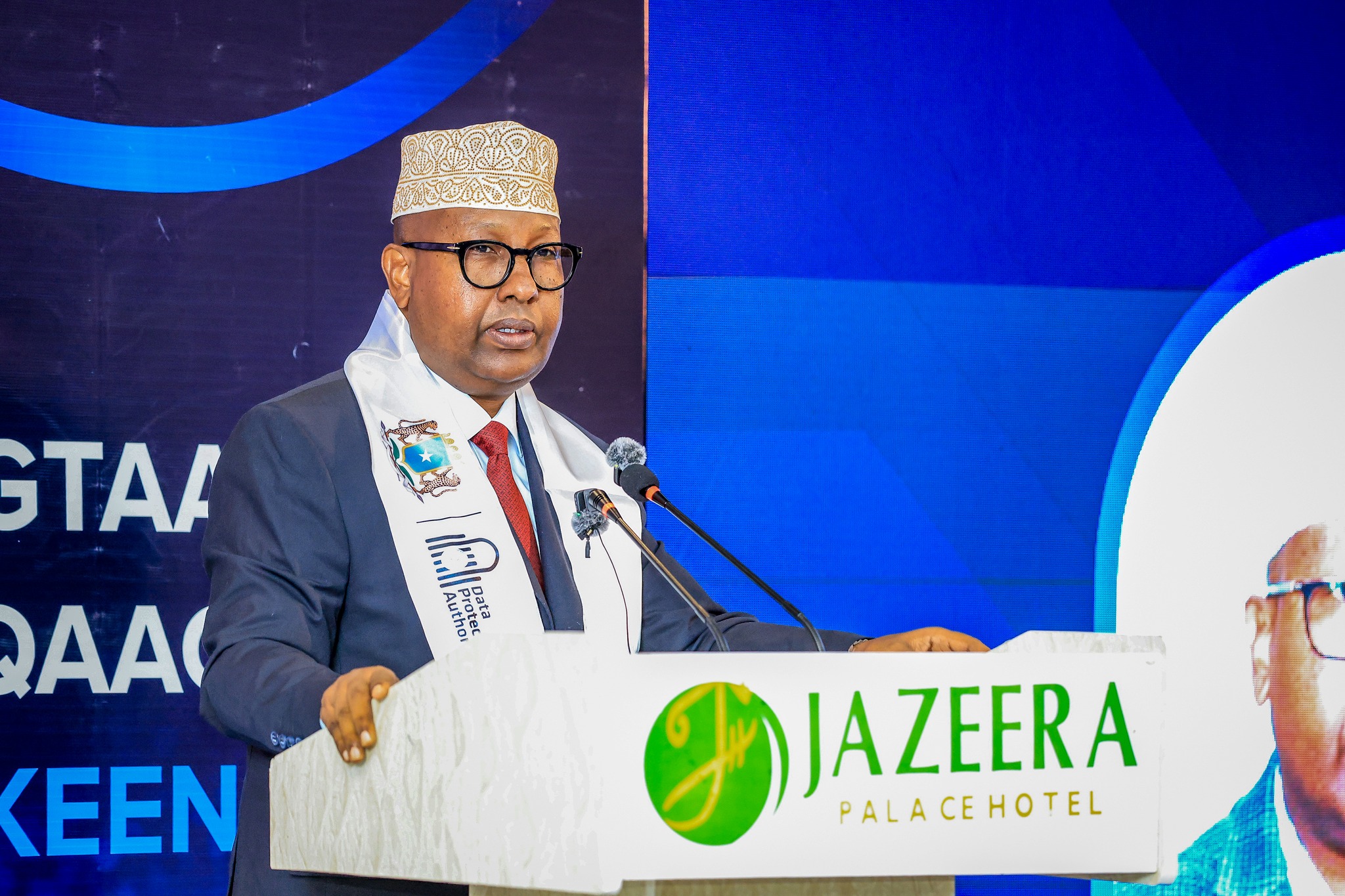
MOGADISHU, Somalia — Somalia's Defense Minister Ahmed Moalim Fiqi has sparked outrage after issuing strong threats against opposition leaders planning anti-government demonstrations in Mogadishu, warning that security forces would respond forcefully to any protests challenging the federal government. Full Article
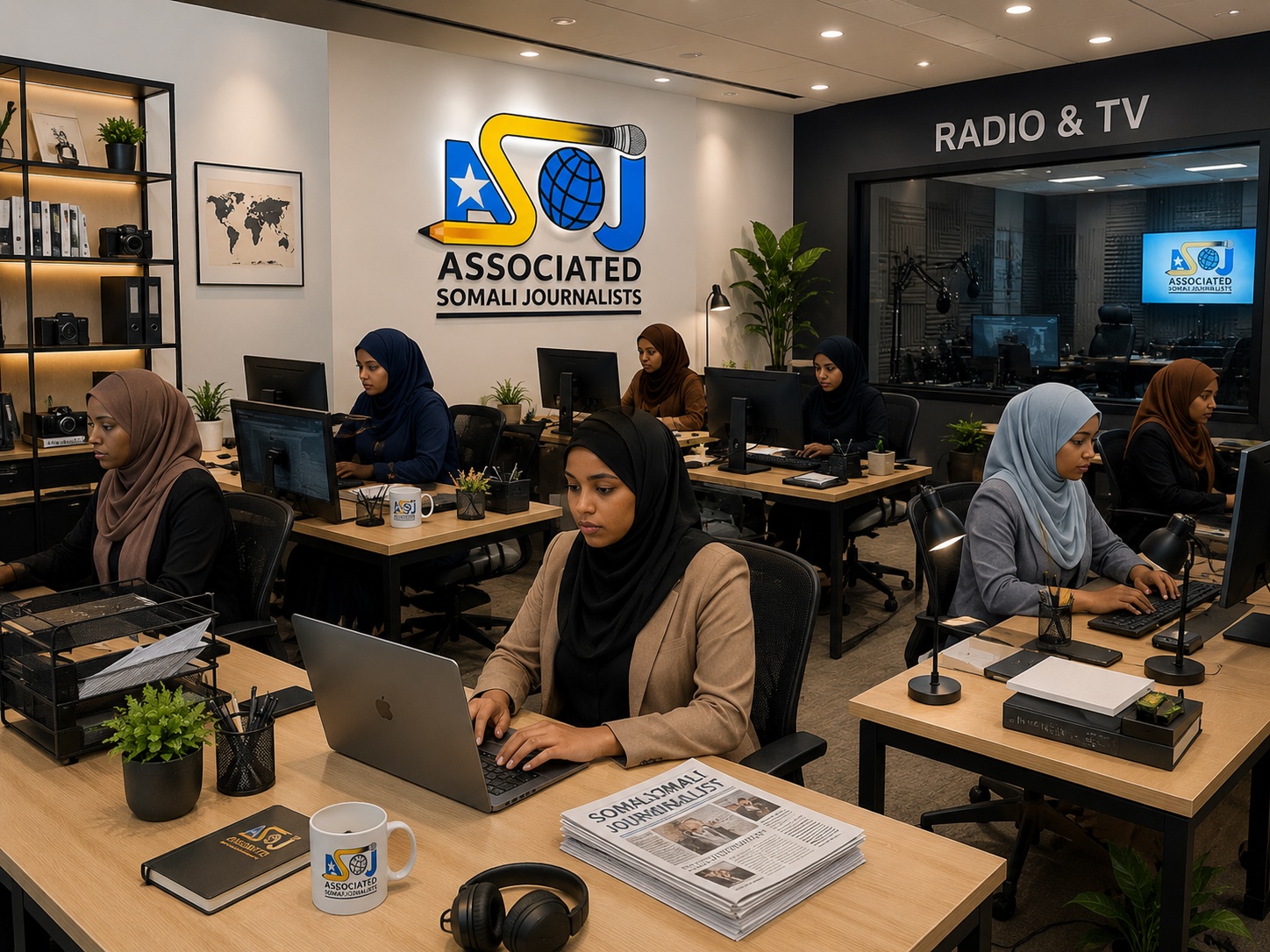
The Associated Somali Journalists (ASOJ) has expressed concern over what it describes as growing pressure, intimidation, and suppression targeting independent media and freedom of expression in Somalia. Full Article
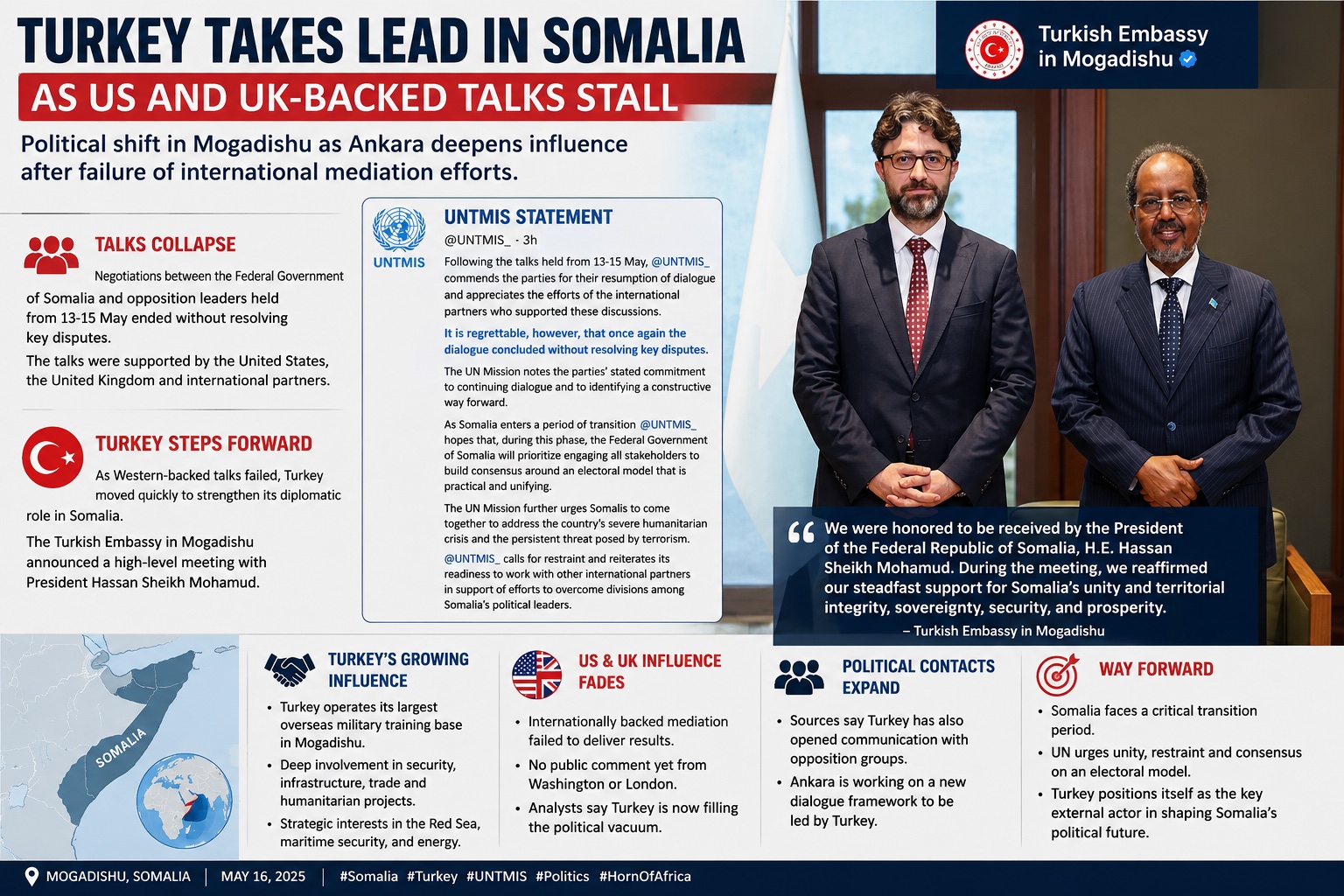
MOGADISHU, SOMALIA — Turkey is increasingly emerging as the dominant foreign diplomatic force in Somalia following the failure of political talks previously supported by the United States, the United Kingdom, and international partners, highlighting a major shift in influence inside Somalia's political landscape. Full Article
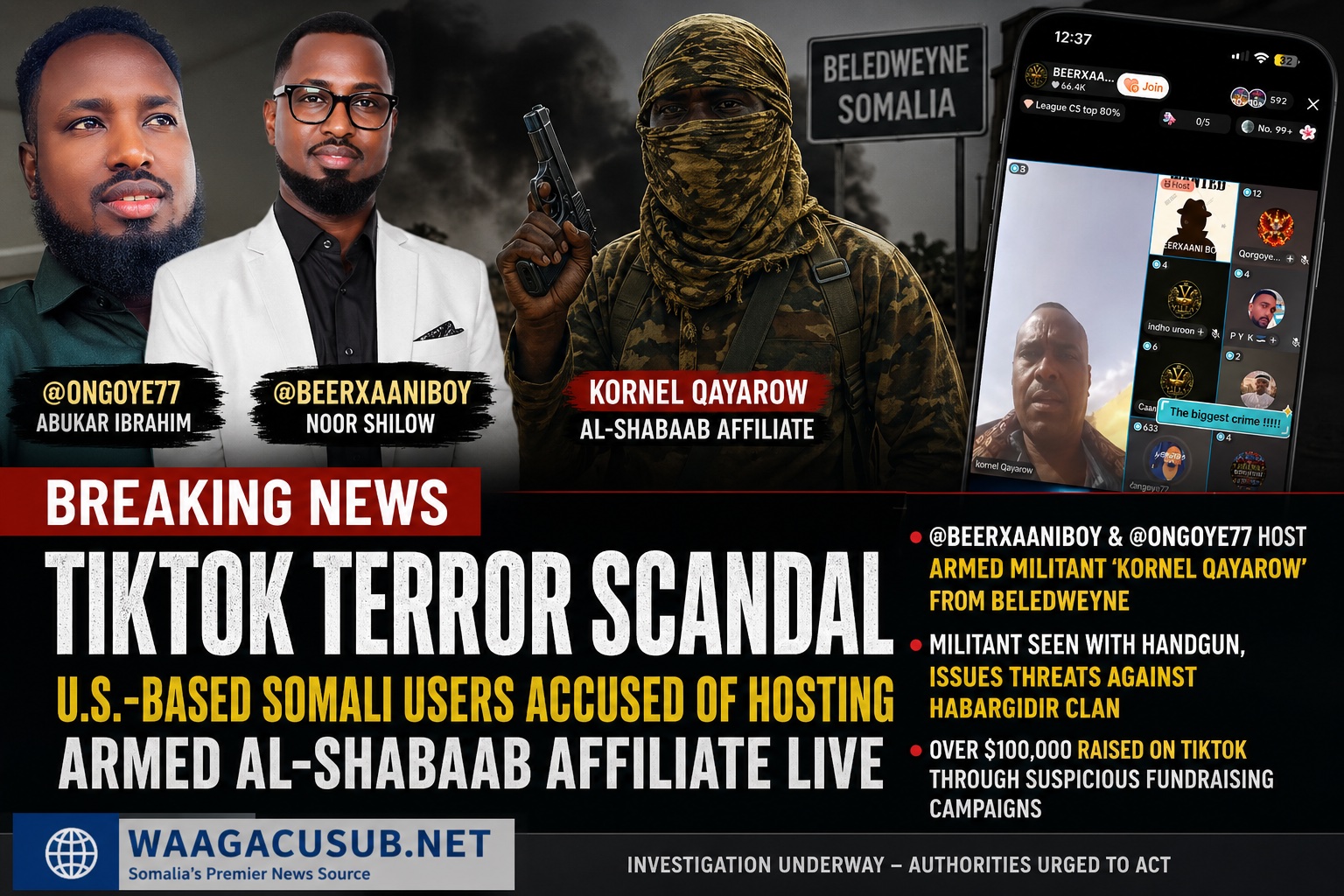
Serious allegations have emerged against two Somali TikTok users reportedly based in the United States, identified by their usernames @BeerxaaniBoy (Noor Shilow) and @Ongoye77 (Abukar Ibrahim), after a disturbing livestream featured an armed individual believed to be linked to the militant group Al-Shabaab. Full Article
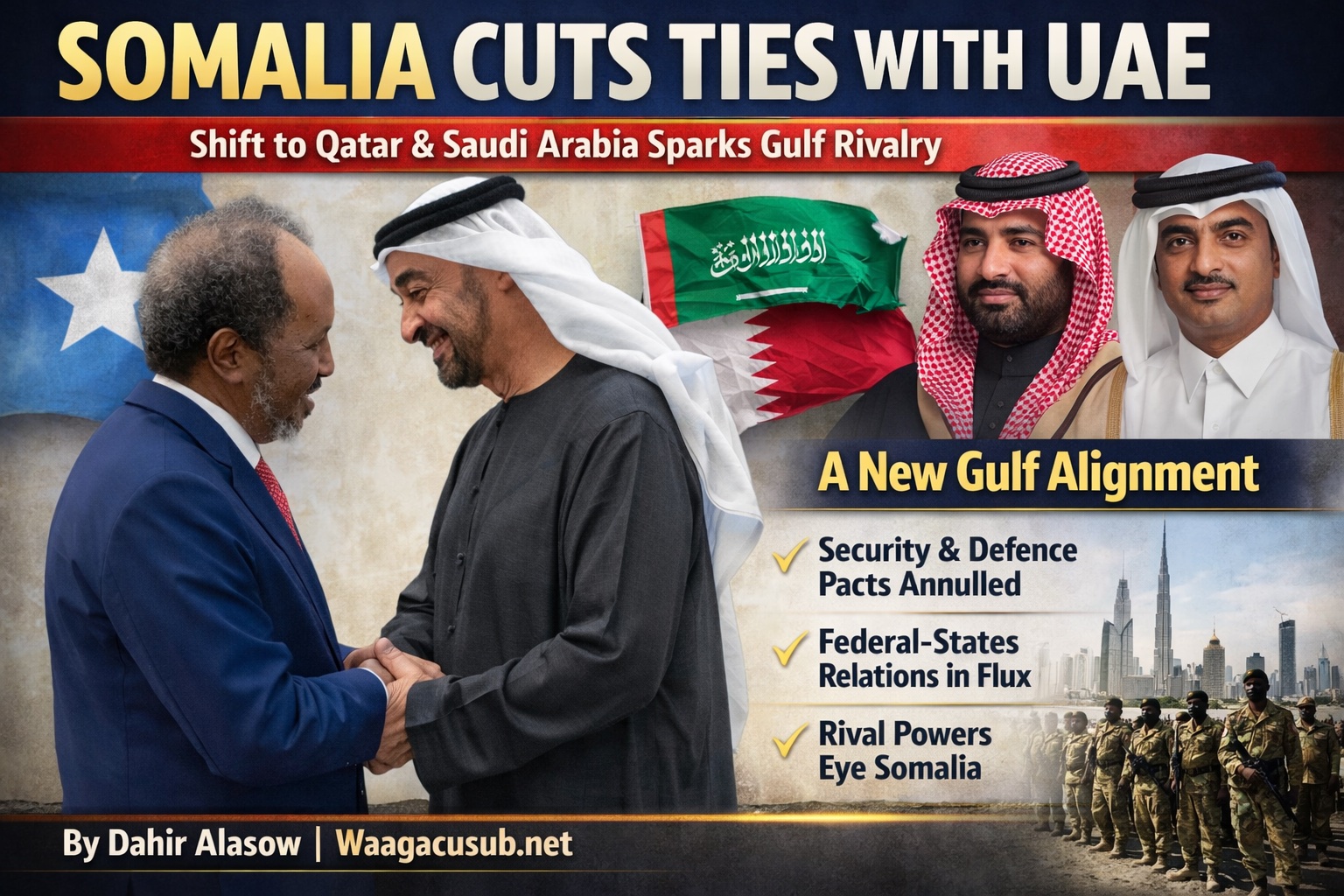
By Dahir Alasow | Waagacusub.net — Opinion / Analysis Mogadishu — The Federal Government of Somalia's decision to annul all cooperation agreements with the United Arab Emirates (UAE)—including security and defence-related arrangements—represents one of the most consequential foreign-policy turns Somalia has taken in years. Full Article
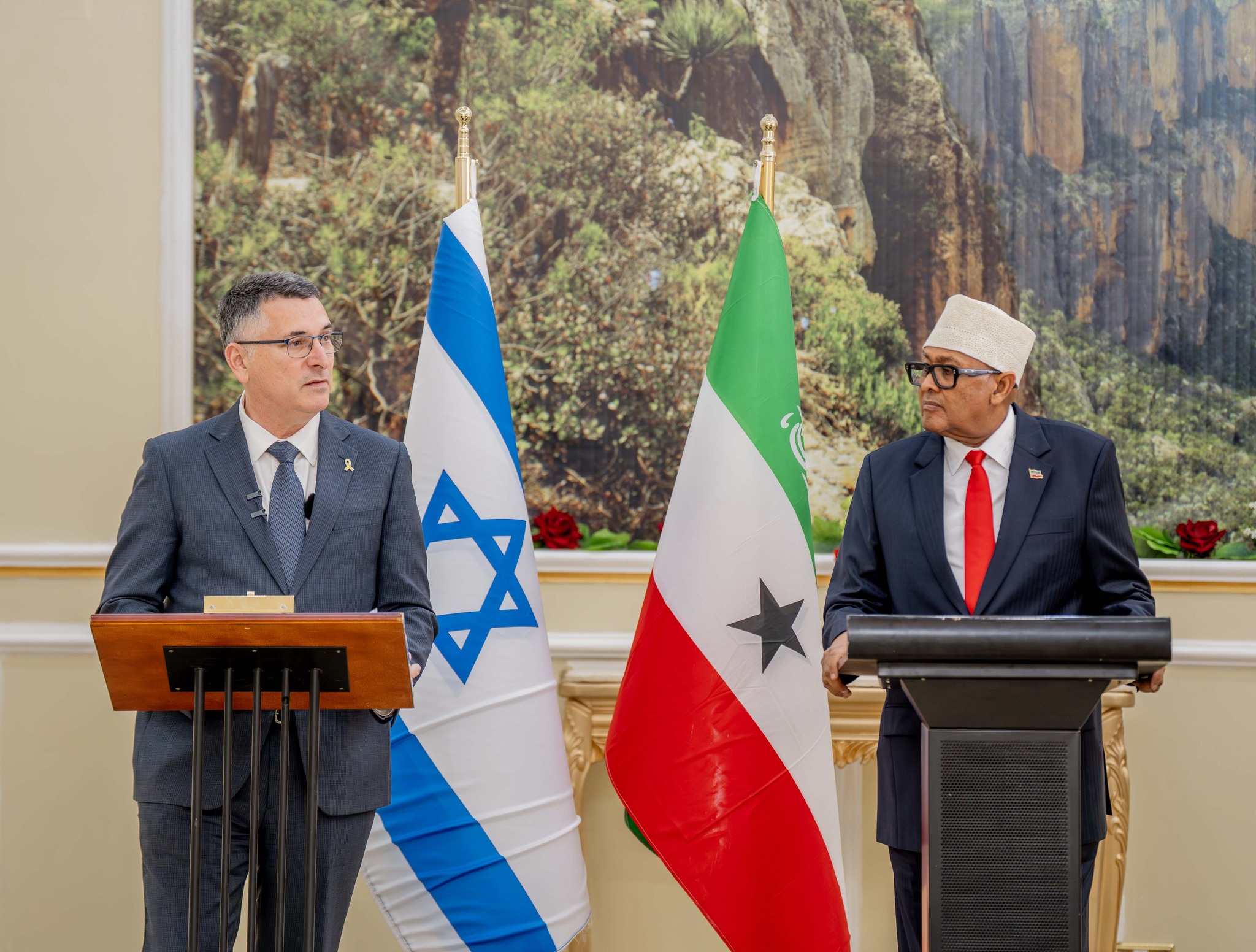
The Federal Republic of Somalia has issued a strong diplomatic condemnation following an unauthorized visit by Israel's Minister of Foreign Affairs to Hargeisa, declaring the move a grave violation of Somalia's sovereignty, territorial integrity, and political unity. Full Article
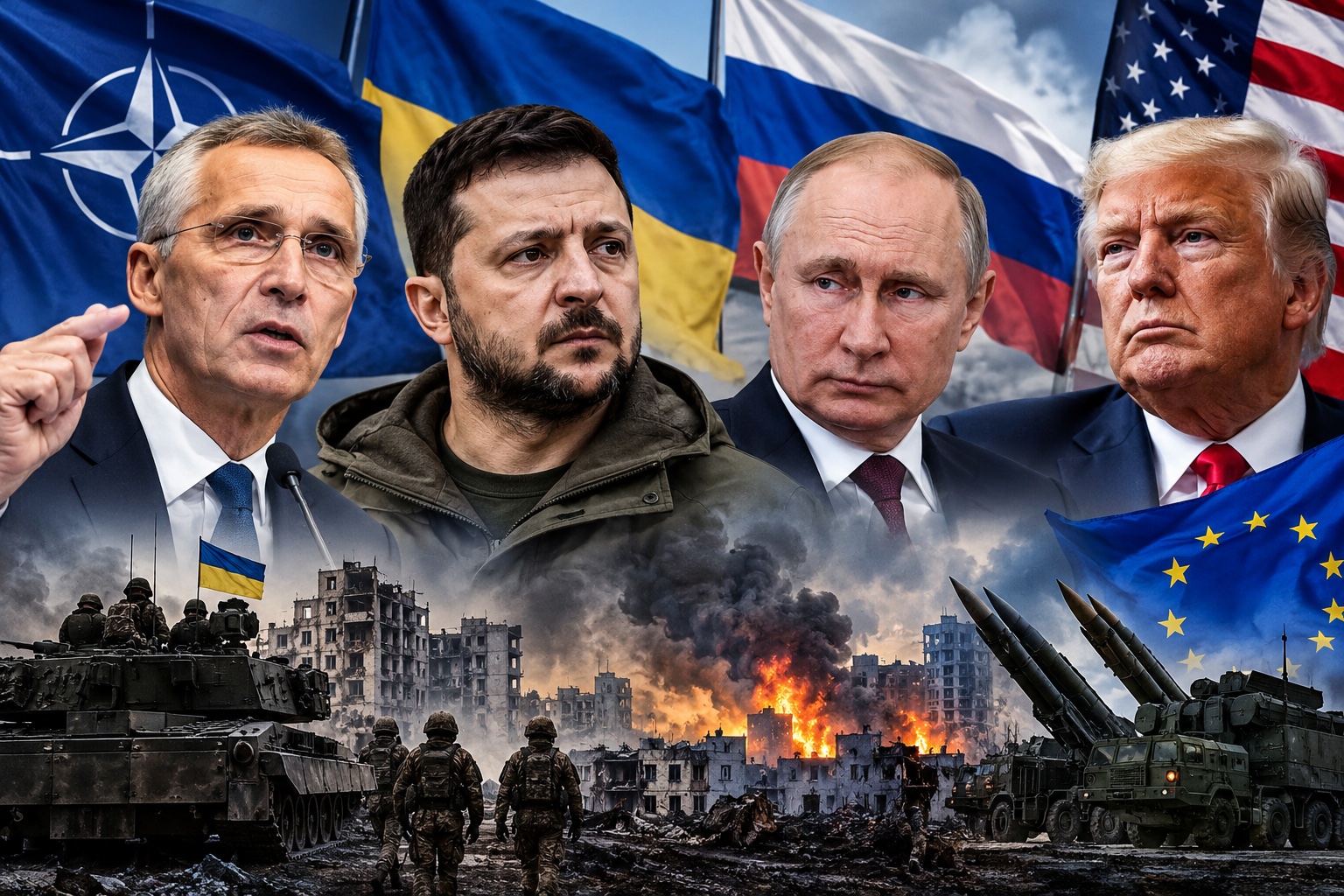
NATO declares its readiness to defend allied territory as the European Union targets nearly 1,600 Russian individuals and companies, while fresh attacks on Ukraine raise doubts about Washington's diplomatic efforts.
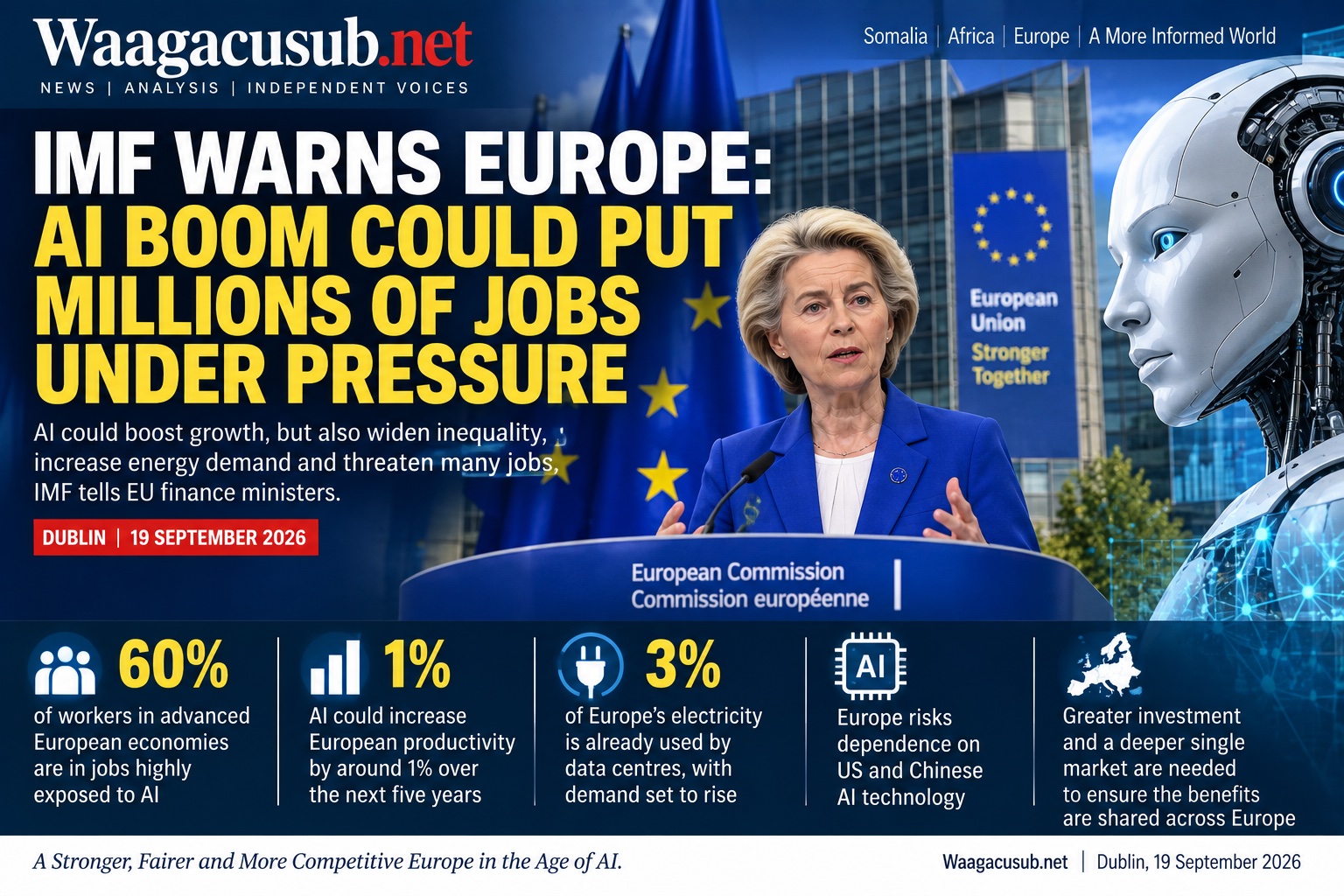
DUBLIN (Waagacusub.net) — The International Monetary Fund has warned European policymakers that the rapid expansion of artificial intelligence could boost economic productivity while also disrupting labour markets, widening inequality, straining electricity networks and increasing Europe's dependence on foreign technology.
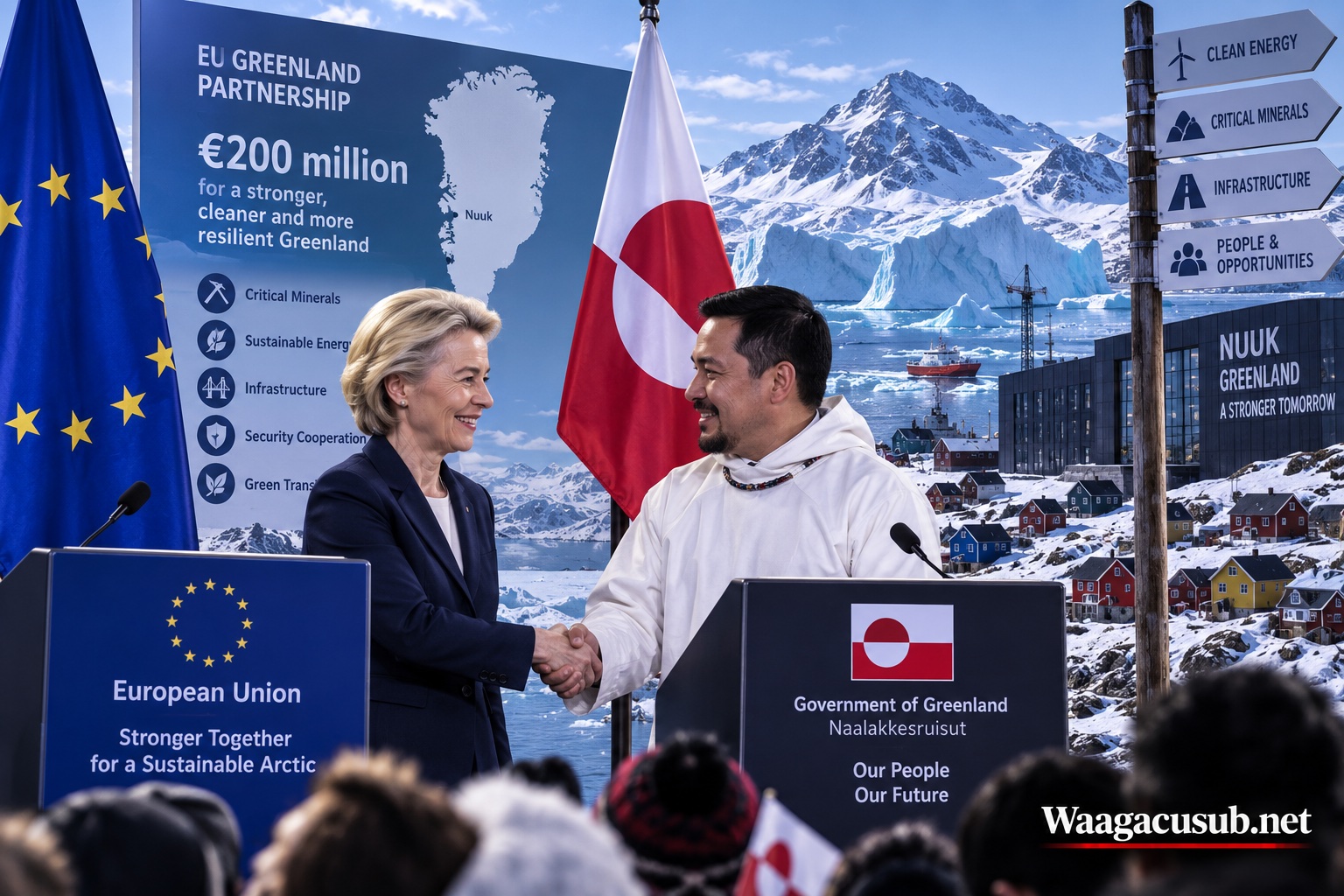
The European Union is dramatically expanding its economic and strategic engagement with Greenland, committing another €200 million as the Arctic island becomes an increasingly important arena of competition over security, critical minerals, infrastructure and geopolitical influence.

MOGADISHU / MINNEAPOLIS — Somali rapper Sharmarke Abdinasir Mohamed, widely known as Sharma Boy, is facing renewed scrutiny following allegations that he used threats, blackmail and sustained pressure to obtain thousands of dollars from a Somali-American woman in the United States.
MOGADISHU — Concerns are growing among Somali intellectuals, civil society organizations, retired military officers, and democracy advocates that Somalia is entering a dangerous period of political instability marked by increasing militarization and shrinking space for democratic participation. The concerns come amid escalating confrontations in Mogadishu and reports of civilian casualties, displacement, and destruction resulting from recent clashes between government forces and opposition-aligned groups.




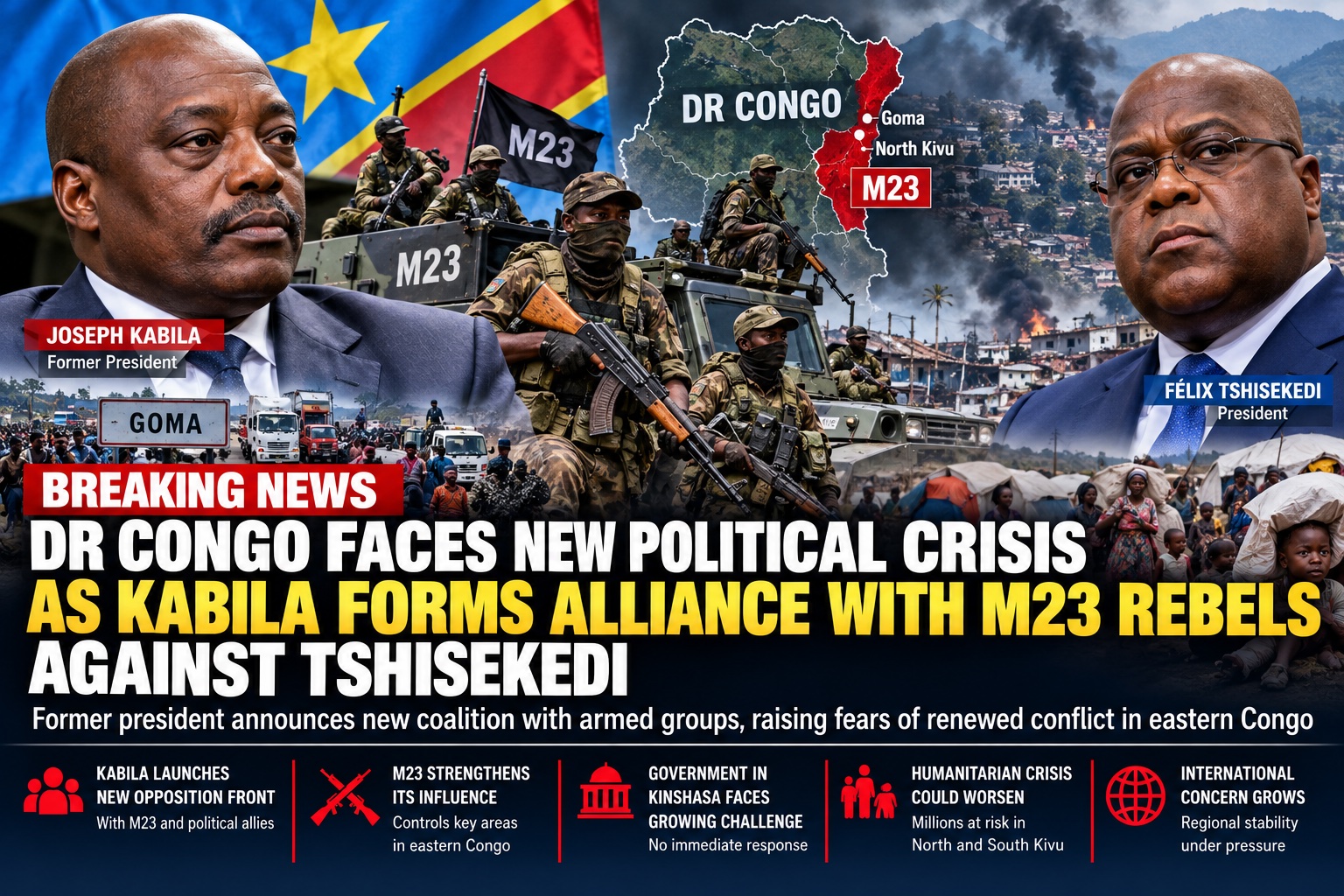
Former President Joseph Kabila announces a new opposition coalition involving armed groups, raising fears of renewed conflict and threatening fragile peace efforts in eastern Congo. GOMA, DEMOCRATIC REPUBLIC OF CONGO — October 13, 2026 The Democratic Republic of Congo is facing a potentially dangerous political and security confrontation after former President Joseph Kabila announced the creation of a new coalition bringing together political opponents and armed groups, including the powerful M23 rebel movement. Full Article

The Somali-American lawmaker denounces the federal investigation as politically motivated, while authorities confirm a court-authorised search amid growing tensions over immigration, congressional independence and the November elections. Full Article
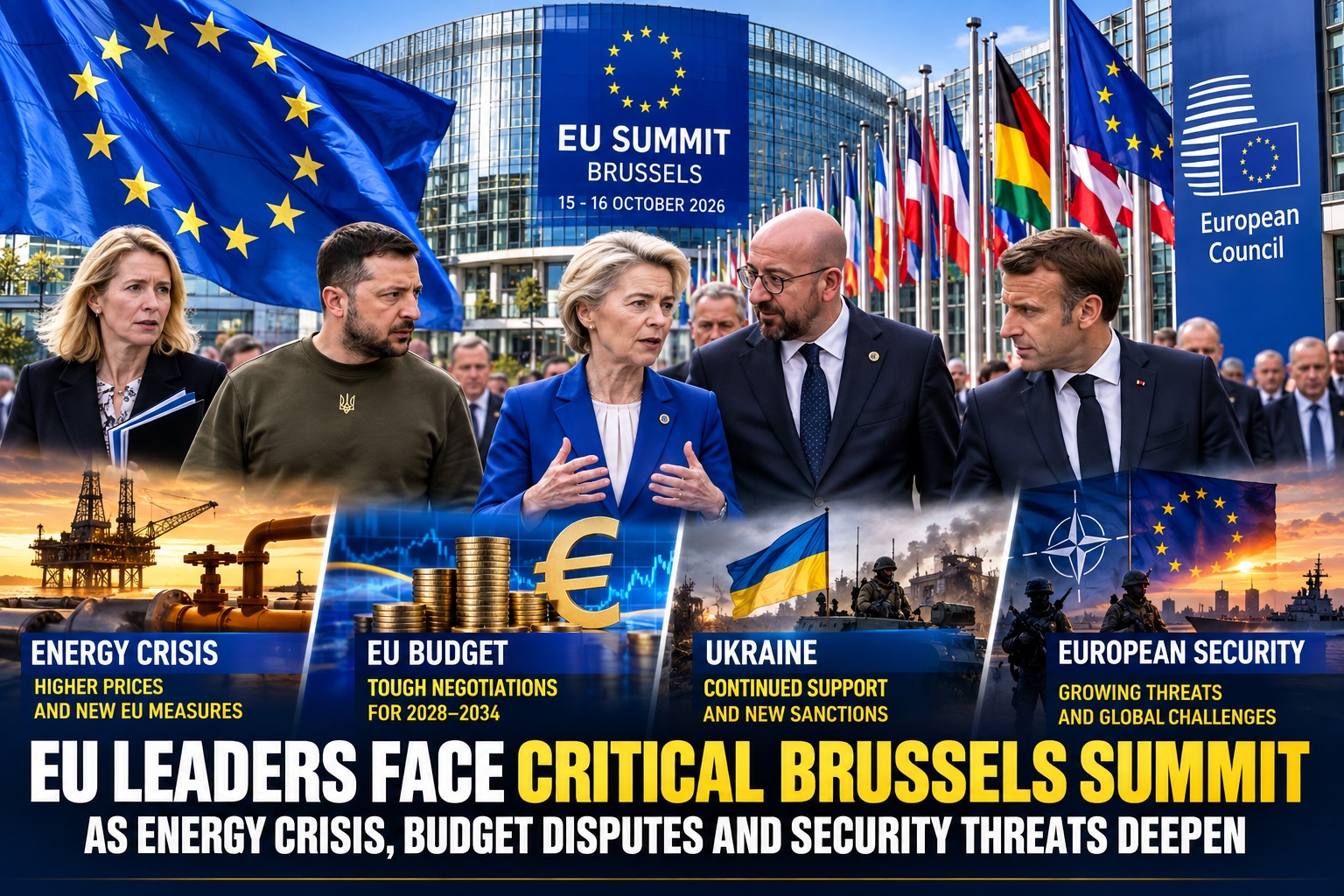
European Union leaders prepare for high-stakes negotiations on soaring energy prices, a controversial long-term budget, support for Ukraine and Europe's economic future. Full Article
NATO declares its readiness to defend allied territory as the European Union targets nearly 1,600 Russian individuals and companies, while fresh attacks on Ukraine raise doubts about Washington's diplomatic efforts. Full Article
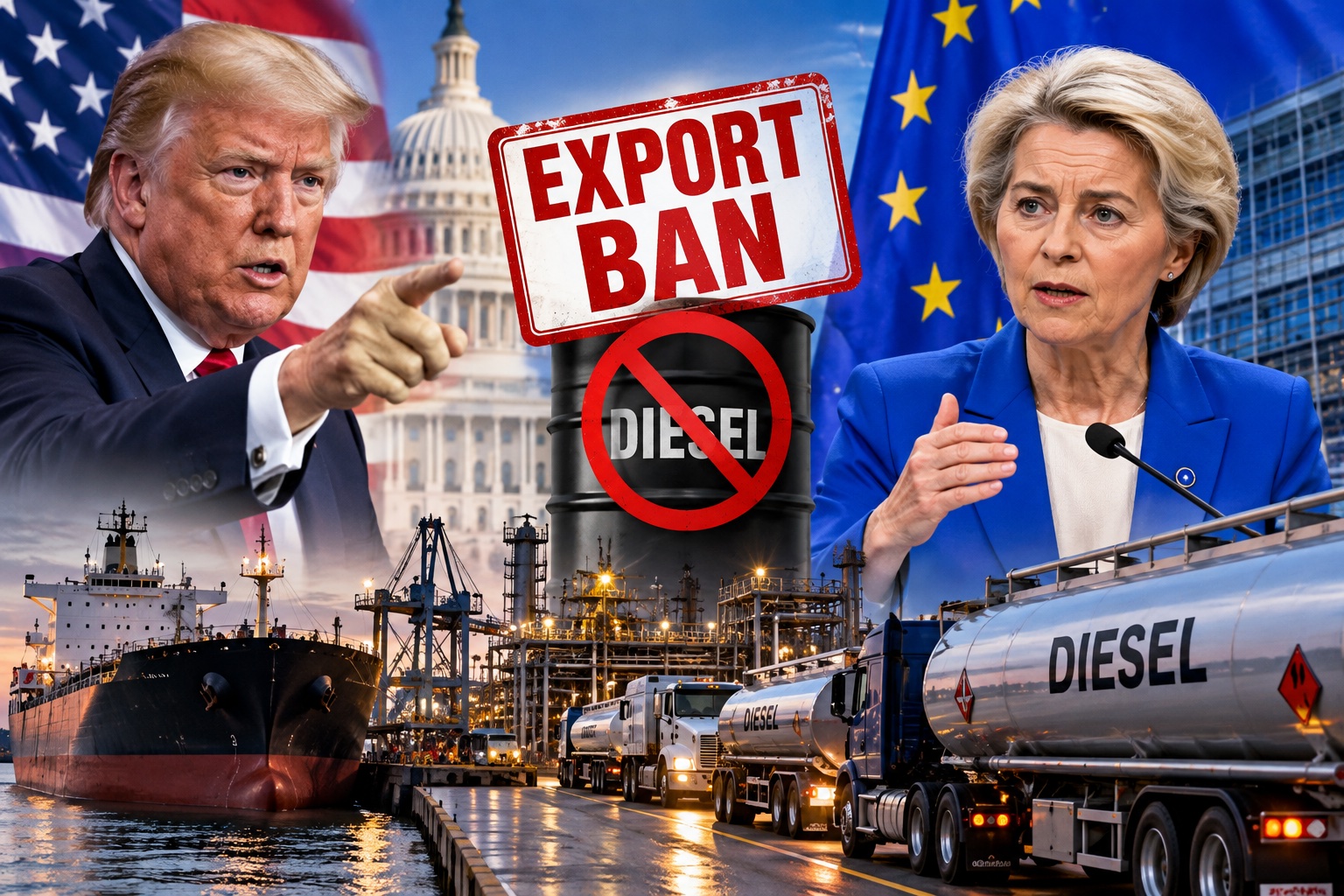
The European Union has expressed concern over reported plans by the United States to temporarily restrict diesel exports, warning that such a move could have economic consequences on both sides of the Atlantic at a time when Europe is already facing elevated energy costs. Full Article
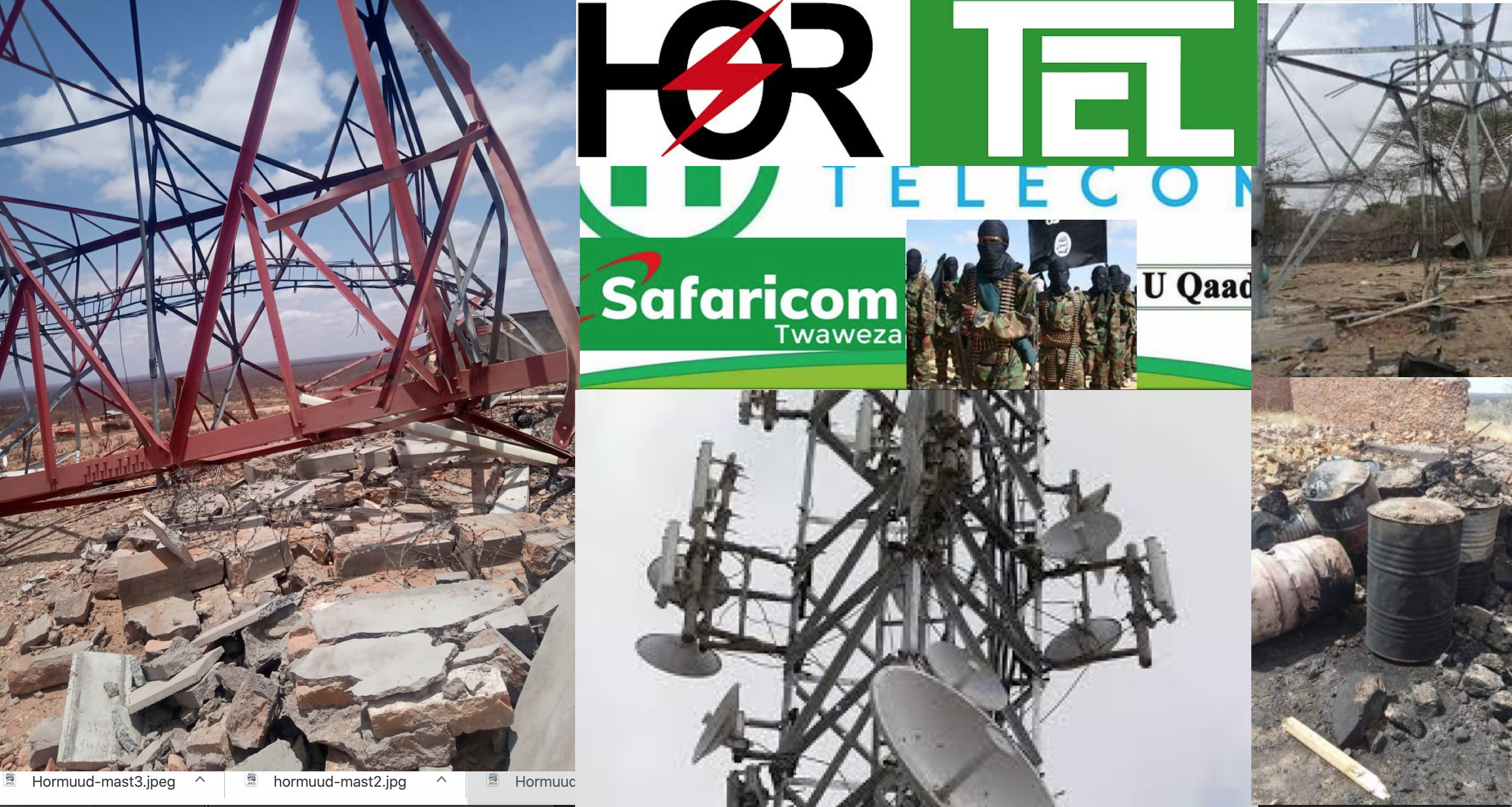
Hormuud's Assault on African Peacekeepers Figure 14: African Peace Keepers Hormuud launched a scorching public campaign against the Kenyan military forces in AMISOM in late August 2019. Full Article
Former Intel official stripped from NISA membership Full Article
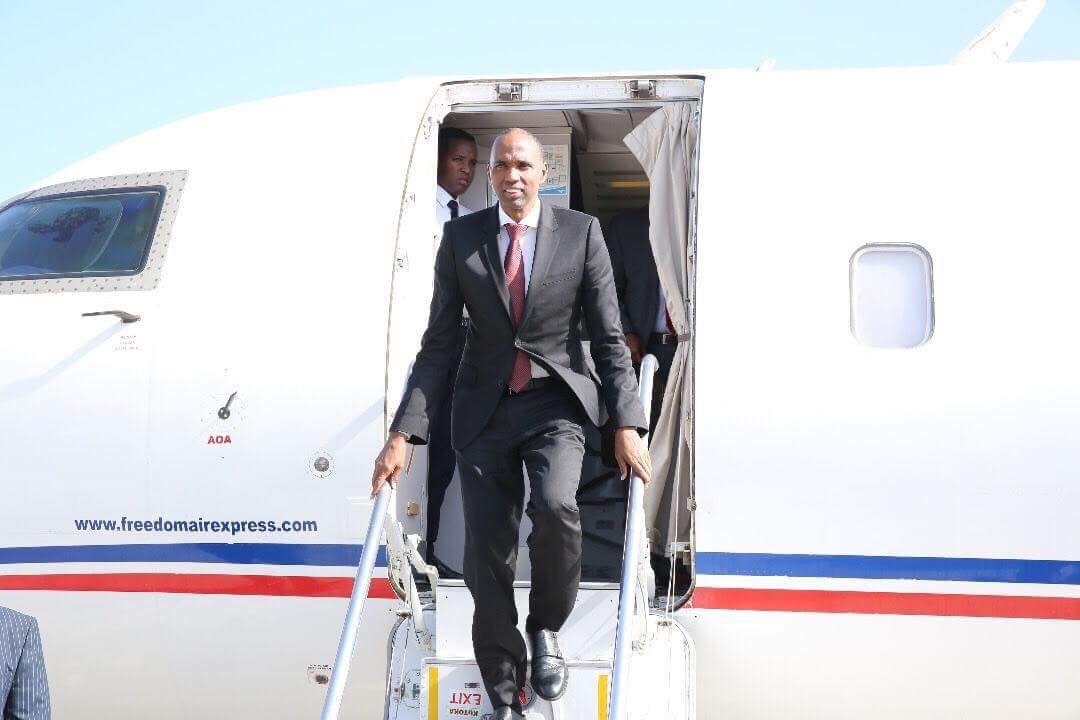
PM KHEYRE USELESS AND COSTY OVERSEAS TRIPS. Full Article
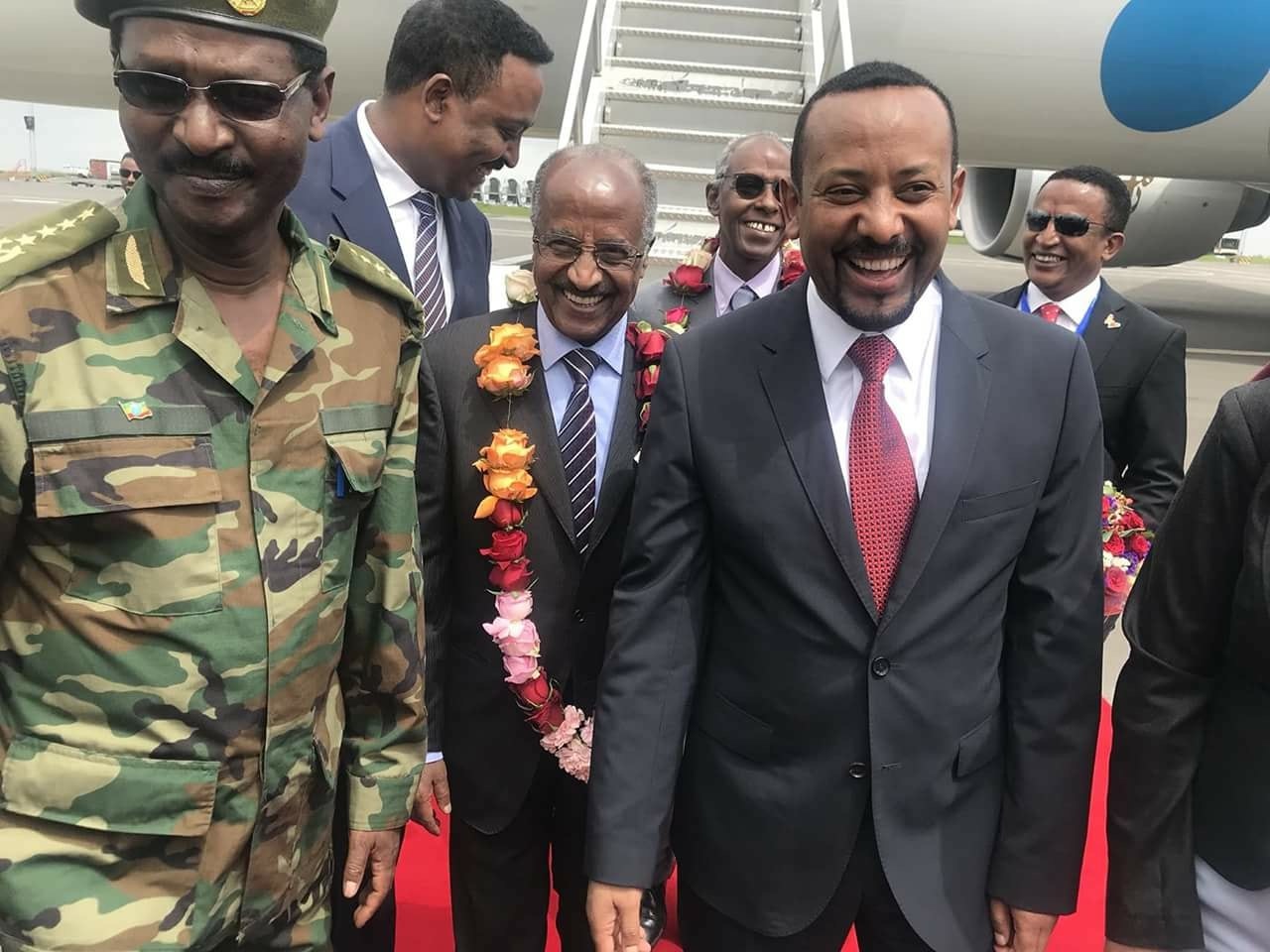
Abiy says 'New Year' will be celebrated in Eritrea, Ethiopian Airlines to resume flights Full Article
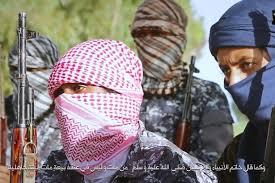
Massive rise in Islamist militant attacks in Africa Full Article
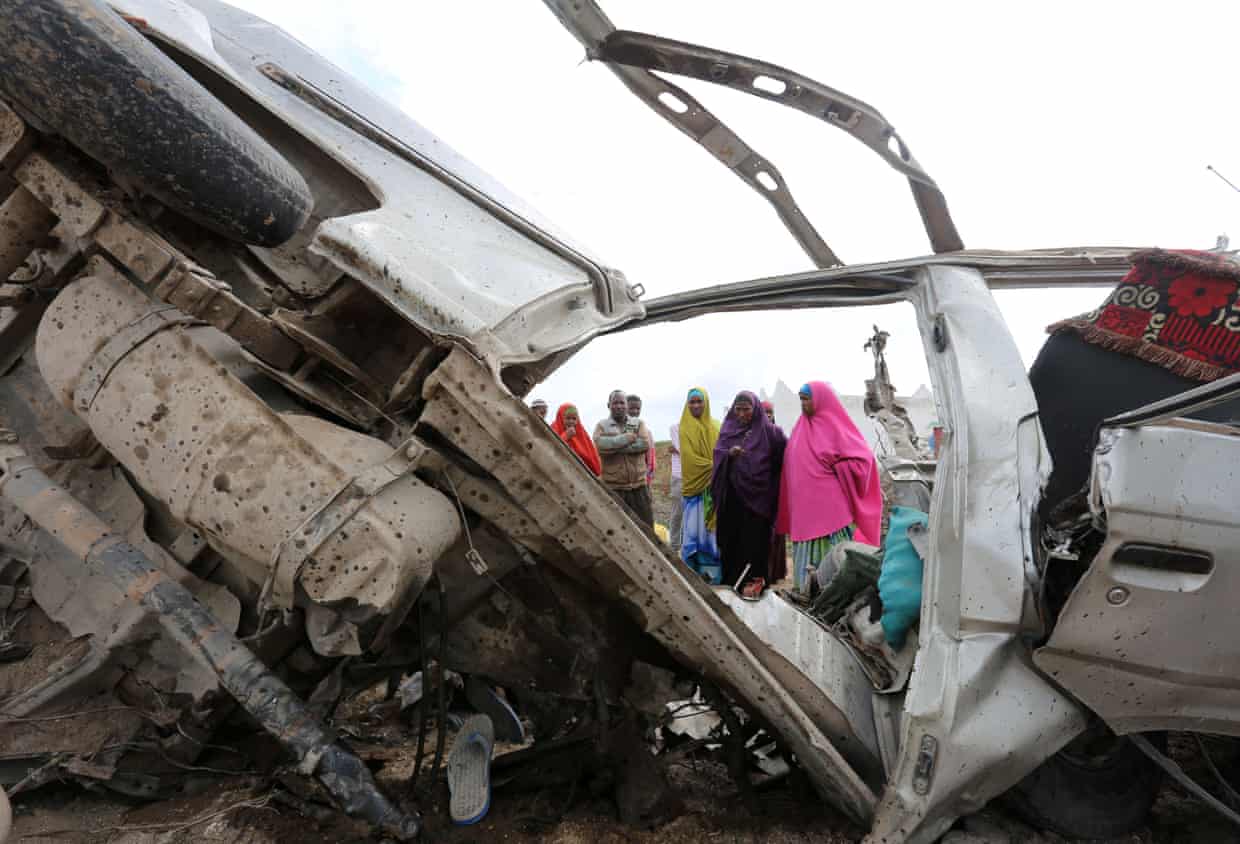
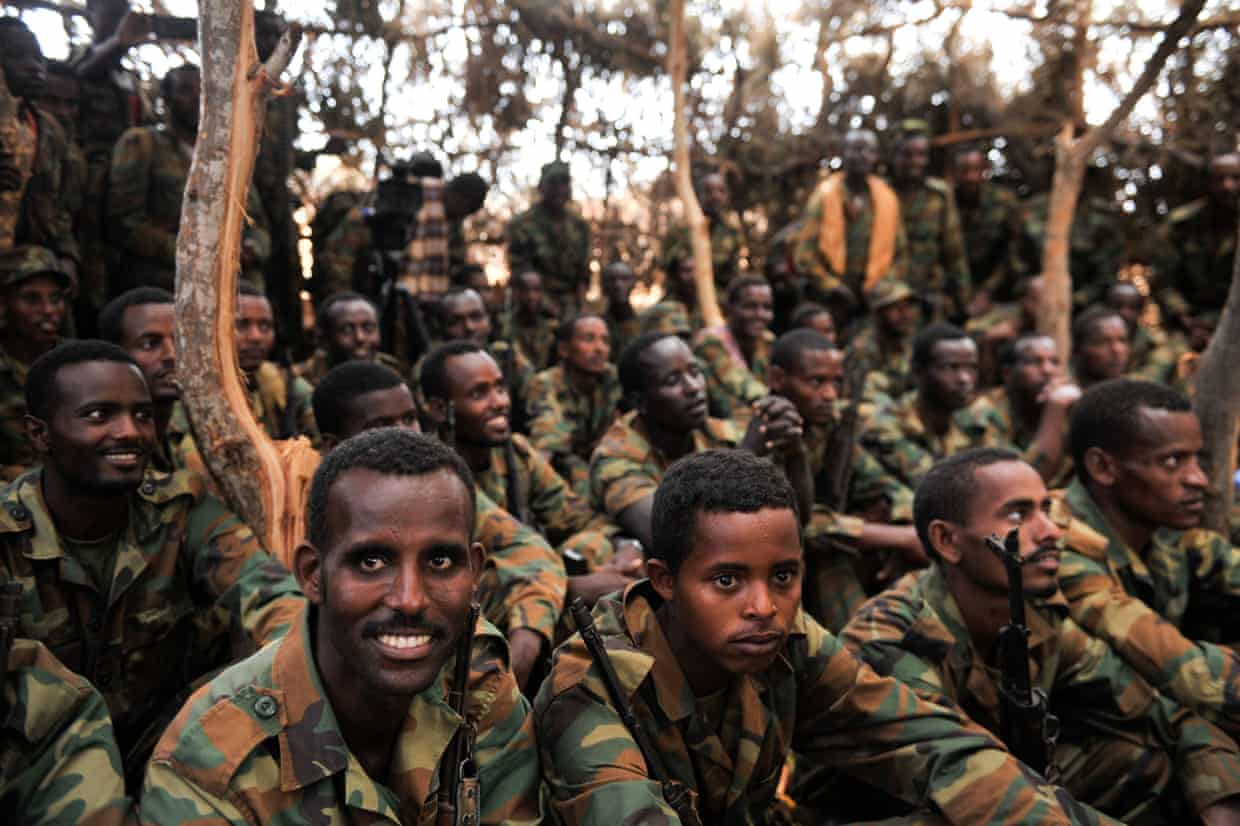


Foreign troops in Somalia struggle to keep al-Shabaab at bay
Waagacusub.net - African soldiers and European military trainers are attempting to ensure peace and enable the Somali army to fight its own battles