

 1
1



The International Crisis Group (ICG) reportof December 19, 2013 on Puntland, the UN Secretary General reportof December 2, 2013 on Somalia, the multilayered Jubbaland State conflicts, the grievances stoked within Digil and Mirifle (DM) community, the outbreak of armed conflicts in connection with State formation in Hiiraan, the escalation of clan self awareness, the pigeonholing of the federal government as a "Mogadishu based government” provide latest evidence.
Furthermore, in an interview with VOA on December 28, 2013, President Ismail Omar Ghelle of Djibouti stated that clan federalism is poison injected in the Somali mind. He expressed his exasperation about the wasted efforts on clan federal politics rather than on peace, reconciliation and nation building. He also disclosed that major foreign powers (exclude Ethiopia and Kenya) are questioning whether Somalis want a state or clan fiefdoms.
The fragmented personalized current governance structure in Somalia is not accountable to any identifiable stakeholders. The Federal Government, the federal member states, the few regional administrations, each one remains without stakeholders-citizens, political units, regions or districts or clan representatives. The standoff between Puntland and Somaliland over Sool, Sanaag, and Aynabo regions is source of conflict. This kind of artificial governance deepens public disillusionment with peacebuilding and statebuilding. With foreign forces deployed in the country, the volatility of the internal situation becomes high.
Because of the encouragement of clan loyalty over state loyalty and of discrimination among citizens as a result of territorial demarcation, clan based federalism (secession) is an insurmountable obstacle to the emergence of sustainable and democratic Somali State that can effectively represent and govern a united Somalia and is able to deliver its essential functions. This condition substantiates the pessimist conclusion of an in-depth study of Dr. Jakkie Cilliers and Professor Timothy Sisk on behalf of the Institute for Security Studies in South Africa, which forecasts that Somalia will remain in its present fragile (ineffective governance) condition after 2050.
As prescribed in the Provisional Constitution, Somalis agreed to transition from clan power sharing formula of 4.5 clans, a temporary bridge, to a political representation based solely on citizenship. But, this strong desire to overcome the injustices, deprivation, and lack of dignity inherent in clan politics is practically supplanted by the persistent pursue of ephemeral sub clan interests with pompous self-adulation. Ironically, the ardent supporters of clan federalism would like to hide clan labels (identification) in public discourse while practicing clan politics under the veil of name location. This duplicity hinders the ability to objectively face and debate the role and influences of clan identity and politics within the Somali society.
During the conferences for the formation of the federal member states in a designed area, minority sub clans are invitees (not citizens) of the majority sub clan for recognizing unconditionally the supreme power and permanent leadership of the majority sub clan. That relationship annuls the rationale and meaning of the concepts of citizenship, representation, and of equal opportunity stipulated in Articles 11 (equality), 46 (the power of the people), 47 (the electoral system and political parties), and 61 (responsibilities of members of federal parliament) of the Provisional Constitution. These constitutional articles, intended to eliminate the feelings of clan differences and discrimination, constitute the foundations of the social contract between state and society as individuals. The clan federalism (secession) establishes that the replacement of any federal state leader with an individual from the minority sub clans in the area would be seen as a curse and would inflame political turmoil.
To define the political representation, article 46 (the power of the people) stresses that "public representation system shall be open and shall give everyone the opportunity to participate with simple and understandable rules and procedures.” What is more important, the article makes clear the commitment that "people’s representation system shall be able to satisfactory and reasonably prevent any crises that may arise as a result of political contests and election results.”The understanding, internalization, and practice of this constitutional provision are key to the long term peace and stability of Somalia.
The people, political, traditional, and security leaders, as well as former president Abdurahman Mohamed Farole of Puntland deserve high praise for the peaceful and transparent Puntland presidential election which took place on 8thJanuary in Garowe. But the thrilling event or experience does not provide answers to the complex problems in public domain. The campaign speeches, public comments, and Ambassador Nicholas Kay’s high profile intercession in Puntland affairs offer preponderant hints of the explosive political climate, social grievances, security, social, and economic problems that grip the area.
The open textured articles 48-54 of the Provisional Constitution on federalism are contingent on the preceding 47 articles which are the bill of rights and the fundamental principles of the Somali State at all levels. The talk of statebuilding will be illusory if political leaders, national institutions, the public at large, and the international community are oblivious to the primacy of the rights and principles listed under those articles.
In his analysisof the Provisional Constitution of Somalia, Professor Antonios Kouroutakis noted the open textured articles on federalism. While he declared "that the Provisional Constitution could be the organizational basis of a peaceful and prosperous Somalia,” he cautioned that "the ambiguous and imperfect formulation of key principles of Somali federalism may contain the seed of future tensions, conflicts and instability, which have plagued the country for years, if not decades.” Unfortunately, the forewarning of the professor has materialized.
The strategy and policy of the Federal government on the subject remains murky. Early on, President Hassan articulated clearly and convincingly the federal government’s views on the process for the implementation of "federalism” and "nationalreconciliation” on the basis of the Provisional Constitution. After IGAD rejected the regional and district stabilization plan, in September 2013, President Hassan convened aVision 2016 Conference in Mogadishu. The conference reminded the leaders of the federal government that the roadmap for constitutional review and finalization, and the legislation of political representation, is detailed in the provisional constitution for reference. As a guiding criteria for the Boundaries and Federation Commission yet to be established, the conference recommended that the federal units (states) should be based on economic viability, demographic diversity, and geographic integrity. Additionally, for whatever reasons and for long time, the Federal Parliament remains reluctant to tackle the constitutional ambiguity left behind by the Transitional Federal Government and the United Nations Political Office for Somalia (UNPOS). This dithering allowed UNSOM to take over the leadership role of the Somali political system.
The transient Addis Ababa Agreement between the Federal government of Somalia and Ahmed Mohamed Islam (Ahmed Madobe) -President of Jubbaland State- has generated new dynamics that could affect the Somali political calculus and divert attention from the important goal of defeating terrorism for statebuilding. The agreement has set the stage for the establishment of a line of communication and power politics running through Mogadishu-Kismaio-Nairobi-IGAD-Jigjiga-Addis Ababa. This new center power is gaining attention in the circles of the Somali politics.
Another dynamic has reinforced the view that the neighboring countries are determined to implement clan federalism in Somalia without legitimate democratic process and against the manifested aspirations and interests of the Somali people. In his interview, president Ismail has hinted that the neighboring countries are united on fighting against Al Shabab but divided on the approach to statebuilding and governance in Somalia.
Not less troubling dynamic has forced the DM community, betrayed, ignored or shortchanged by the federal Government, UNSOM, Kenya and Ethiopia, to start a process for establishing a new federal member state with six (6) regions: the three (3) regions of Jubbaland State plus Bay, Bakol, and Lower Shabelle regions. The process blessed by the Speaker of the Federal Parliament Mohamed Sheikh Osman Jawaari has run into trouble when former dealmaker Speaker of the Transitional Federal Parliament Sharif Hassan Sheikh Adan insisted on limiting the regions of the DM federal state to three (3) in order to gain the support of Ethiopia, UNSOM, and the federal government (the president). After fierce opposition, Sharif Hassan engaged a public campaign through national and international avenues and appealed to the international community and President Hassan for support and intervention. President Hassan came out in his support and warned the participants of Baidoa conference not to interfere with Jubbaland State; otherwise the federal government will not recognize nascent DM state. It is possible that the federal government will ultimately sign an agreement with Sharif Hassan as head of the New Federal Member State through the mediation of Ethiopia as in the case of Ahmed Madobe. For the moment, the six regions plan is moving forward and Speaker Jawaari did not comment on the latest development.
In conclusion, it is incomprehensible that some Somalis support clan federalism (secession) for social diversity motivations when Amhara, Tigray-Tigrinya, and Oromo ethnics of Ethiopia accepted Somalis as one homogenous ethnic group. The consensus is that clan federalism perpetuates the fertile conditions for all sorts of criminal activities and political conflicts.
Two things must be clear to Somalis: the future of young generation is grim and clan federalism (secession) is not a solution to conflict management and prevention, national unity, economic development, and regulation of power and resource competition. Somalia needs indigenous well-structured political dialogue for binding resolutions, dispensation of justice and fairness, transparent and accountable system of governance at all levels.
Mr. Mohamud M Uluso
MOGADISHU — Concerns are growing among Somali intellectuals, civil society organizations, retired military officers, and democracy advocates that Somalia is entering a dangerous period of political instability marked by increasing militarization and shrinking space for democratic participation. The concerns come amid escalating confrontations in Mogadishu and reports of civilian casualties, displacement, and destruction resulting from recent clashes between government forces and opposition-aligned groups. Full Article
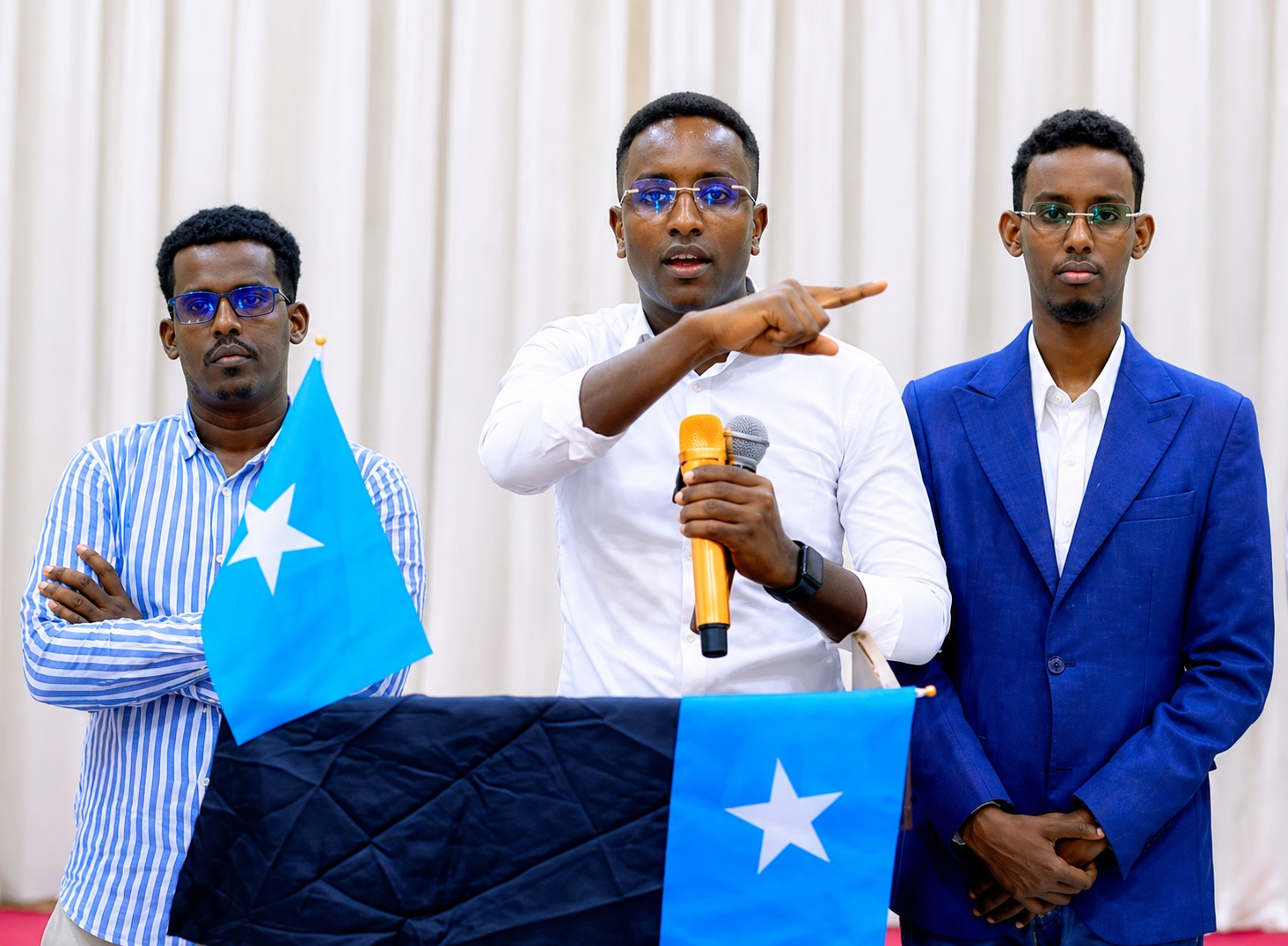
MOGADISHU, Somalia – As Somalia approaches planned demonstrations on June 4, concerns continue to grow over the state of human rights, freedom of expression, and civic space in the country. Full Article
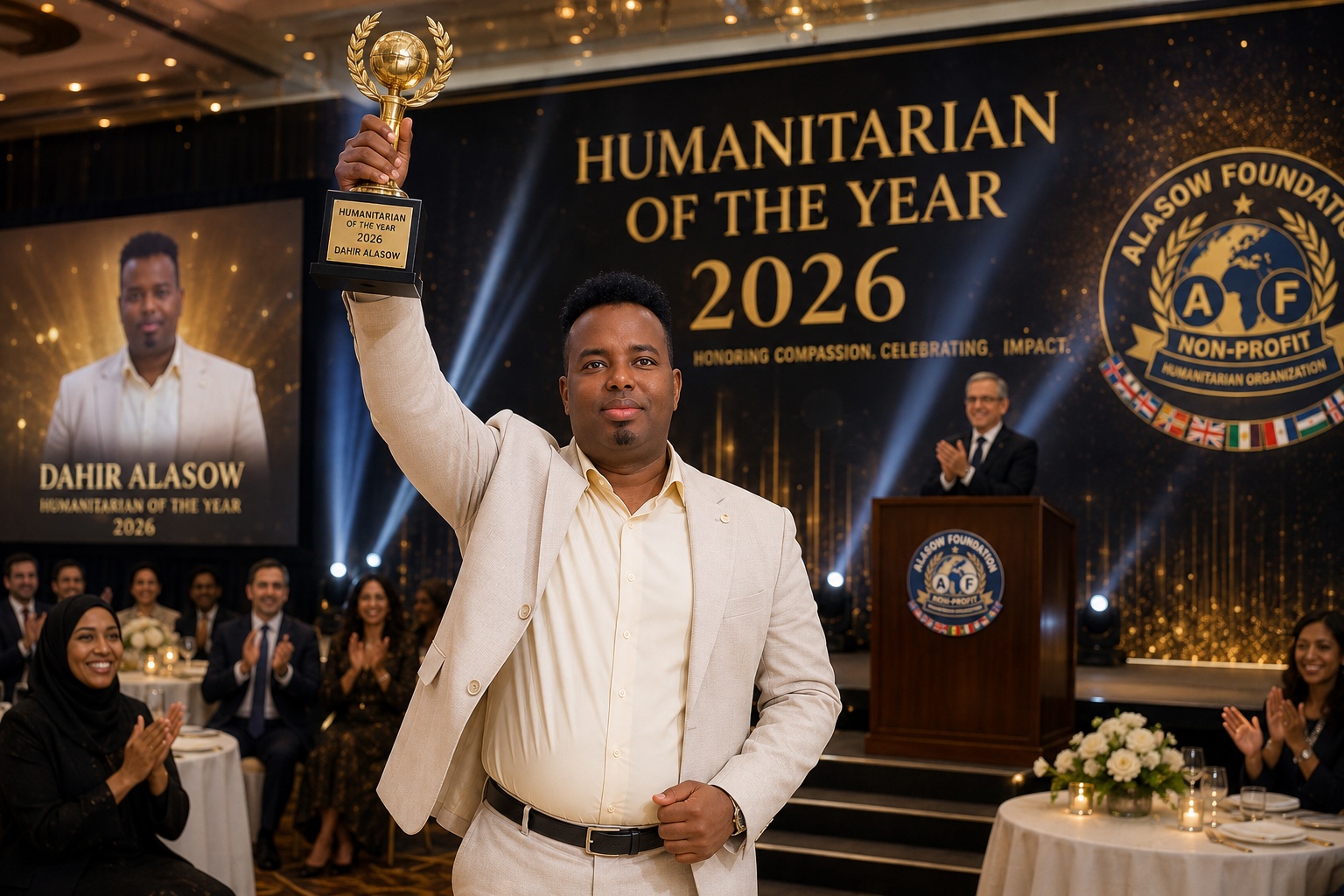
Prominent Somali investigative journalist and philanthropist Dahir Abdulle Alasow has been honored with the prestigious Humanitarian of the Year 2026 Award, recognizing his growing humanitarian impact through the international charity organization Alasow Foundation. Full Article
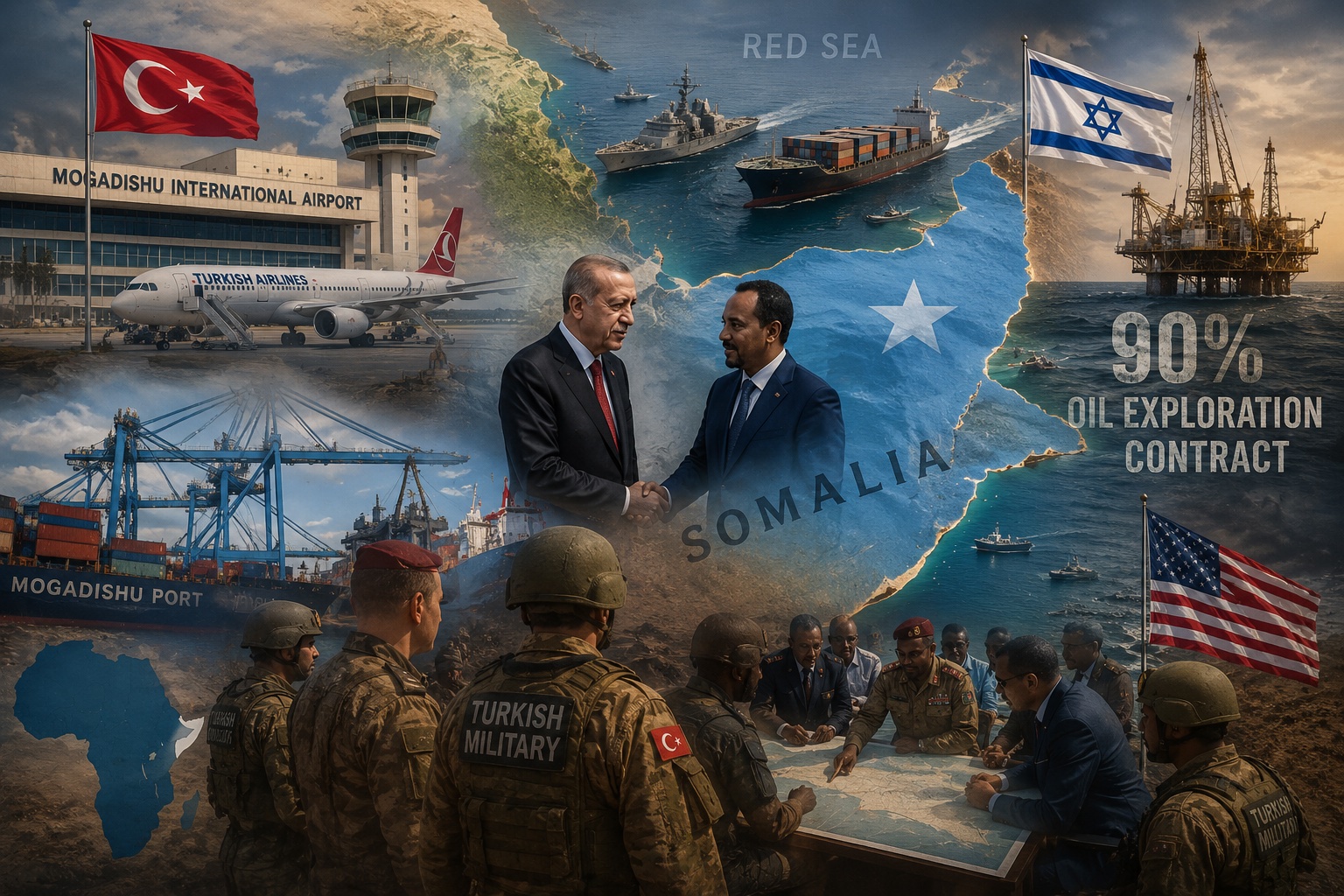
MOGADISHU, Somalia — Turkey's growing political, military, and economic influence in Somalia is increasingly drawing attention across the Horn of Africa and Red Sea region as geopolitical competition intensifies between regional and international powers. Full Article
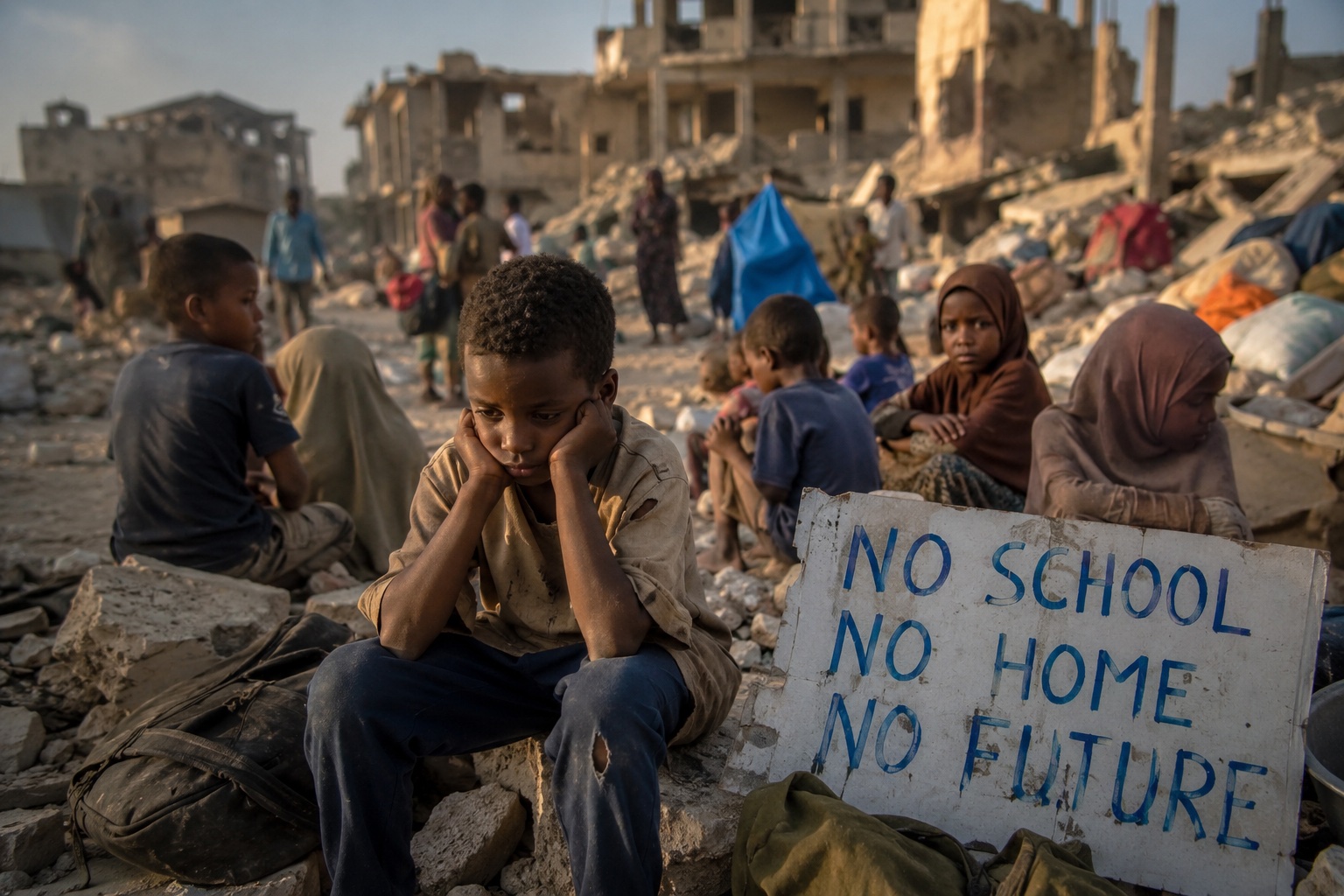
Somalia is facing a deepening humanitarian and political crisis following widespread forced evictions, deadly security operations, and escalating tensions between the federal government and opposition groups. Full Article
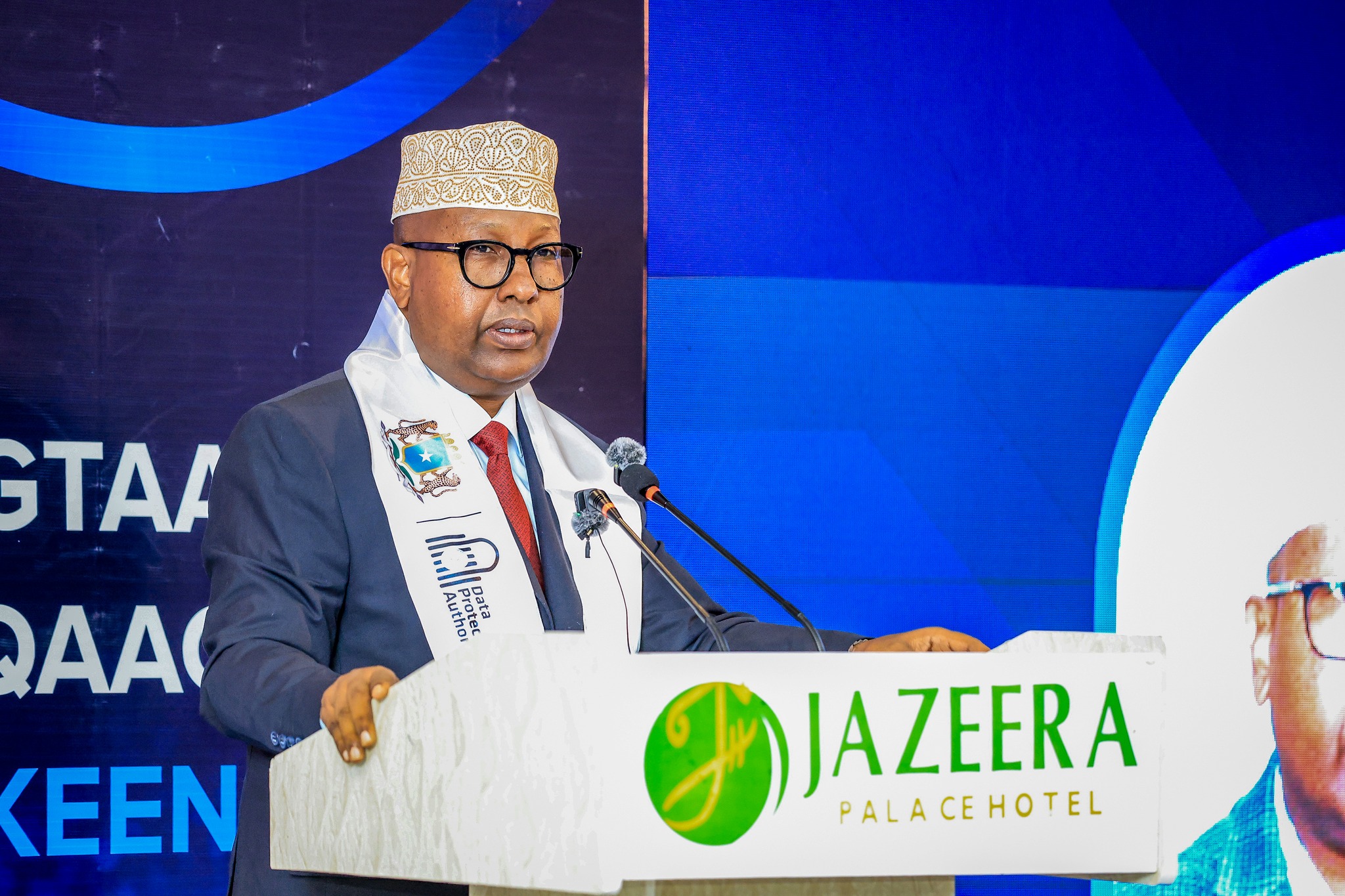
MOGADISHU, Somalia — Somalia's Defense Minister Ahmed Moalim Fiqi has sparked outrage after issuing strong threats against opposition leaders planning anti-government demonstrations in Mogadishu, warning that security forces would respond forcefully to any protests challenging the federal government. Full Article
The Associated Somali Journalists (ASOJ) has expressed concern over what it describes as growing pressure, intimidation, and suppression targeting independent media and freedom of expression in Somalia. Full Article
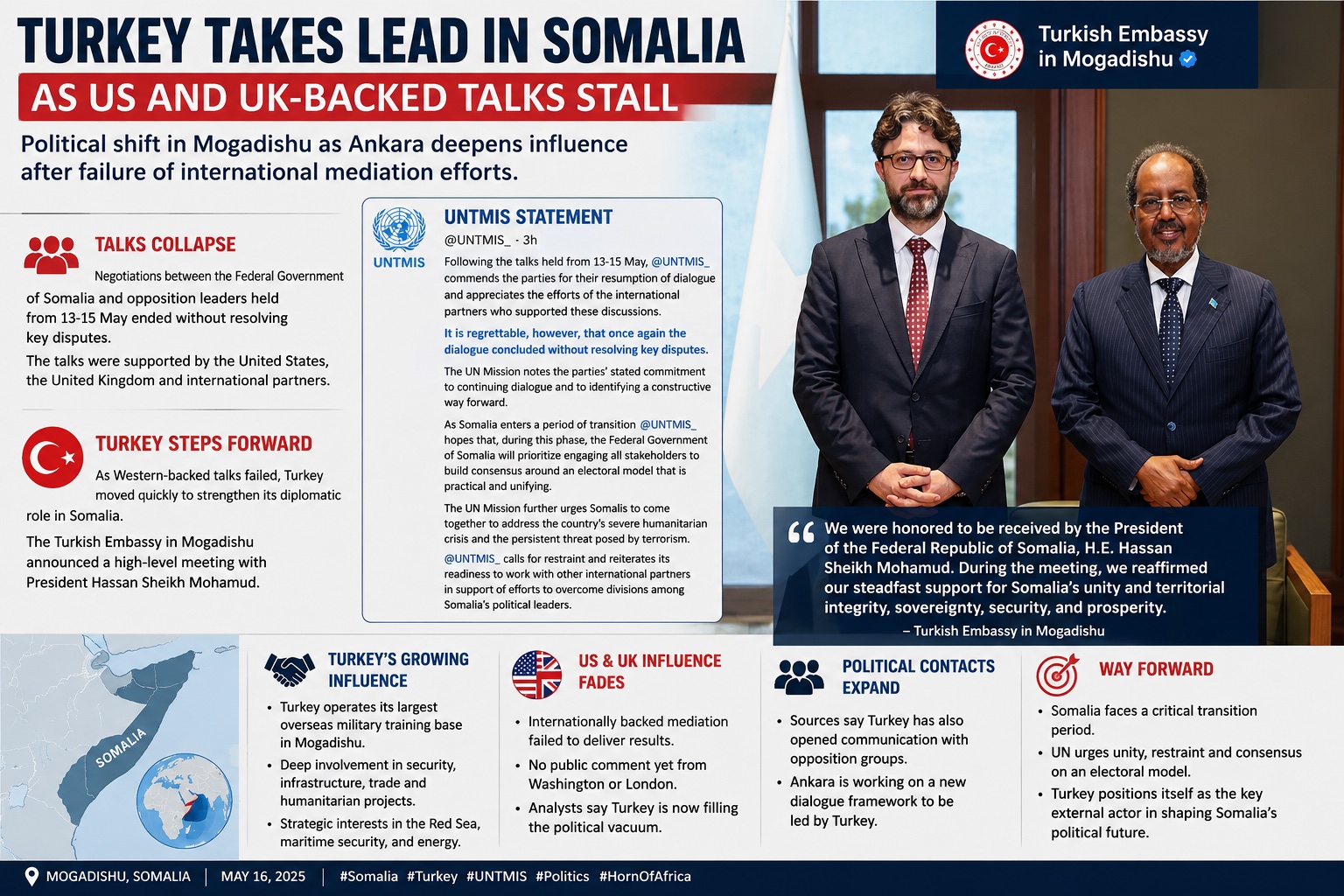
MOGADISHU, SOMALIA — Turkey is increasingly emerging as the dominant foreign diplomatic force in Somalia following the failure of political talks previously supported by the United States, the United Kingdom, and international partners, highlighting a major shift in influence inside Somalia's political landscape. Full Article
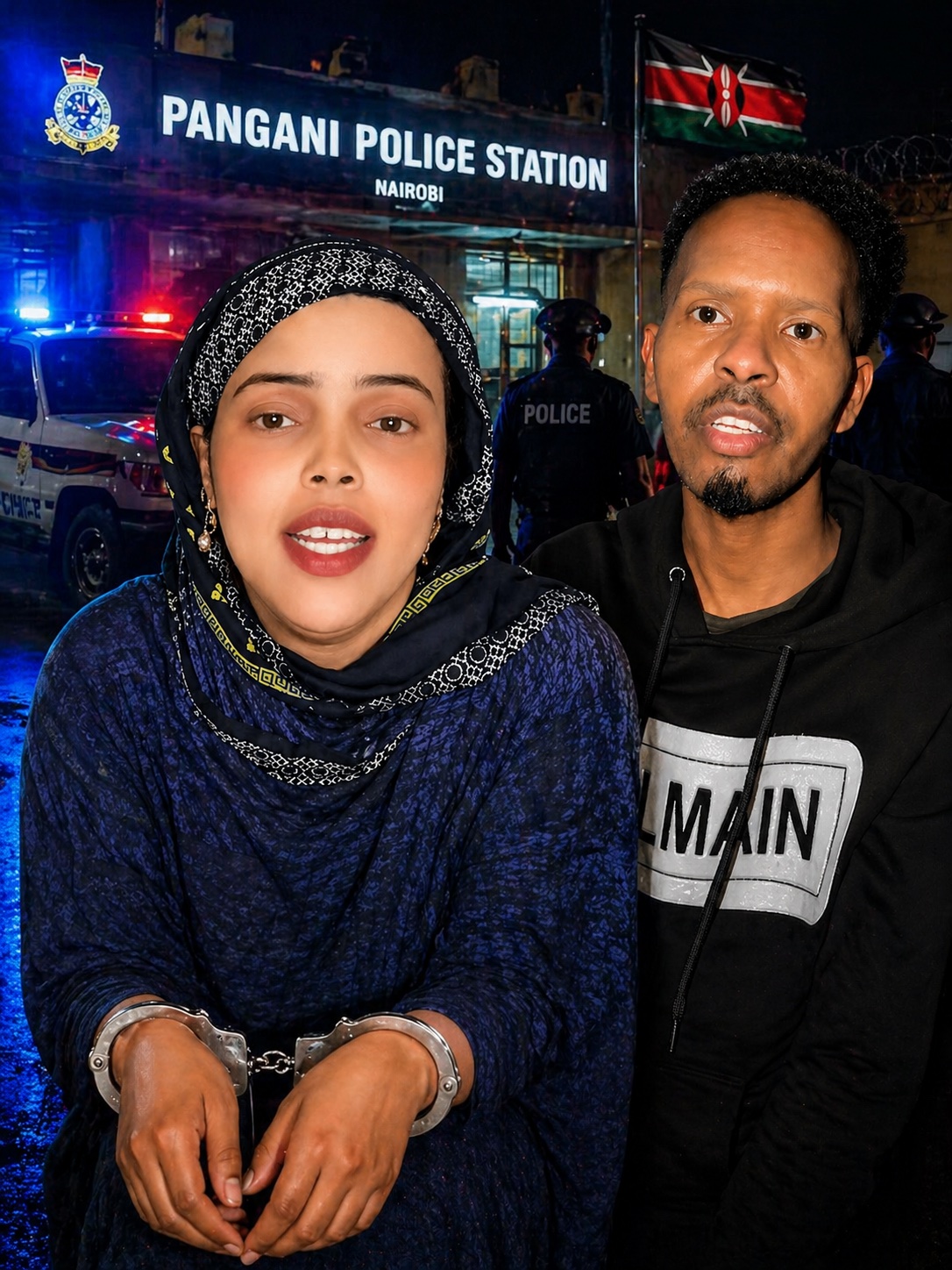
A Somali woman identified as Farhiya Abdi Mudey, also known as "HaafTurki," has reportedly been arrested in Nairobi under controversial circumstances, with emerging claims suggesting that her detention may be linked to alleged bribery involving Kenyan police officers. Full Article

A Somali IT and cybersecurity professional, Yasmin Abdi Qaraare, has become a subject of growing discussion across social media and online tech forums, as her profile circulates widely within Somali communities and diaspora networks. Her reported involvement in cybersecurity and international technology events has led many to recognize her as part of a new generation of Somali professionals working in the global digital sector. Full Article
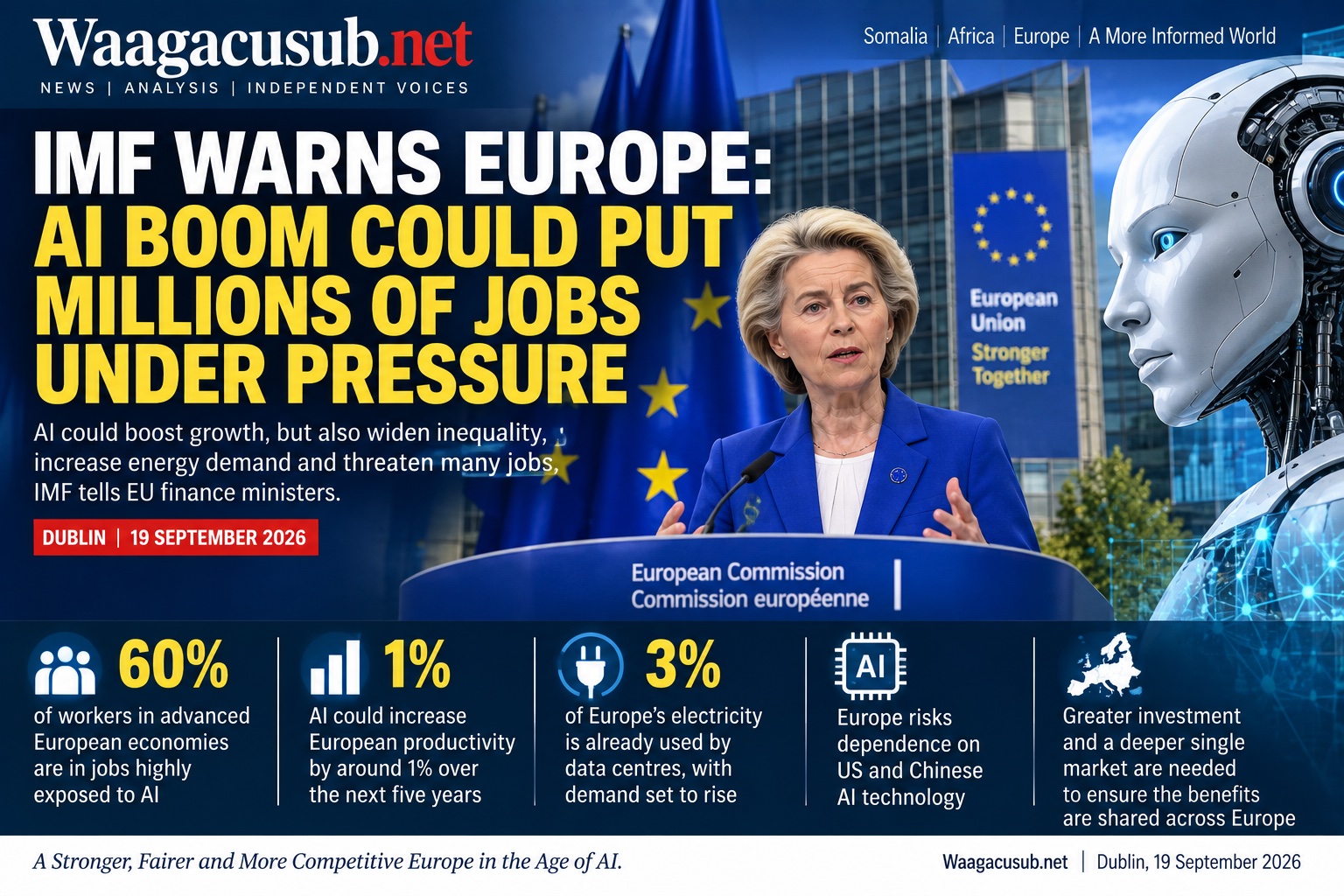
DUBLIN (Waagacusub.net) — The International Monetary Fund has warned European policymakers that the rapid expansion of artificial intelligence could boost economic productivity while also disrupting labour markets, widening inequality, straining electricity networks and increasing Europe's dependence on foreign technology.
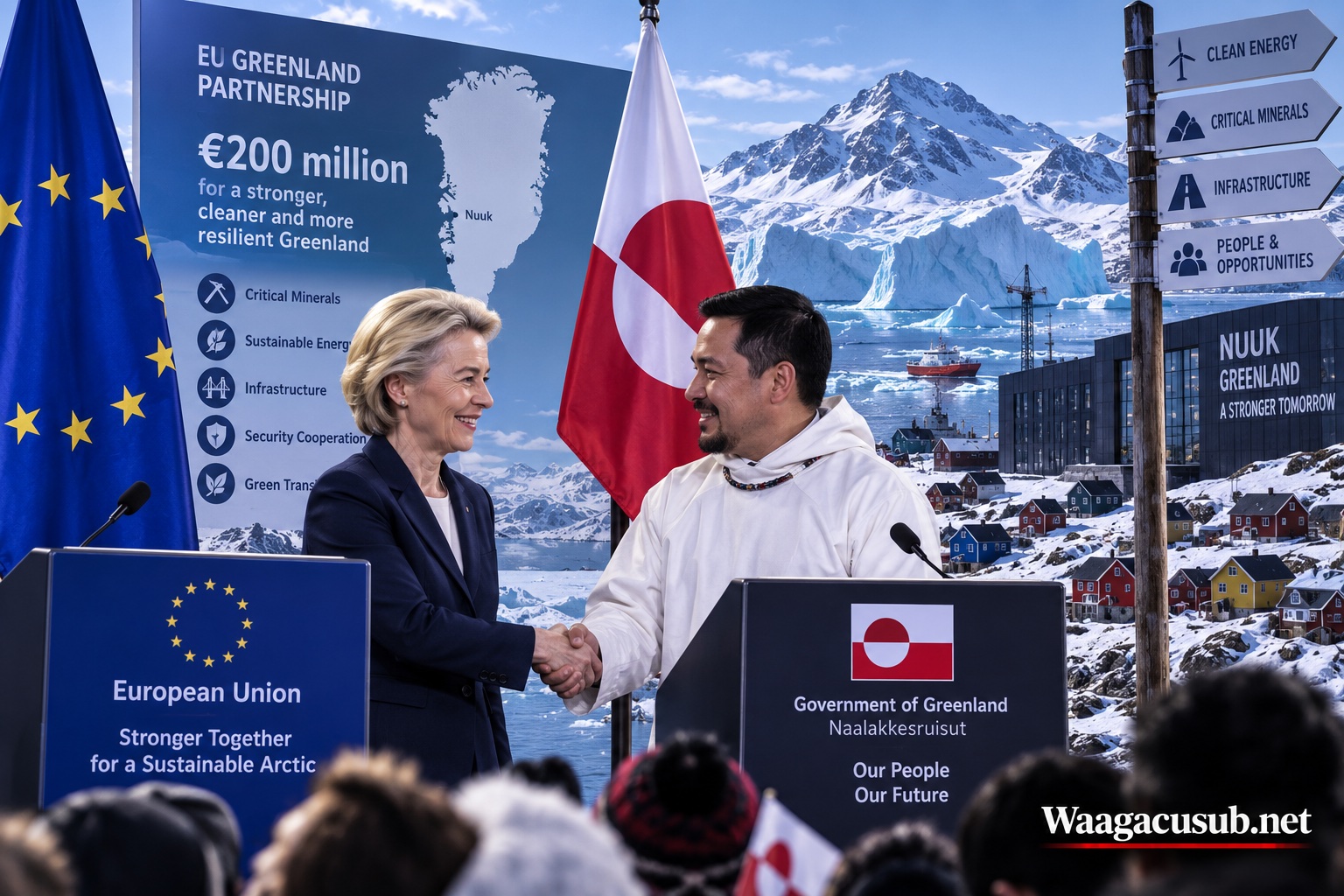
The European Union is dramatically expanding its economic and strategic engagement with Greenland, committing another €200 million as the Arctic island becomes an increasingly important arena of competition over security, critical minerals, infrastructure and geopolitical influence.
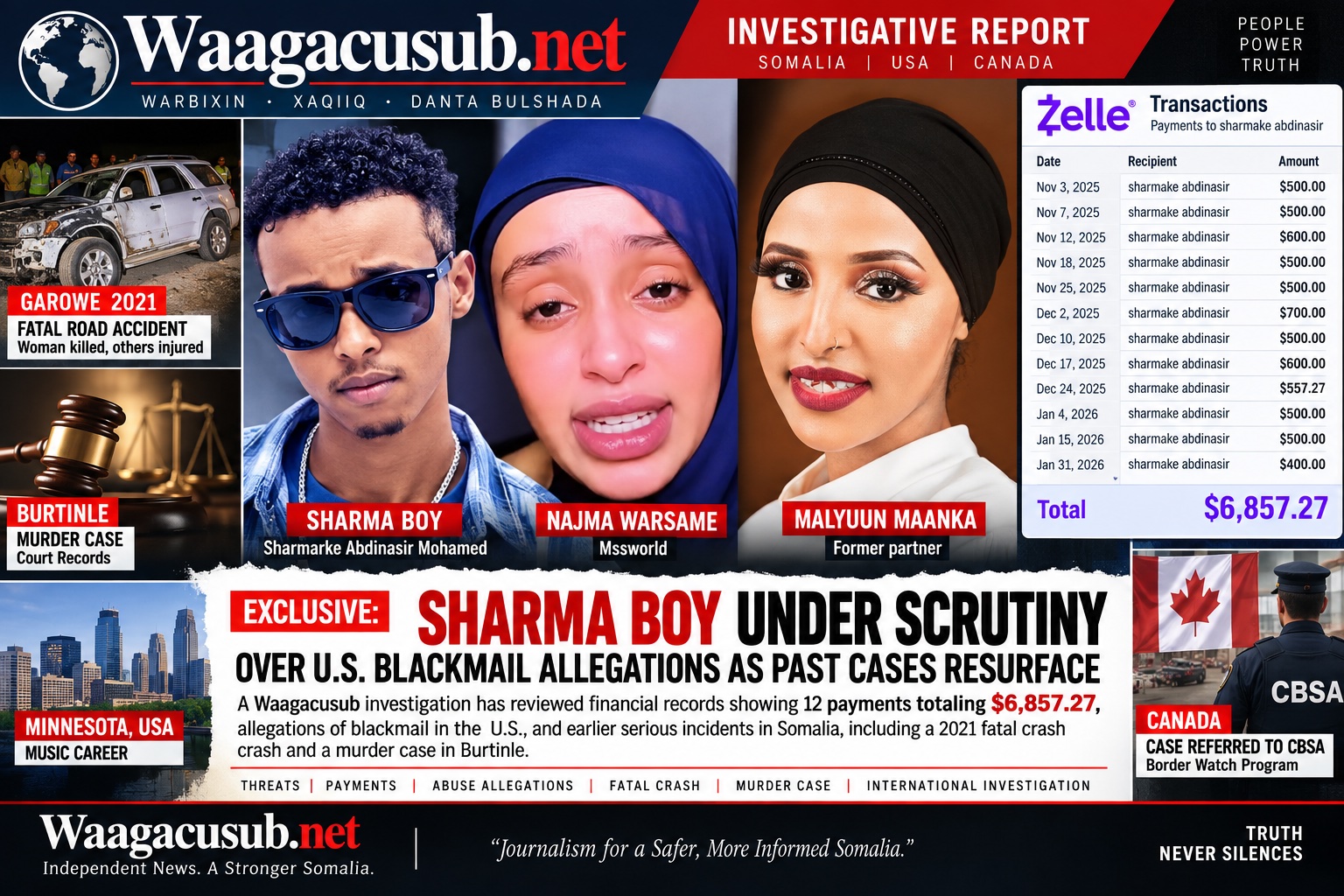
MOGADISHU / MINNEAPOLIS — Somali rapper Sharmarke Abdinasir Mohamed, widely known as Sharma Boy, is facing renewed scrutiny following allegations that he used threats, blackmail and sustained pressure to obtain thousands of dollars from a Somali-American woman in the United States.
MOGADISHU — Concerns are growing among Somali intellectuals, civil society organizations, retired military officers, and democracy advocates that Somalia is entering a dangerous period of political instability marked by increasing militarization and shrinking space for democratic participation. The concerns come amid escalating confrontations in Mogadishu and reports of civilian casualties, displacement, and destruction resulting from recent clashes between government forces and opposition-aligned groups.
Prominent Somali investigative journalist and philanthropist Dahir Abdulle Alasow has been honored with the prestigious Humanitarian of the Year 2026 Award, recognizing his growing humanitarian impact through the international charity organization Alasow Foundation.




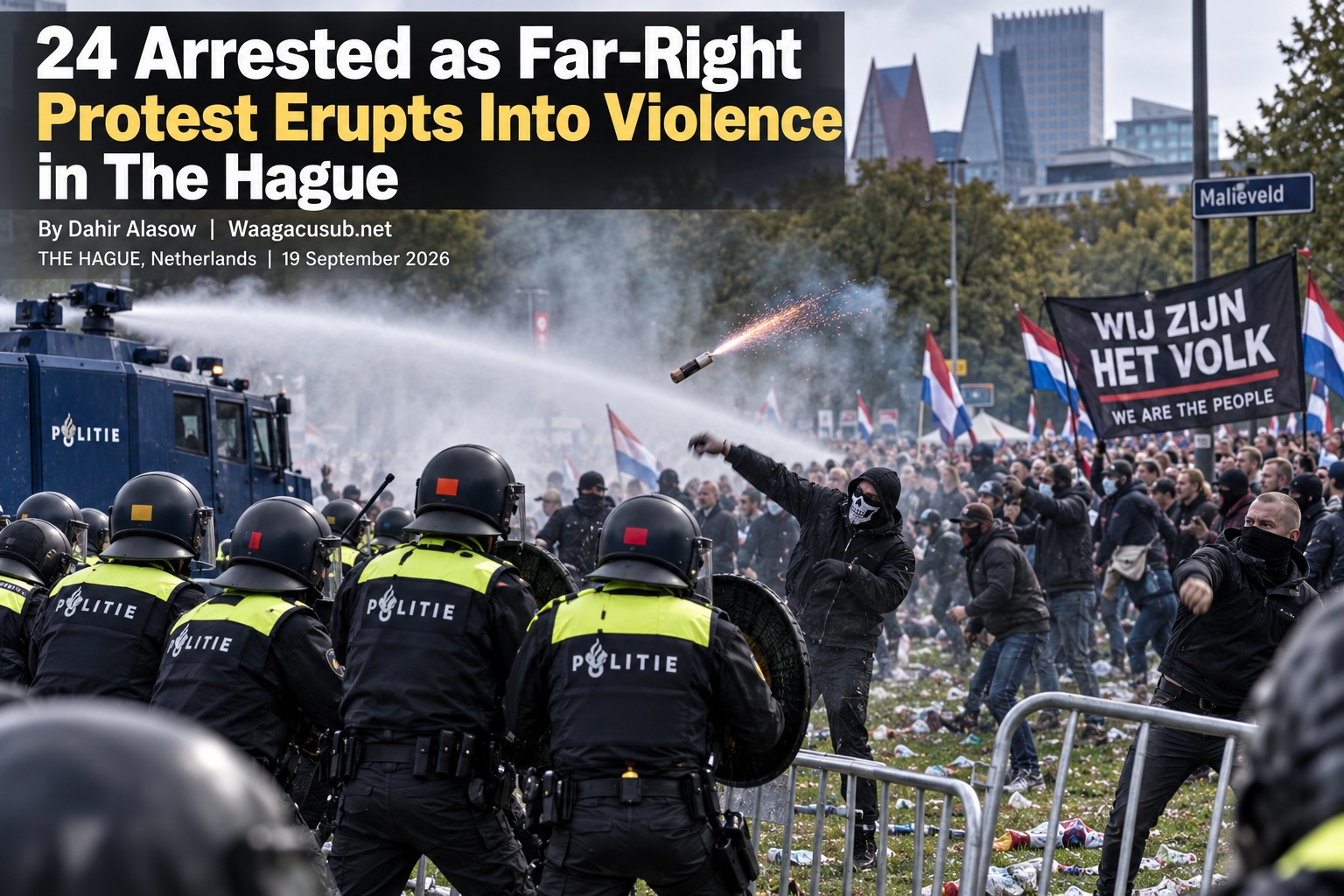
Dutch riot police arrested 24 people on Saturday after a demonstration in The Hague descended into violence, with protesters throwing fireworks and other objects at police officers. Full Article
DUBLIN (Waagacusub.net) — The International Monetary Fund has warned European policymakers that the rapid expansion of artificial intelligence could boost economic productivity while also disrupting labour markets, widening inequality, straining electricity networks and increasing Europe's dependence on foreign technology. Full Article

BRUSSELS (Waagacusub.net) — The European Union has opened the door to an unprecedented new relationship with Canada, with European Commission President Ursula von der Leyen proposing that the country become the bloc's first-ever "associate member." The proposal, announced on September 16, could significantly deepen cooperation between Canada and the 27-member European Union in defence, energy, critical minerals, artificial intelligence and digital trade. Full Article

BRUSSELS (Waagacusub.net) — The European Union is moving toward one of the world's toughest child-safety regimes for social media, with the European Commission proposing to prohibit children under 13 from holding social media accounts and impose strict safeguards on teenagers. Full Article
The European Union is dramatically expanding its economic and strategic engagement with Greenland, committing another €200 million as the Arctic island becomes an increasingly important arena of competition over security, critical minerals, infrastructure and geopolitical influence. Full Article

Hormuud's Assault on African Peacekeepers Figure 14: African Peace Keepers Hormuud launched a scorching public campaign against the Kenyan military forces in AMISOM in late August 2019. Full Article
Former Intel official stripped from NISA membership Full Article
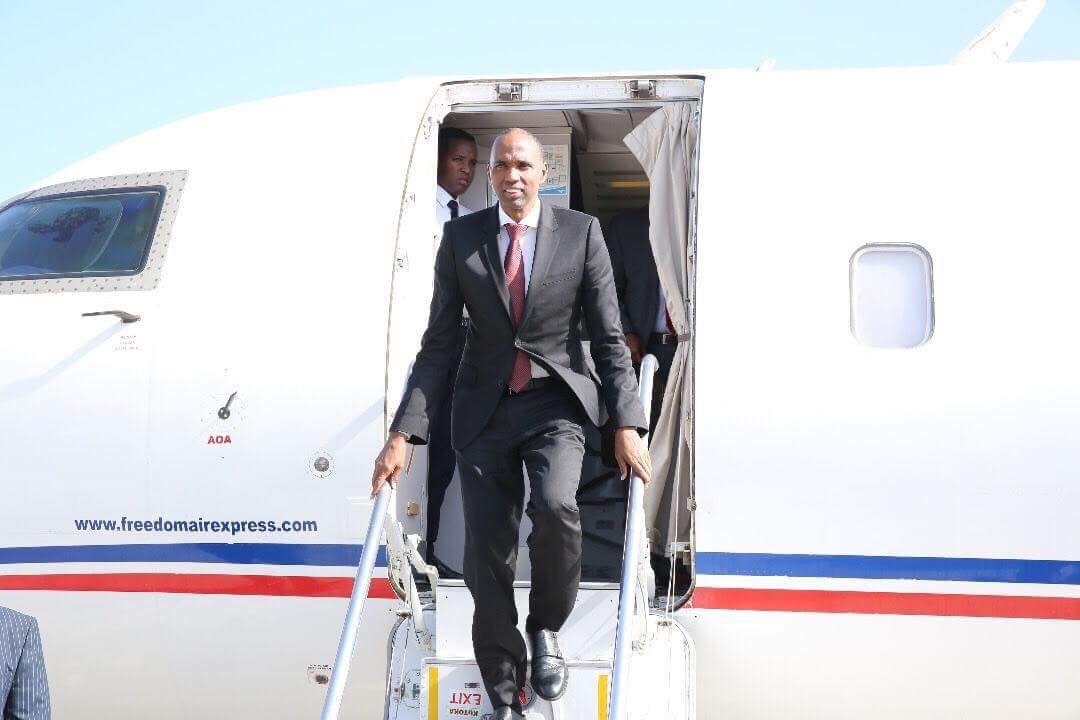
PM KHEYRE USELESS AND COSTY OVERSEAS TRIPS. Full Article
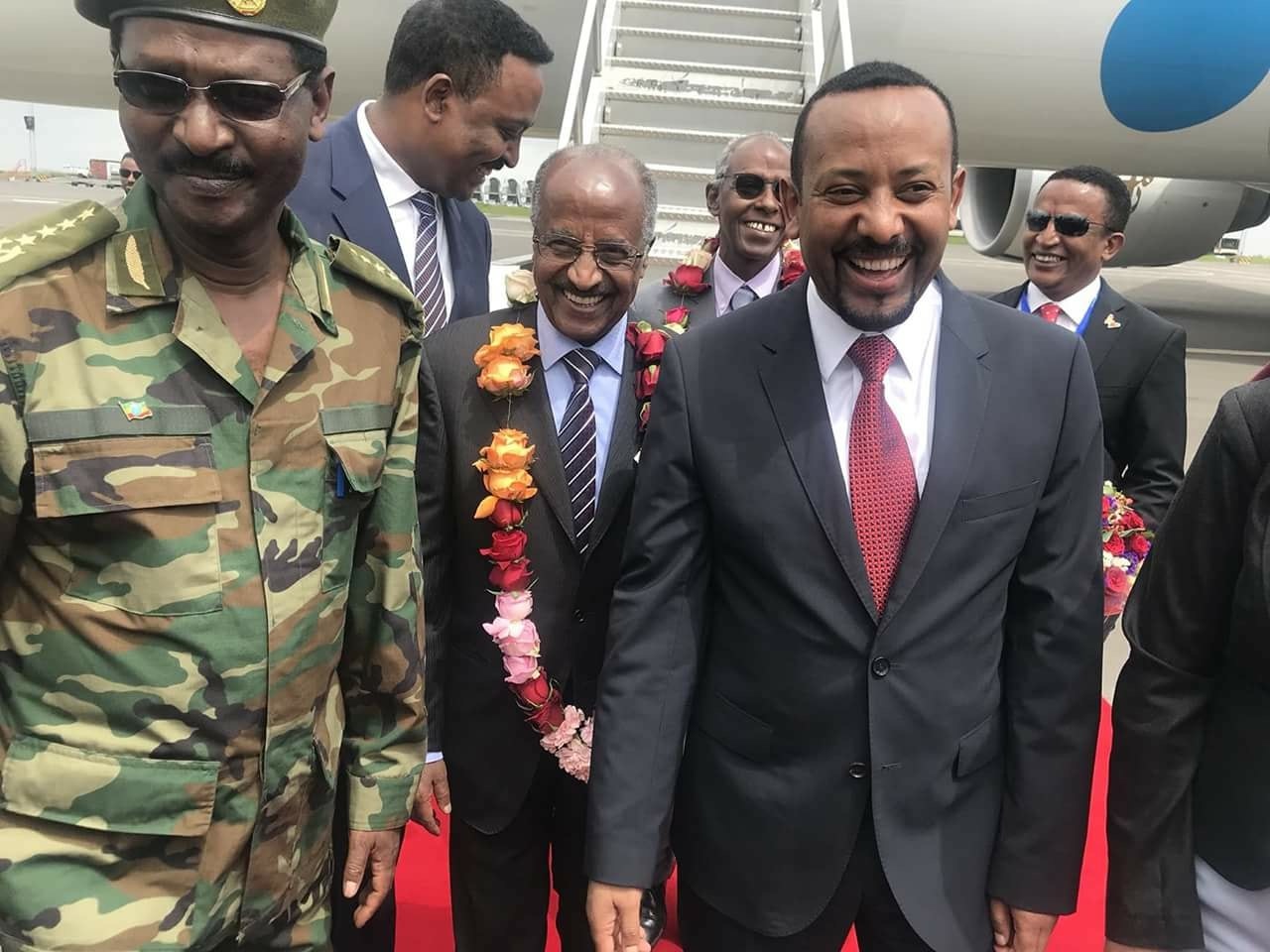
Abiy says 'New Year' will be celebrated in Eritrea, Ethiopian Airlines to resume flights Full Article
Massive rise in Islamist militant attacks in Africa Full Article


Somalia Clan federalism: Poison injected in the Somali mind
The mounting evidence of the disastrous consequences of clan based federalism (secession)- a degenerative disease- did not convince the United Nations Mission for Somalia (UNSOM) and the Federal Government of Somalia (FGS) not to continue to spread t