

 0
0


 File Attachment
Somalia‟s window of opportunity is closing fast. The provisional constitution and national election are on the horizon, separatists, religious sect leaders, tribal semi-states warlords (so called presidents) and abusive secessionist‟s militia commanders are becoming more and more entrenched. The international community and the Somali intellectuals must act soon to improve the human rights situation. After elections, scheduled for August2016, it may be too late.
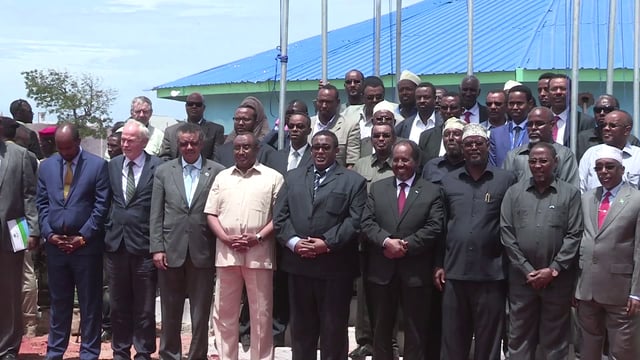
These feelings were buttressed by the impression that the international actors were interested in working with semi tribal-states factions than with more legitimate Somali civilian representatives. The images of U.S and European diplomats, IGAD and UN aid officials meeting with Somalia‟s tribal semi-state warlords (so called presidents)(1) served to further disenchant civil society, intellectuals and political organizations.
In the year since the leader of Damul Jadid Loy Jirga, President Hassan Sheikh made some efforts to limit the worst effects warlords (presidents of tribal semi- states). Unable to dismiss local semi-state tribal leaders, Hassan Sheik has little capacity to enforce his orders without the support of powerful Semi-State warlords (so called presidents), or Ethiopia influence-he has instead tried to erode their power gradually. He has worked to increase the power central government ministries over which he has power like –Interior Ministry –and he shuffled some key posts, appointing 4 different new prime ministers in one year. Though in many cases, Hassan Sheik‟s appointed Prime ministers have been unable to rein local semi-tribal warlords (so called tribal presidents), when asked to work with the Fed and PM, they have simply refused. Defense minister has blocked some of Semi-tribal state leaders, especially those who enjoy Ethiopian political supports. Hassan barely retains control over Mogadishu-based African security forces (AMISOM).
Meanwhile, the primary power broker in Somalia –the United States (through Ethiopian influences)-continues to embrace a divided strategy toward Somalis: on the one hand, U.S- Ethiopia supports Hassan Sheik in Mogadishu, while on the other hand, U.S supports Ethiopian forces to cooperate (strengthen) in areas within outside of Mogadishu, some of whom seek merely to enrich themselves or strengthen their own power at the expenses of Hassan Sheik and the Fed administration.
Outside of Mogadishu, power dynamics are more diverse. In central regions, President Hassan has appointed figures from his Damul-Jadid movement, but they have had difficulties asserting their influences when local tribal militia commanders are hostile, for the most part, either are independents, refusing to come fully under President Hassan‟s authority, or they are loyal to different authorities such as neighboring countries.
Civil society, intellectuals, and Somali diaspora said loudly "A just peace requires negotiations between all stakeholders including women advocacy groups as well as diaspora and unarmed civil society groups”
Outside from the Mogadishu-Kismayo Meetings, Somali civil society called for international support for their peace building efforts to address conflicts, including the sectarian divisions and warlordissm evidenced gaining moments again in Somalia – and it is this call that we as a global community must listen to, one of western envoys in Somalia said.
An exhausted international community eager to leave Somalia and preaching a "talk and fight”strategy is no recipe for a just or durable peace. Too many regional government warlords ("Presidents”)-self-appointed tribal politicians still govern from the intimidating power of the gun rather than leading through the legitimacy that comes from providing public services. Theinternational community‟s programs to improve governance have too often relied oninexperienced, highly-corrupted tribal semi- states warlords (so called presidents) who lack connections of local democratization and traditions rather than supporting and empowering localcivil society to hold their own government to account...
Civil society‟s voice in the peace process is a foundation for success, not a luxurious add-on. But opponents (tribal semi-states leaders) of Somali civil society‟s participation in the 2016 Agenda Conference and in the peace process are plentiful. Tribal Semi state Government officials say that they represent civil society‟s interests, or say, "Involving civil society is a nice idea, but we simply don‟t have time to involve the public before the 2016 deadline.”
Yet negotiations have stopped. It seems from most accounts that no one is talking to the Al- Shabaab (See Dr. Abdirahman M. Abdi Hashi and Dr. Abdirahman Badiyow points of view on VOA: http://www.voasomali.com/media/video/2964747.html ).
Baidao-Ethiopianization Projects : Moral values, and a culture and a religion, maintaining these values are far better than laws and regulations.
The US-Ethiopia "talk and fight” strategy exists only in theory. In practice it does not include"talking”. And the Somali week government‟s peace and reconciliation plan is at a standstill.Given this impasse, civil society‟s involvement in the peace process is not a luxury, but a necessity.
History shows that military victory ends only a small percentage of wars. Most end through
peace agreements. But half of all peace agreements fail, primarily because the process excludes
the public. Dozens of Somali Scholers agree that peace processes that include civil society are
more successful and more often lead to stable, durable, democratic governance.
Somehow the voices echoing from Beethoven Hall need to reach the ears of those in power.
Designing a process that includes the Somali public and works out a way to deal with difficult
justice issues is essential to the success of any peace deal in Somalia.....
This report, based on research conducted from April 2012, through May 2015, documents also a human rights abuse in the SSC regions of Somalia, the most nomadic populated part of Somalia. A climate of fear exists in much of SSC regions. Northern tribal secessionists (Somaliland) militias are invading private homes, usually at night, robbing and assaulting civilians. By force or by ruse, Secessionists tribal militiamen gain entry into homes and shops and hold people hostage for days, terrorizing them with weapons, stealing their valuables, and sometimes rapping women and teenage girls.
In Conclusion; those calling for civil-society inclusion in the talks hope unarmed Somali society (Academics, diaspora, women and youth organizations) can bridge divisions among armed tribal semi-states parties and local communities now close to embroil in a war that had a dangerous tribal dimension from the start. International community‟s inclusion of civil-society representatives is based on the widely held belief that they are broadly pro-peace and less triballydivided and „political‟ than others – but still able to influence armed actors (tribal semi-states). These were the same reasons civil society can afford a large role in the 2016 peace process and election agenda. Numbers do matter: the civil-society delegation needs to be big enough both to
avoid further claims of unfair election/selection and to resist co-optation of individual members by the parties. Either way, civil-society representatives must, like the warring parties, providesubstantive input to the mediation‟s outputs – from the basic framework agreement to, ultimately, a new constitution. Certainly civil society‟s participation should not wait for anational dialogue and reconciliation process, whose promise might be as fragile as the UN‟spledge for democratization of the Somalis...
(1) Current Somali Warlords : Mr. Sheik Sharif, Mr. Dhegajun, Mr. Omar Abdirashid, Mr. Hassan Sheikh, Mr. Jawari, Mr. Ahmed Madobe, Dr. Abdiweli Ali Gas, and only missing
the old tribal secessionist warlord Mr. Siilaanyo (No Woman there..!!)
Habon Haji Abdi, Buuhodle-SSC regions of Somalia
Contact: [email protected]
MOGADISHU — Concerns are growing among Somali intellectuals, civil society organizations, retired military officers, and democracy advocates that Somalia is entering a dangerous period of political instability marked by increasing militarization and shrinking space for democratic participation. The concerns come amid escalating confrontations in Mogadishu and reports of civilian casualties, displacement, and destruction resulting from recent clashes between government forces and opposition-aligned groups. Full Article
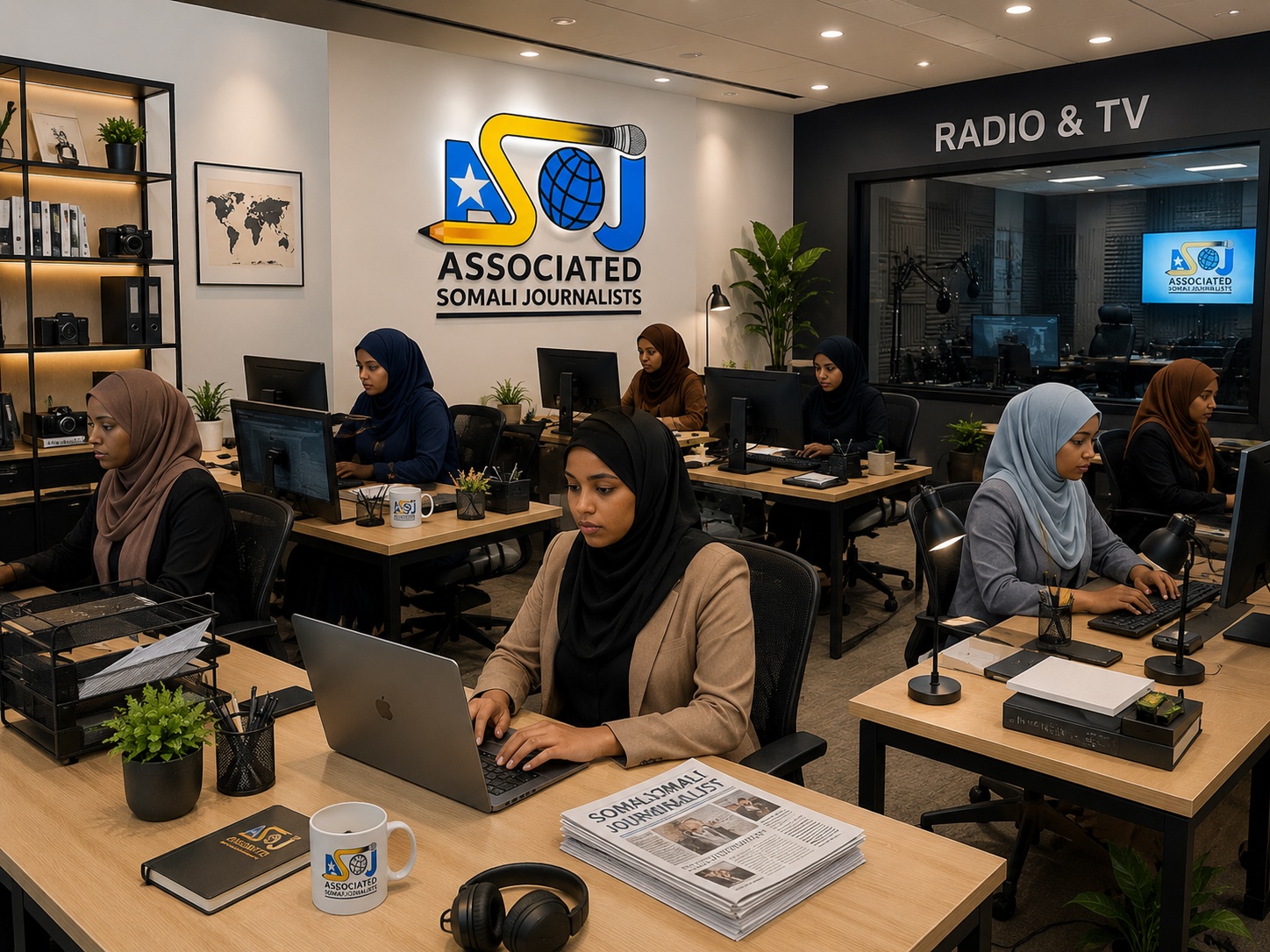
The Associated Somali Journalists (ASOJ) has expressed concern over what it describes as growing pressure, intimidation, and suppression targeting independent media and freedom of expression in Somalia. Full Article
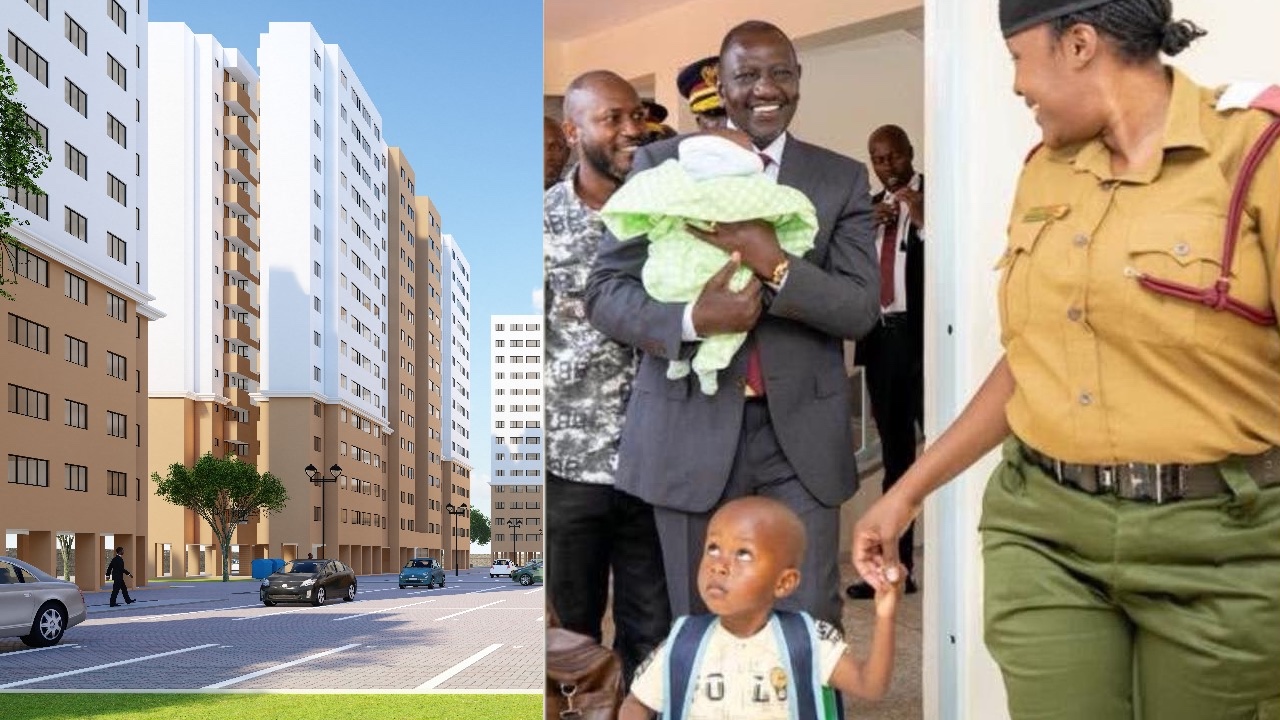
Nairobi – A heartwarming development has captured national attention in Kenya after President William Ruto personally intervened to improve the living conditions of a young female police officer who had been residing in a makeshift iron-sheet shack. The officer was recently relocated to a modern, fully furnished apartment as part of the government's Affordable Housing project. The Affordable Housing initiative — one of the flagship social programs championed by President Ruto's administration — aims to uplift low-income families by providing access to dignified, safe and modern living spaces. The relocation of the police officer has become a powerful symbol of the government's commitment to prioritizing people living in hardship. Full Article

Washington / Minneapolis — Signs are increasingly pointing to a sweeping new crackdown by the United States against Somali-owned money transfer companies, raising alarm within the Somali-American community as political rhetoric intensifies. Full Article

Waagacusub.net-Kenyan President William Samoei Ruto, accompanied by the Director-General of the National Intelligence and Security Service (NIS), Noordin Mohamed Yusuf Haji, officially inaugurated the Yusuf Hajji High School in Masalani, Ijara, in Garissa County, North Eastern Kenya. Full Article
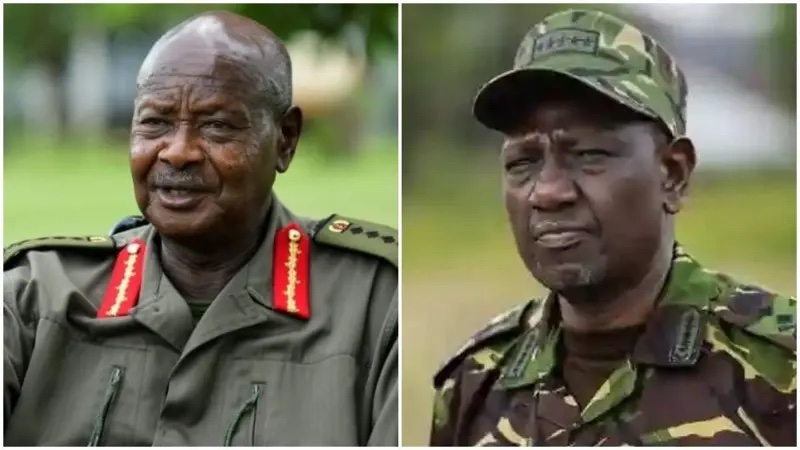
A diplomatic rift has emerged between Kenya and Uganda — two key East African nations — following strong public remarks by Uganda's President Yoweri Museveni regarding maritime access and regional integration. Speaking at a public rally in late October, Museveni declared that "Uganda is going to enter the Indian Ocean via Kenya," a statement that raised alarms and triggered widespread debate over the implications for regional stability and sovereignty. Full Article

Although artificial intelligence (AI) currently plays only a small role in fact-checking, its potential to generate highly convincing fake news remains deeply concerning. Experts warn that as AI tools become more powerful and accessible, journalists and fact-checkers must remain alert—especially during elections, when misinformation can most easily distort public opinion. Full Article
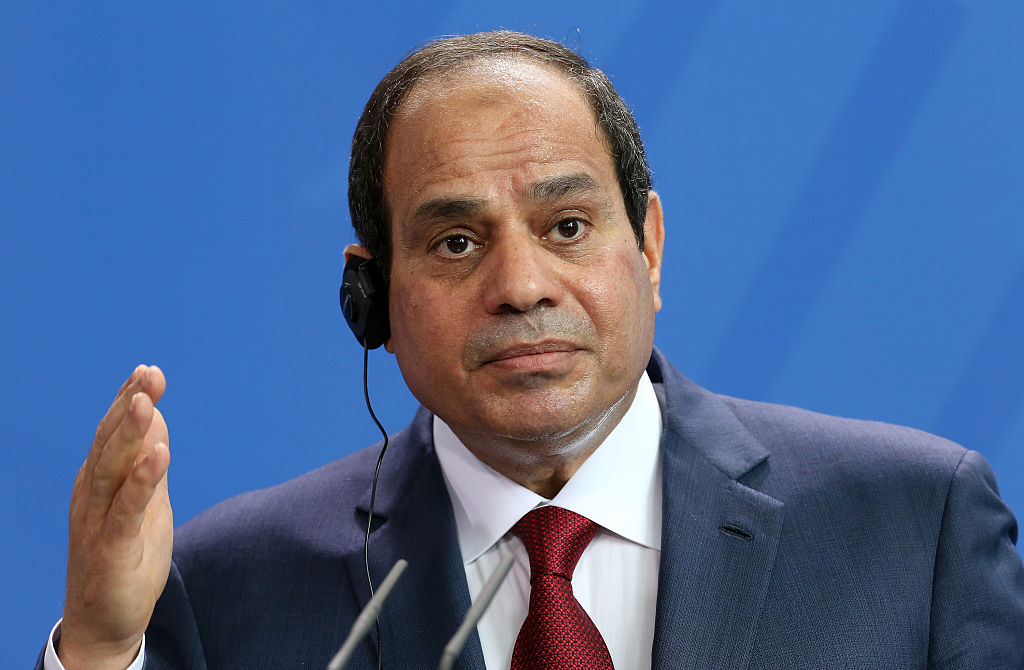
Waagacusub.net - Egyptian President Abdel Fattah el-Sissi said his country will protect Somalia against any threat in what can be described as an indirect response to recent Ethiopia's move to access the seaport of Somaliland. Full Article
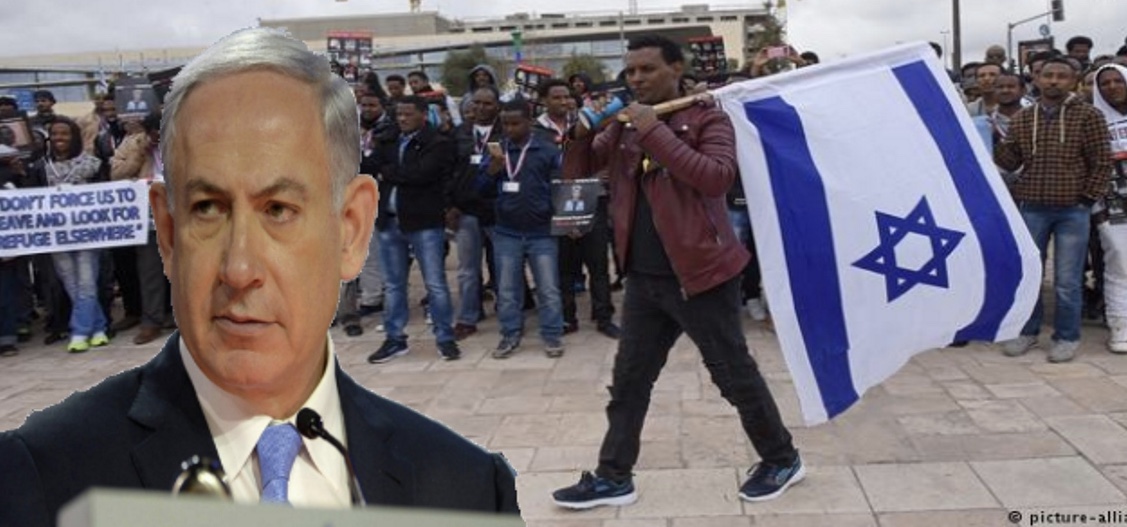
Netanyahu: Israel Will Keep Deporting 'Infiltrators', Eritrea-Ethiopia Peace Treaty Will Help Accelerate Expulsion Full Article
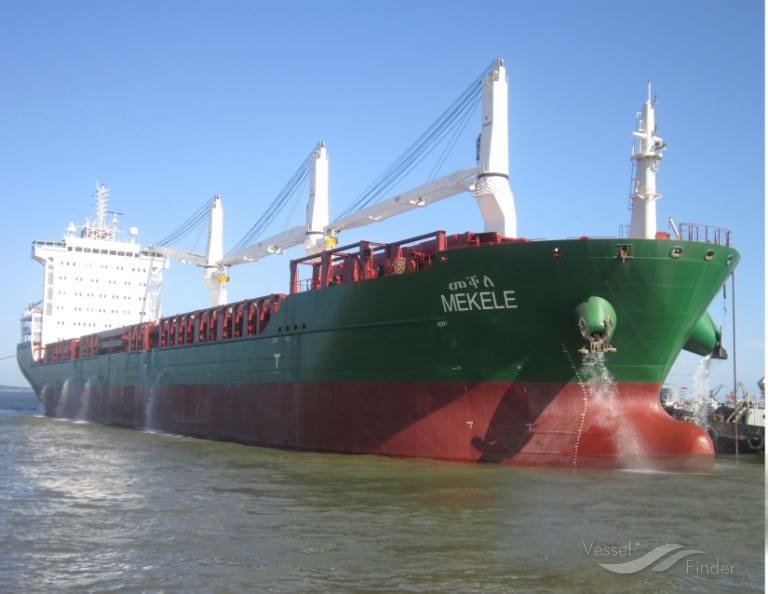
Ethiopian cargo ship called 'Mekelle' will dock tonight in Eritrean Port Full Article
MOGADISHU — Concerns are growing among Somali intellectuals, civil society organizations, retired military officers, and democracy advocates that Somalia is entering a dangerous period of political instability marked by increasing militarization and shrinking space for democratic participation. The concerns come amid escalating confrontations in Mogadishu and reports of civilian casualties, displacement, and destruction resulting from recent clashes between government forces and opposition-aligned groups.
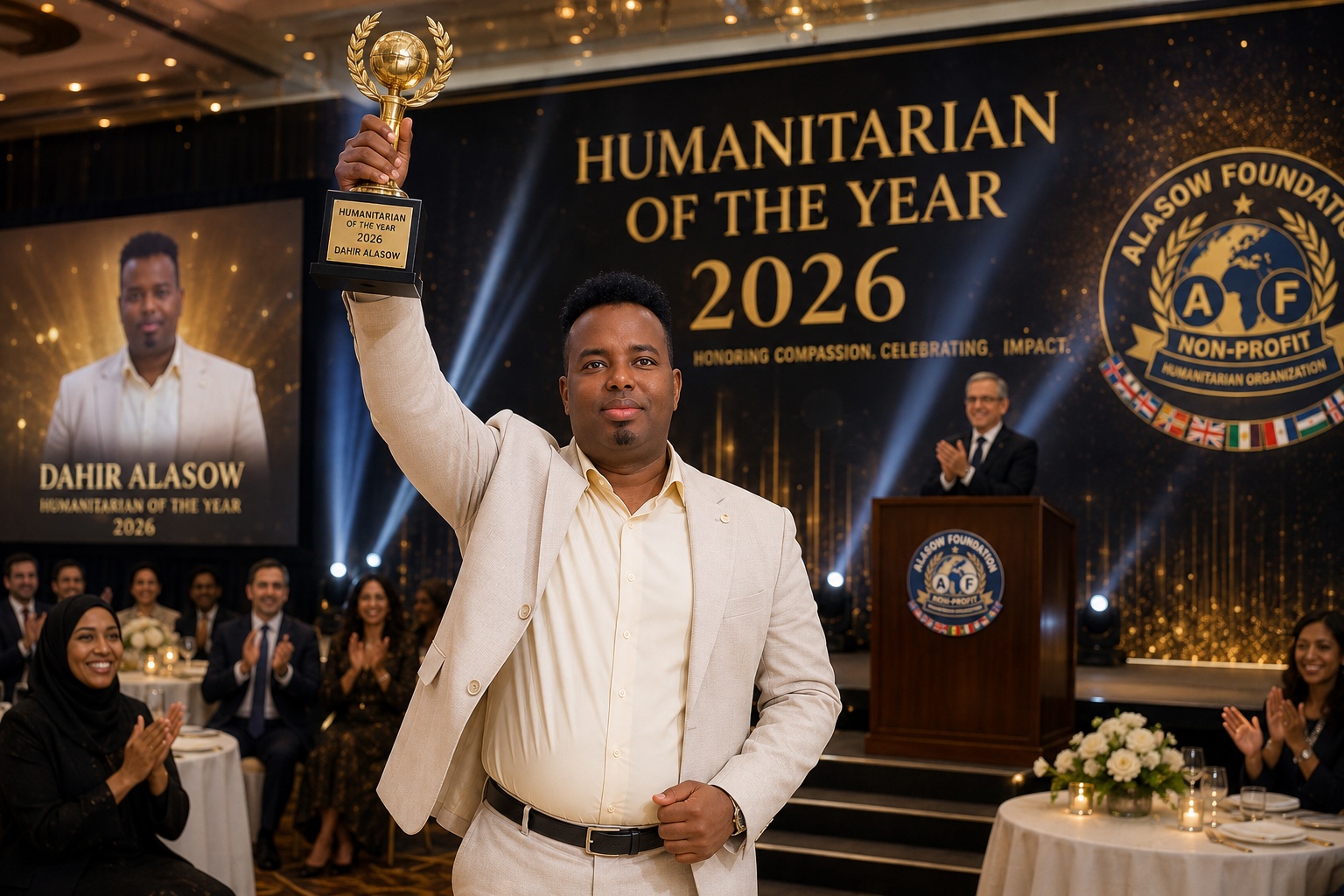
Prominent Somali investigative journalist and philanthropist Dahir Abdulle Alasow has been honored with the prestigious Humanitarian of the Year 2026 Award, recognizing his growing humanitarian impact through the international charity organization Alasow Foundation.
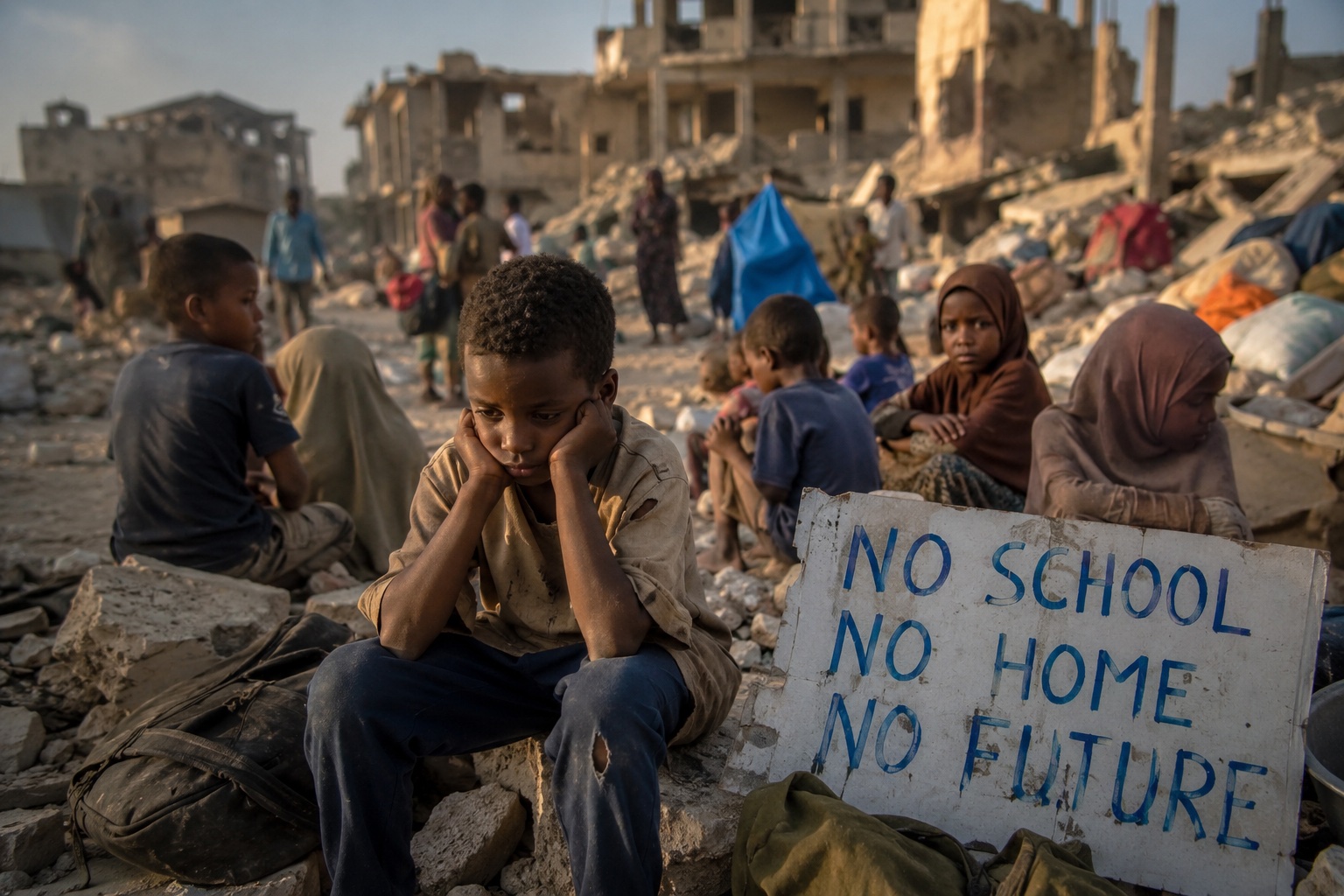
Somalia is facing a deepening humanitarian and political crisis following widespread forced evictions, deadly security operations, and escalating tensions between the federal government and opposition groups.
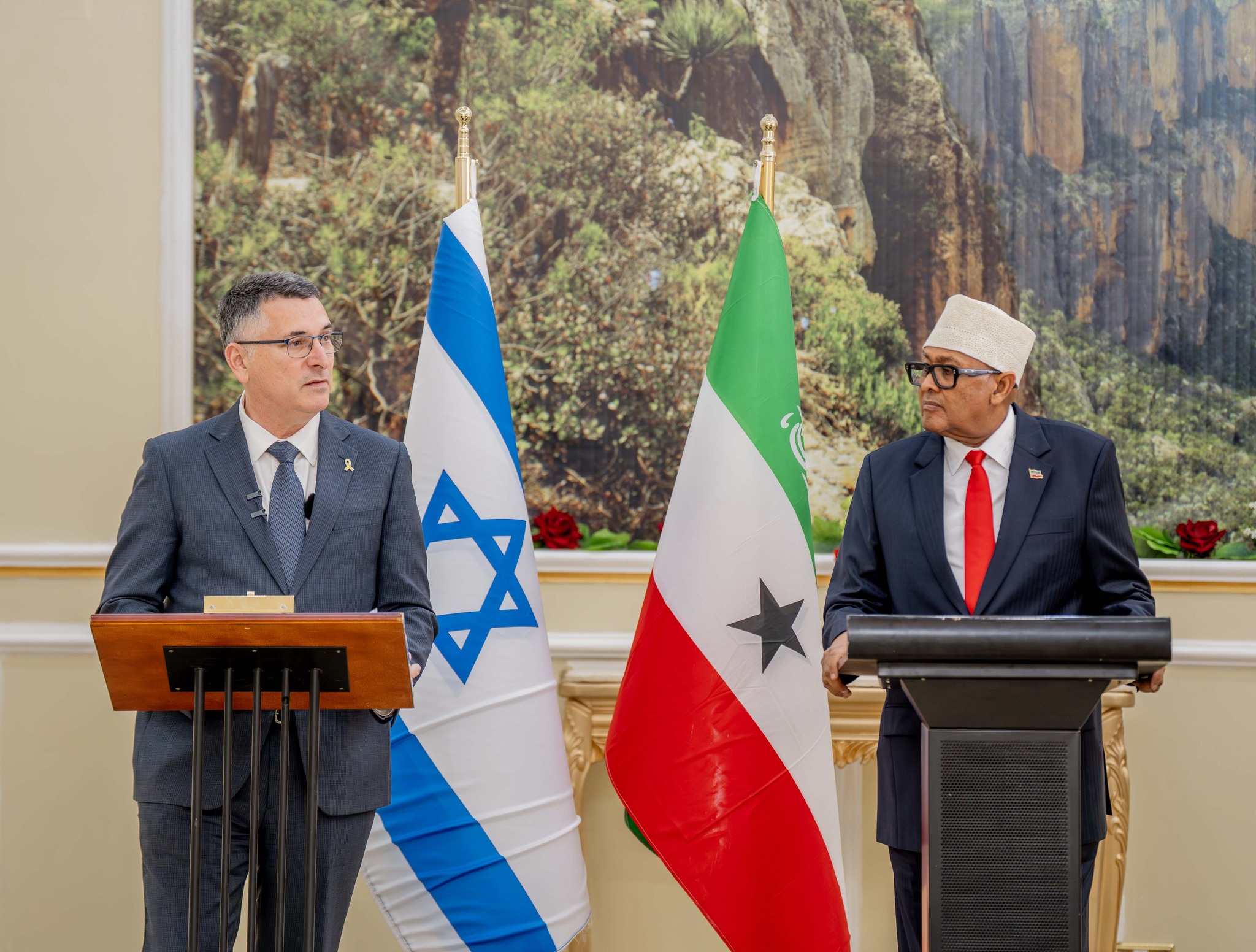
The Federal Republic of Somalia has issued a strong diplomatic condemnation following an unauthorized visit by Israel's Minister of Foreign Affairs to Hargeisa, declaring the move a grave violation of Somalia's sovereignty, territorial integrity, and political unity.
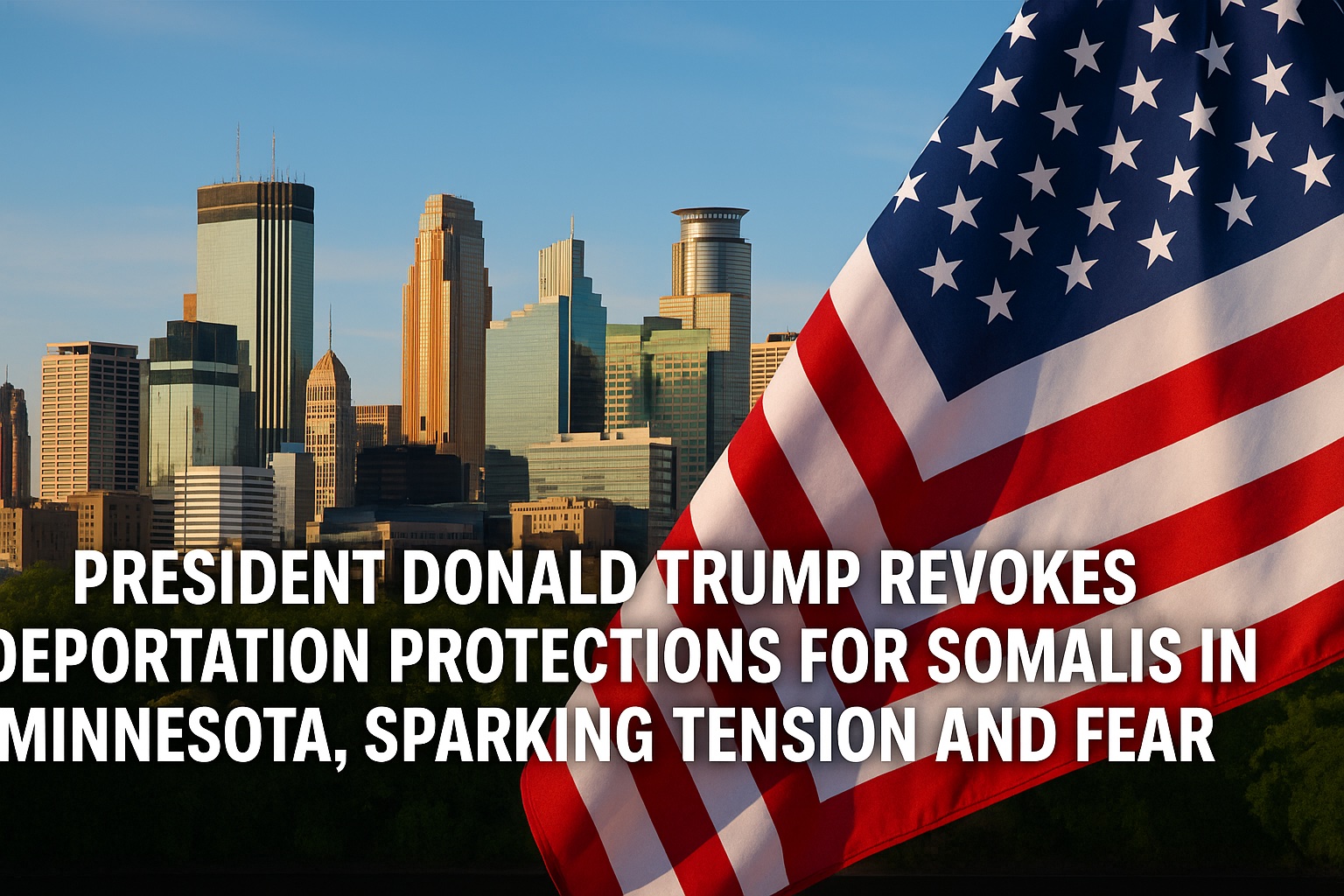
Washington – U.S. President Donald Trump has announced the immediate cancellation of deportation protections for Somali nationals living in the state of Minnesota, sending shockwaves through one of the largest Somali diaspora communities in the world. In a strongly worded post shared online, President Trump stated: "Somali gangs are terrorizing the people of that great State, and BILLIONS of Dollars are missing. Send them back to where they came from. It's OVER!" The message has triggered widespread fear among Somali immigrants and families in Minnesota, many of whom have lived in the United States for decades and built stable communities.




MOGADISHU — Concerns are growing among Somali intellectuals, civil society organizations, retired military officers, and democracy advocates that Somalia is entering a dangerous period of political instability marked by increasing militarization and shrinking space for democratic participation. The concerns come amid escalating confrontations in Mogadishu and reports of civilian casualties, displacement, and destruction resulting from recent clashes between government forces and opposition-aligned groups. Full Article
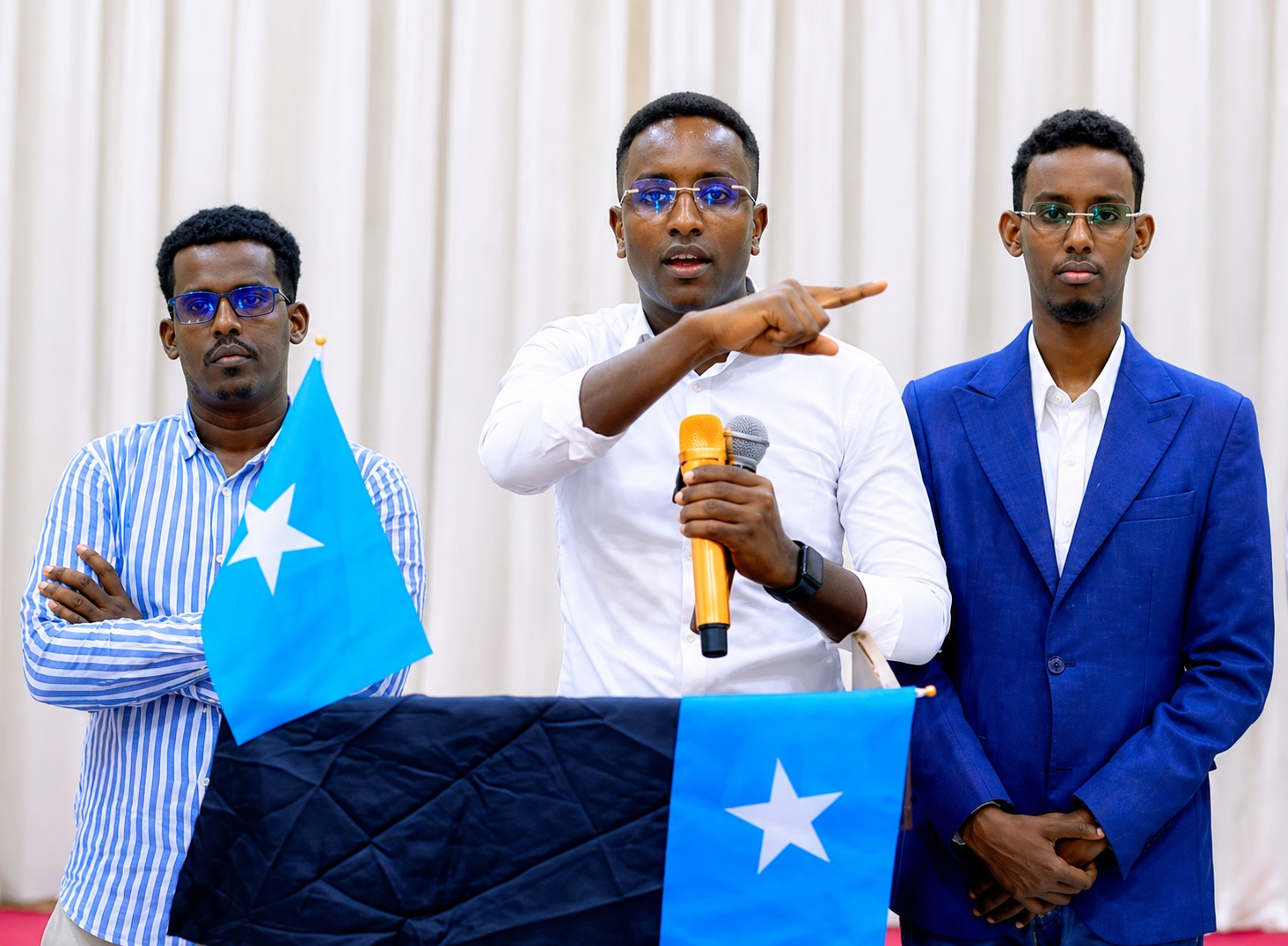
MOGADISHU, Somalia – As Somalia approaches planned demonstrations on June 4, concerns continue to grow over the state of human rights, freedom of expression, and civic space in the country. Full Article
Prominent Somali investigative journalist and philanthropist Dahir Abdulle Alasow has been honored with the prestigious Humanitarian of the Year 2026 Award, recognizing his growing humanitarian impact through the international charity organization Alasow Foundation. Full Article
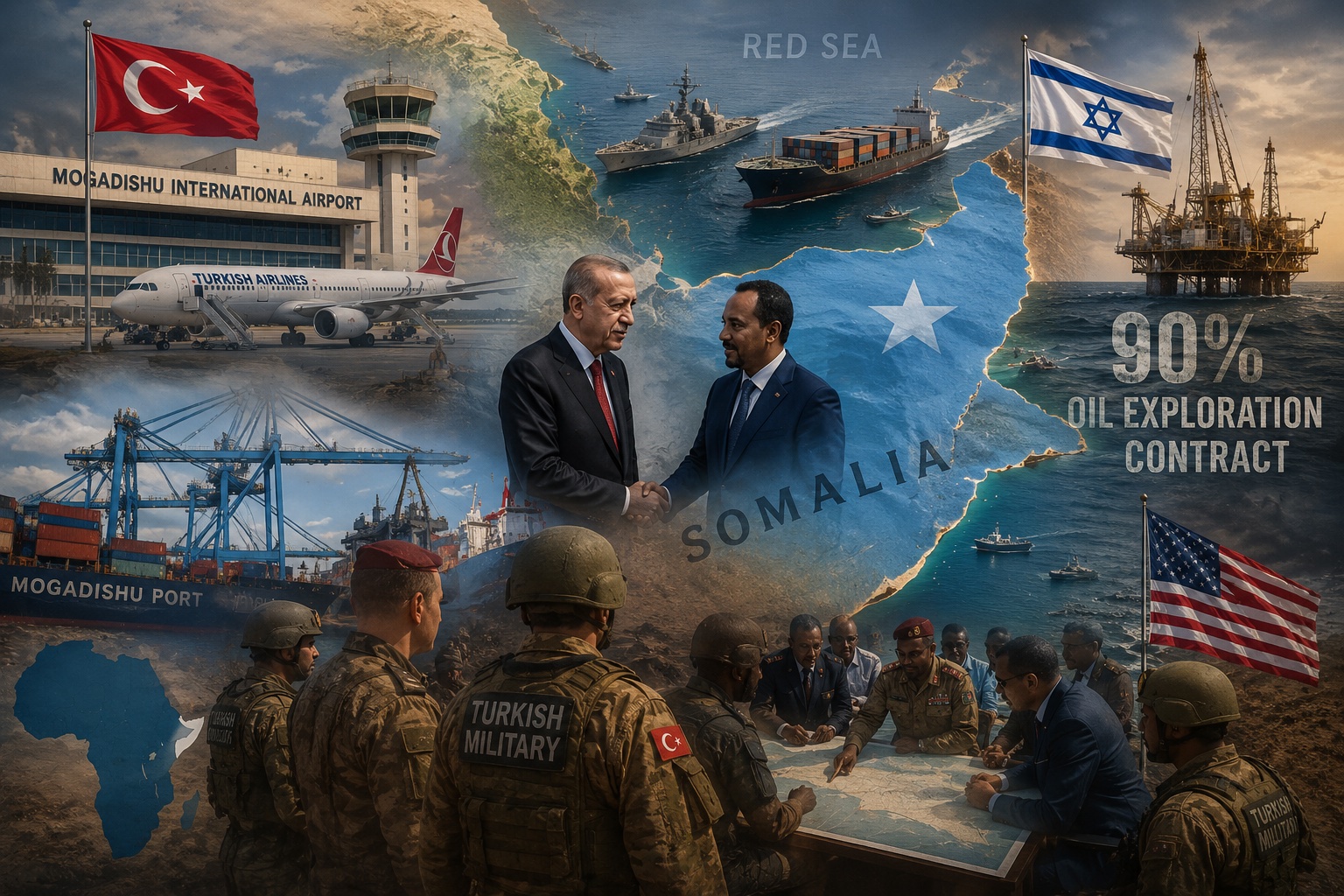
MOGADISHU, Somalia — Turkey's growing political, military, and economic influence in Somalia is increasingly drawing attention across the Horn of Africa and Red Sea region as geopolitical competition intensifies between regional and international powers. Full Article
Somalia is facing a deepening humanitarian and political crisis following widespread forced evictions, deadly security operations, and escalating tensions between the federal government and opposition groups. Full Article
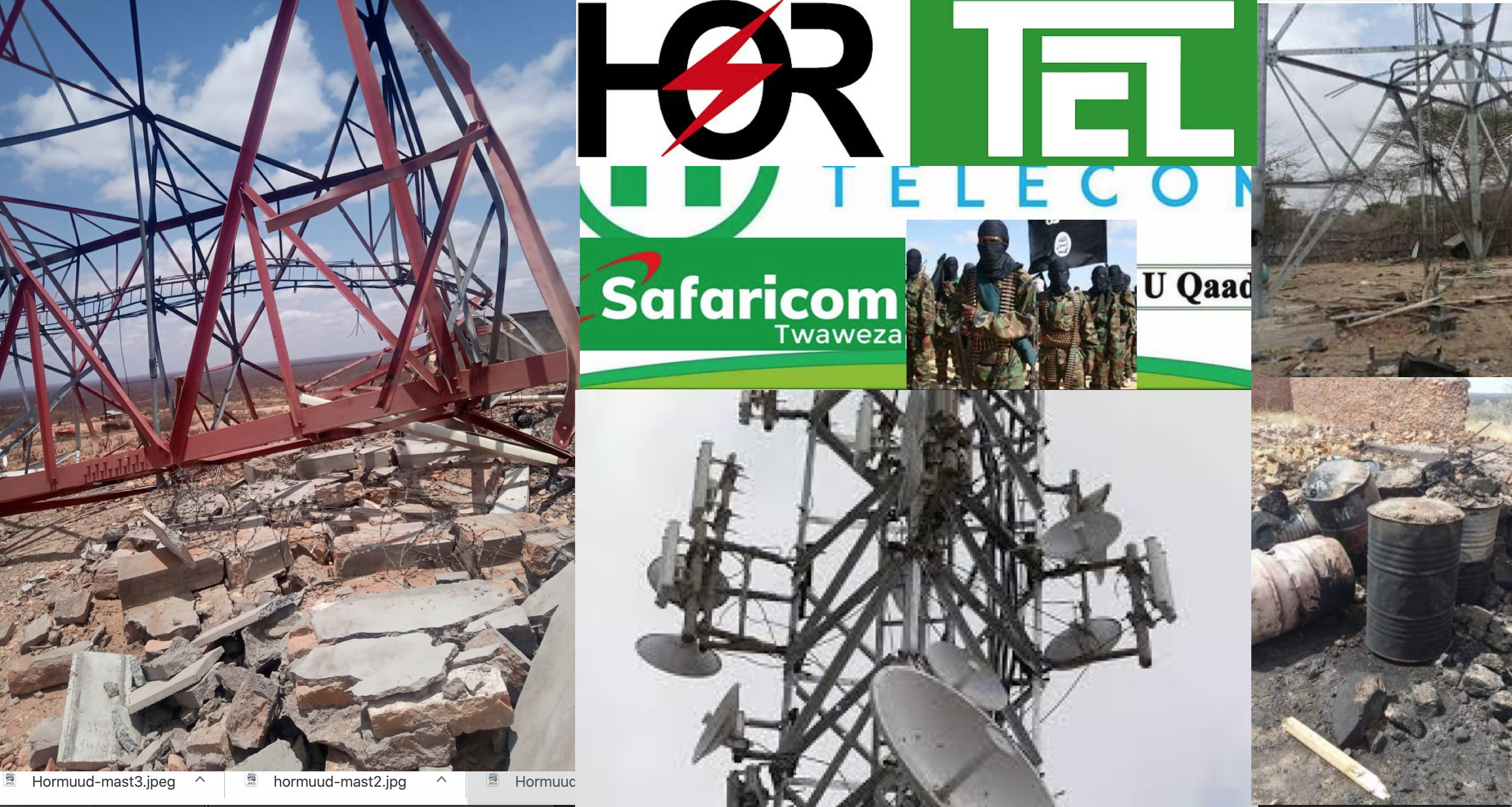
Hormuud's Assault on African Peacekeepers Figure 14: African Peace Keepers Hormuud launched a scorching public campaign against the Kenyan military forces in AMISOM in late August 2019. Full Article
Former Intel official stripped from NISA membership Full Article
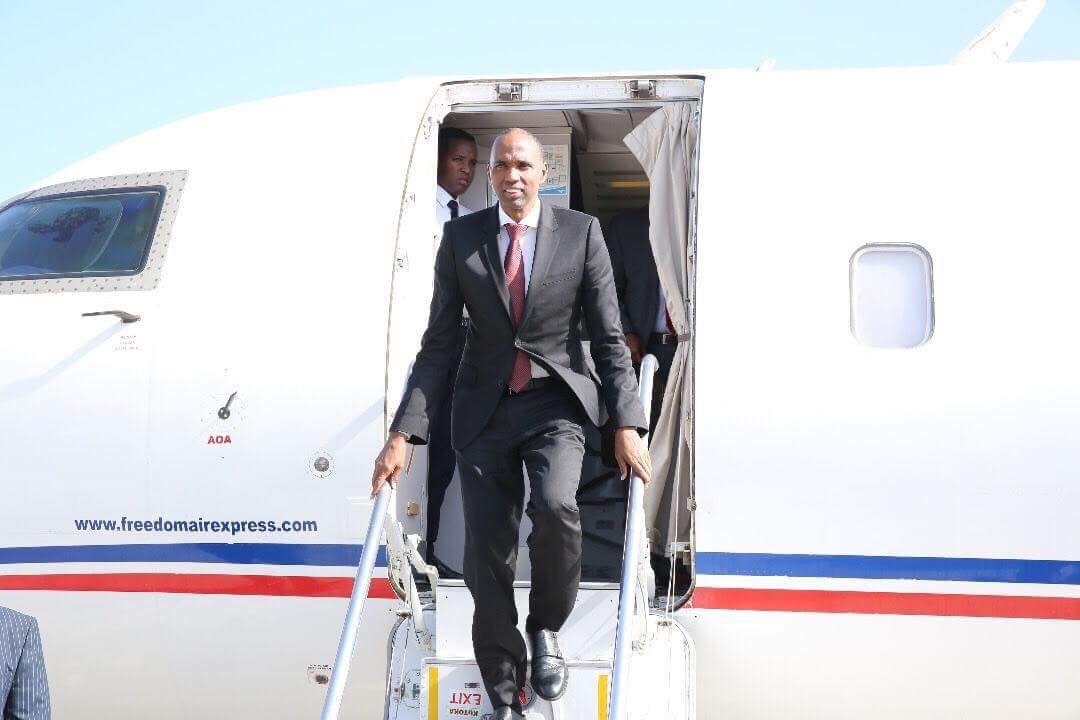
PM KHEYRE USELESS AND COSTY OVERSEAS TRIPS. Full Article
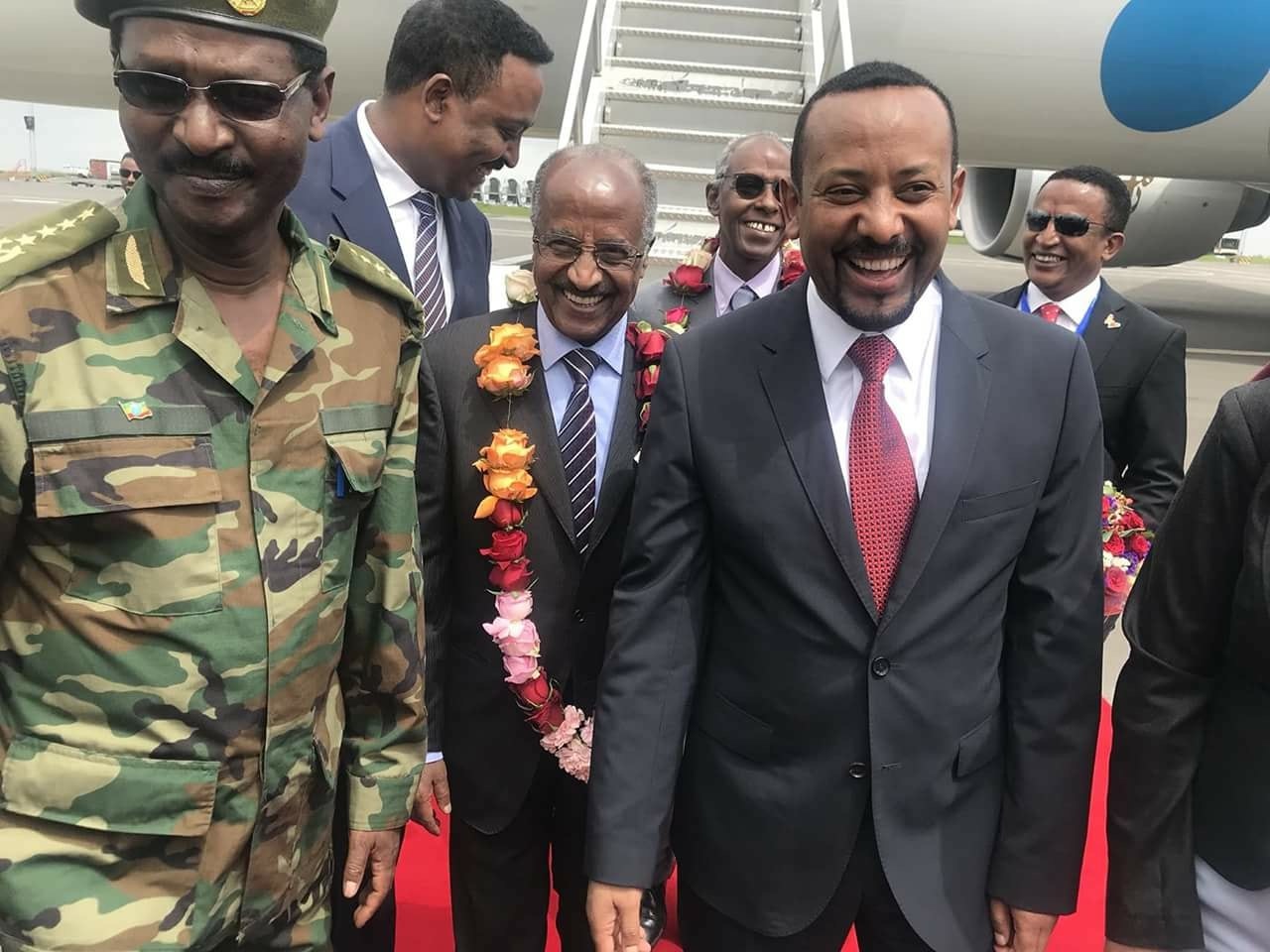
Abiy says 'New Year' will be celebrated in Eritrea, Ethiopian Airlines to resume flights Full Article
Massive rise in Islamist militant attacks in Africa Full Article


Somalia:Will Warlordism End or It Will Grow Stronger? Some Reflections on 2016 Agenda Conference and Participants!
Somalia's current tribal semi-state factions and weak SFG leaders meeting with their Boss Dr. Tedros..